Discovering dark spots creeping up your basement walls triggers immediate concern. You might wonder if simply plugging in a dehumidifier will permanently solve the moisture problem. Can a simple machine really remove this persistent biological threat and stop active mold growth from ruining your home?
The straightforward answer requires a clear understanding of how indoor fungi operate and survive in damp environments. Dehumidifiers play a critical role in home maintenance, but they do not actively kill existing fungal growth. These machines pull excess moisture out of the surrounding air to create an inhospitable environment for microscopic spores.
While reducing ambient humidity stops the spread, true targeted removal strategies require a hands-on approach. At Safer Home Services LLC, our expertise lies in identifying the underlying causes of these below-grade moisture conditions and implementing effective remediation solutions personalized to the property.
How Dehumidifiers Work
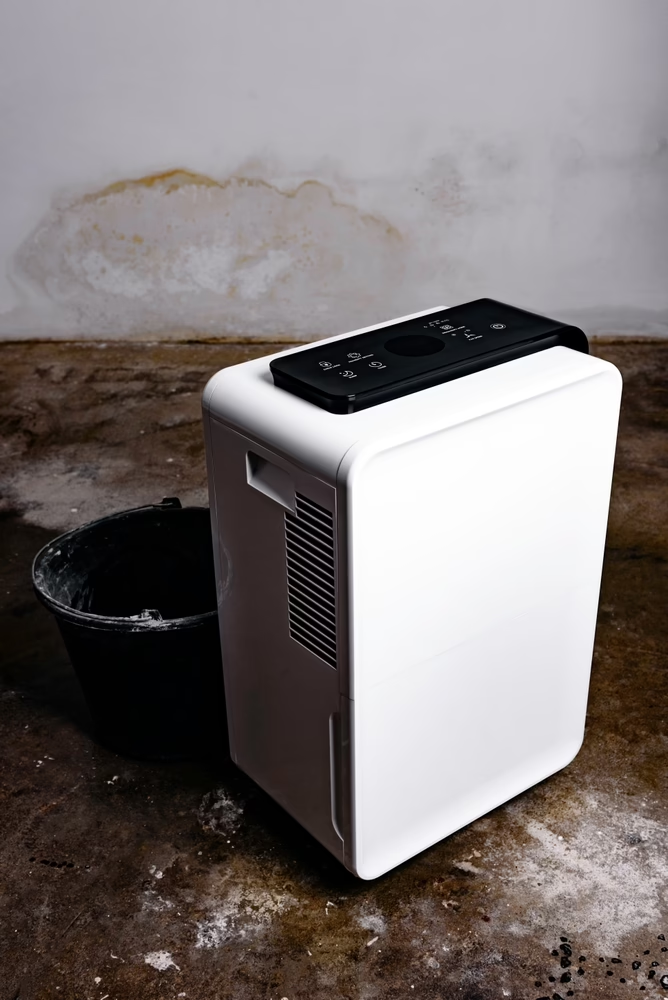
A dehumidifier manages dampness by drawing in humid air, cooling it to condense the water, and blowing out dry air. While this process controls moisture, it does not destroy biological organisms. Mold spores are microscopic and resilient, they simply go dormant when deprived of water.
If you leave dormant spores on the wall, they will reactivate the moment humidity levels rise again. Visible stains on your drywall or concrete foundation will remain until you physically scrub them away.
The Benefits and Limitations of Dehumidification
The Benefit: Running a dehumidifier during cleanup dries scrubbed areas faster, preventing new spores from settling on wet, freshly cleaned surfaces.
The Limitation: Dehumidifiers cannot penetrate porous building materials like wood or drywall to kill deeply embedded fungal roots. You must physically scrub surface stains and completely replace heavily infested materials.
For residents dealing with persistent groundwater intrusion, a standalone appliance isn’t enough. You may need professional intervention like specialized basement waterproofing in Marlton, NJ, or in surrounding locales, to stop moisture at its source before it ever fuels fungal growth.
Moisture Control and Relative Humidity: Why it Matters
Basements are naturally prone to dampness due to their below-grade location and surrounding soil moisture levels. When warm summer air enters a cool basement, condensation forms rapidly on exposed pipes, concrete walls, and floors. This condensation provides the exact water source that microscopic mold spores need to establish active, growing colonies.
Maintaining indoor relative humidity below 50 percent remains the most effective way to permanently stop this biological cycle. Most indoor air quality experts recommend keeping basement humidity resting comfortably between 30 and 50 percent year-round.
Target Humidity Reference Levels
| Environment Condition | Relative Humidity (RH) Level | Risk Level / Action Required |
| Ideal Basement Range | 30%-50% | Low Risk: Inhibits mold spore activation. |
| Cautionary Zone | 51%-59% | Moderate Risk: Monitor closely; introduce dehumidification. |
| High Infestation Danger | 60%+ | High Risk: Active mold growth likely; immediate action needed. |
If your damp basement consistently registers above 60 percent, you are virtually guaranteeing a future fungal infestation. A high-capacity dehumidifier serves as the primary mechanical defense system against this excessive, damaging moisture accumulation.
Basement Mold Removal: How to Actually Get Rid of Infestations
Since appliances alone cannot complete the job, you must follow a highly structured approach to residential mold remediation. Handling biological contaminants requires proper preparation to protect your respiratory system and prevent dangerous cross-contamination. You should always wear an N95 respirator, protective gloves, and safety goggles before disturbing any visible growth.
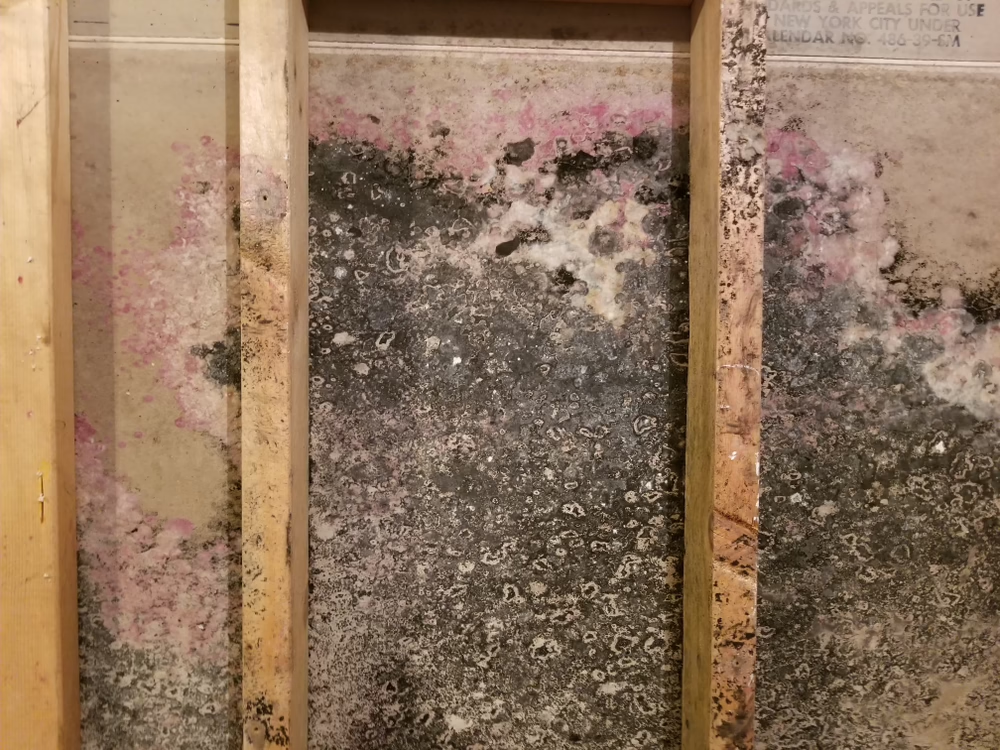
Small patches on hard surfaces like poured concrete or solid wood are generally safe for homeowners to tackle using standard household detergents or commercial antimicrobial sprays. However, porous materials like drywall, ceiling tiles, and carpet padding present a completely different challenge. These materials absorb water deeply, allowing the roots of the fungi to grow far beneath the visible surface. In most residential situations, you must cut out and safely discard these porous materials to stop the infestation permanently.
For advanced or deep-seated infestations, a standard household scrub brush simply won’t cut it. Safer Home Services LLC offers advanced residential remediation services, utilizing commercial-grade equipment and industry-approved antimicrobials to handle the heavy lifting. If you are facing an extensive outbreak, scheduling an expert service for mold removal in Haddon Heights, or surrounding towns, returns your living space to a safe, healthy standard.
How to Clean Minor Basement Outbreaks
Identify and Fix the Water Source: Locate the exact cause of the moisture intrusion, whether it is a leaking plumbing pipe or a foundation crack. Check your exterior gutters and downspouts to confirm water routes safely away from the foundation walls.
Contain the Affected Space: Seal off the basement from the rest of the house using heavy plastic sheeting and heavy-duty painter’s tape. Turn off your HVAC system to prevent microscopic spores from traveling through your ventilation ductwork.
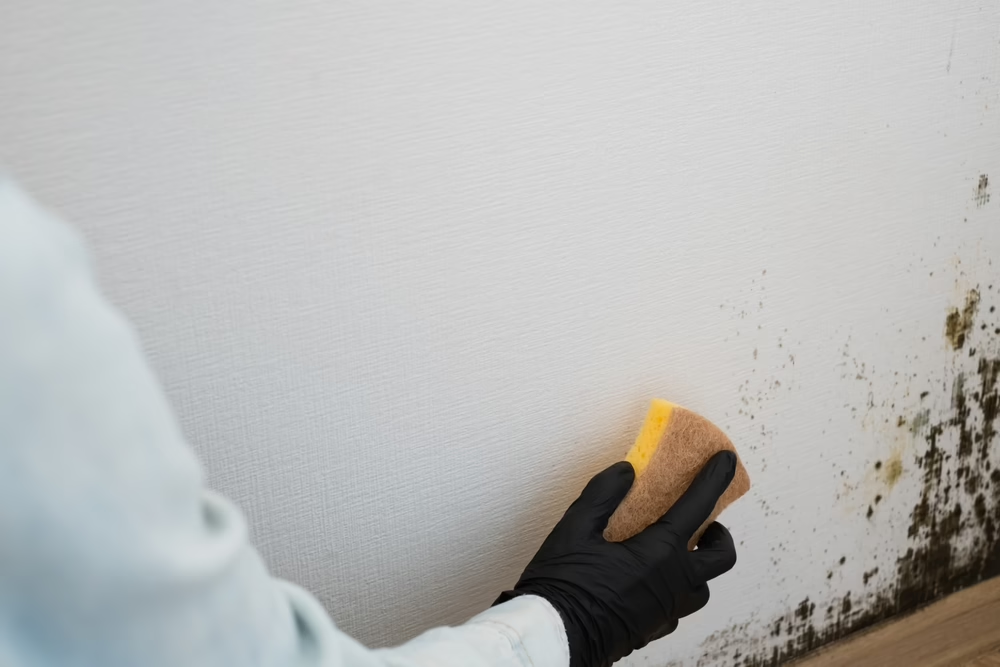
Clean and Dry the Area: Scrub non-porous surfaces with warm water and detergent, then position your dehumidifier to dry the space rapidly.
Equipment Selection: Choosing the Best Dehumidifier
Selecting the correct appliance determines how successfully you can prevent mold in basement areas of your home. Basement models must handle cooler temperatures and much larger volumes of air than standard residential bedroom units. Capacity stands as the absolute most important metric to evaluate when shopping for moisture control equipment.
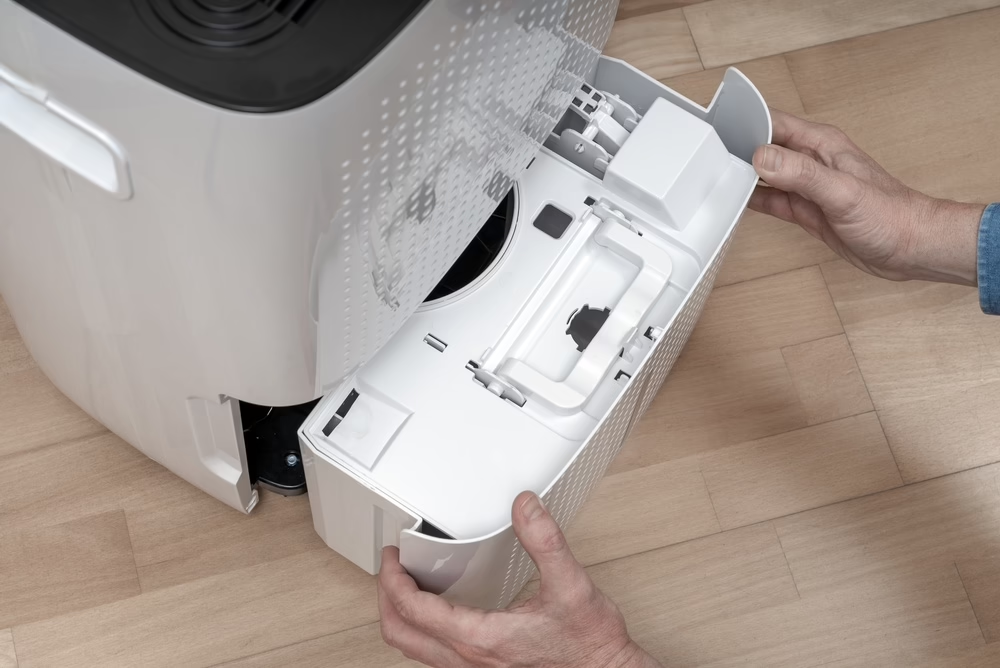
70-Pint Dehumidifiers: If your space smells heavily musty or exhibits visible condensation, upgrading to a 70-pint or commercial-grade unit provides better protection.
50-Pint Dehumidifiers: A standard 50-pint model generally handles moderate dampness in a 2,000-square-foot open basement environment.
Our team at Safer Home Services LLC can guide homeowners through equipment selection and continuous drainage installation, making sure your preventative systems run uninterrupted year-round.
Long-Term Maintenance & Professional Remediation
Eradicating an active infestation requires significant physical effort, making early prevention the smartest strategy for property owners. Walk through your basement monthly with a bright flashlight to carefully check dark corners and hidden storage areas. Keep heavy furniture and cardboard storage boxes pulled a few inches away from the exterior walls to promote airflow.
Exterior home maintenance also directly impacts the interior conditions of your lower levels. Water pooling near your foundation eventually finds its way inside through microscopic cracks in the aging concrete. You should grade the soil around your house so that it slopes safely away from the foundation walls, and keep gutters completely clear.
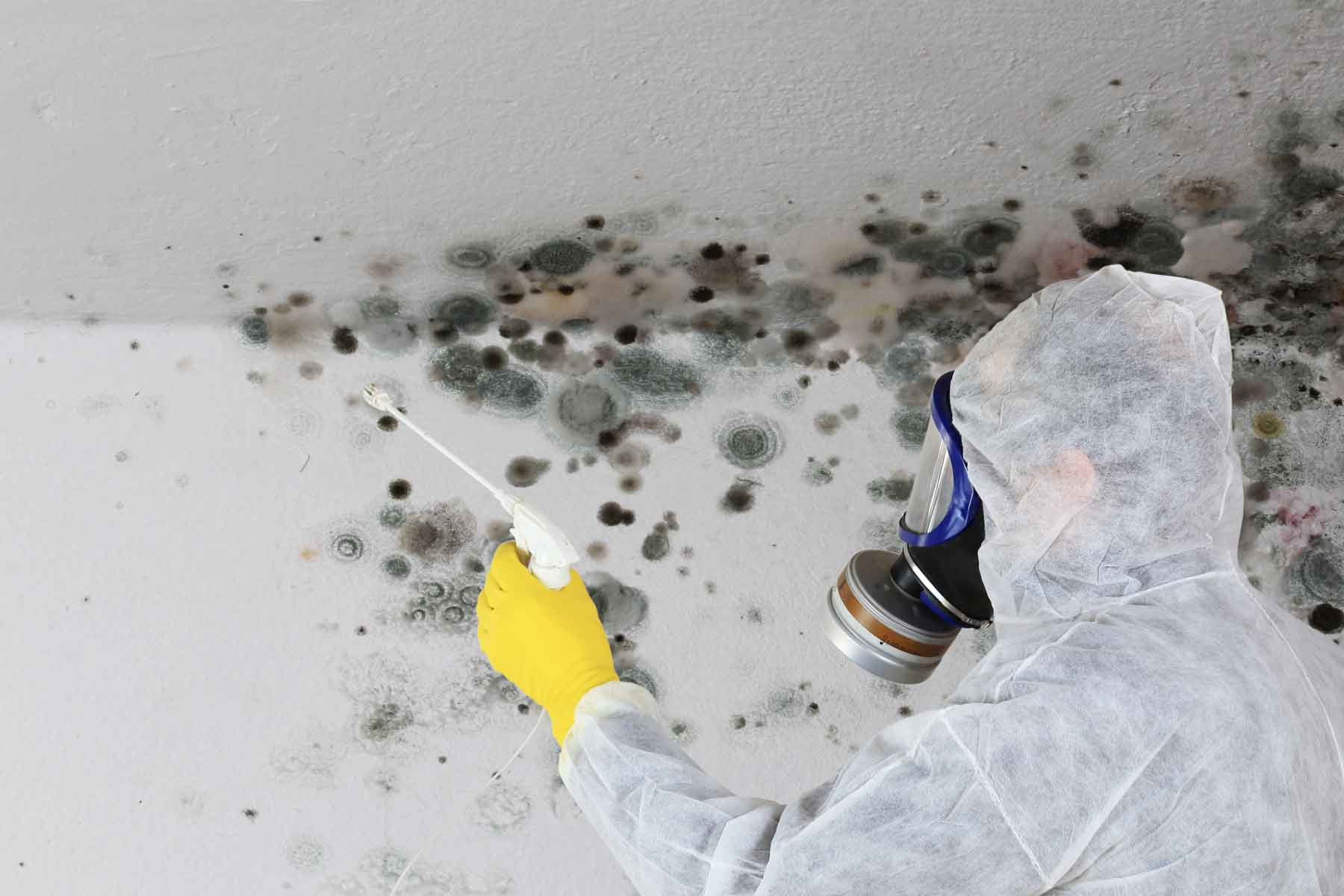
While DIY cleanup works perfectly for minor issues, certain situations demand immediate professional intervention. The standard industry guideline suggests calling qualified experts if the contaminated area visibly exceeds ten square feet. Professionals utilize commercial-grade negative air machines and heavy-duty protective gear to safely manage fungal outbreaks without risking cross-contamination.
Combining Prevention with Expert Solutions
A dehumidifier serves as a valuable tool for managing basement moisture, but it cannot perform miracles. It will not erase the dark patches creeping across your drywall or concrete foundation walls. You must put in the physical labor to scrub away the visible growth and remove severely ruined materials.
The true value of the appliance lies entirely in its ability to prevent mold in basement environments from ever returning. By keeping your indoor humidity consistently below 50 percent, you create a hostile environment for microscopic spores. Combining mechanical moisture control with regular visual inspections provides the strongest defense against subterranean fungal infestations. Our mold removal services in Voorhees, NJ include inspection, containment, removal, and treatment of affected areas.
At Safer Home Services LLC, we combine years of field expertise with state-of-the-art moisture diagnostic tools to permanently solve your basement moisture problems. Ready to reclaim your basement from dampness and mold? Contact Safer Home Services LLC today to schedule an assessment and protect your home’s air quality!
Jack Lyons
Co-owner of Safer Home Services LLC


