Water mitigation is the emergency phase of water damage response: stopping the spread, pulling out standing water, and drying the structure back to normal moisture levels before mold and rot take hold. It is measured work, not guesswork, and a qualified crew can prove with moisture meter readings that your home is dry. At Safer Home Services LLC, we review our moisture readings with homeowners throughout the drying process so they understand the conditions behind the drywall and how the affected areas are progressing.
Mitigation vs. Restoration: Two Different Jobs
People use these terms interchangeably, but they describe separate stages. Mitigation limits the damage and dries the affected spaces. Restoration rebuilds what had to be removed, like drywall, trim, flooring, or cabinetry.
The order matters because rebuilding over damp framing traps moisture inside a wall cavity. That’s exactly where hidden mold colonies start, often three to six weeks before anyone smells them. Concealed moisture can create an environment where mold growth develops unnoticed and may remain hidden until odors or other signs become apparent. Replacing drywall before the framing and wall cavity have been properly dried and verified with documented moisture readings can seal that moisture inside the structure, increasing the risk of mold growth, material deterioration, and more extensive repairs later.
Why the First 24 to 48 Hours Decide Everything
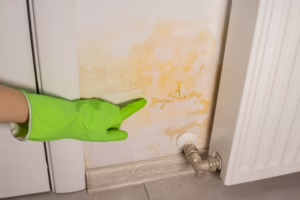
Water migrates fast. Within minutes it wicks up drywall and seeps into subfloor seams; within an hour or two, it has traveled under baseboards into adjacent rooms. Porous materials that are still salvageable at hour six may be unsalvageable at hour seventy-two. The longer water is allowed to remain, the greater the extent of the damage, the more difficult the drying process becomes, and the more materials may need to be removed and replaced, increasing both the scope of the water mitigation and the cost of the restoration.
Mold growth can begin on damp organic materials within 24 to 48 hours, which is why Safer Home Services LLC provides 24/7 emergency water damage response. The longer moisture remains, the farther it can spread, increasing the likelihood that materials that could have been dried and saved will instead need to be removed and replaced.
Step One: Inspection, Category, and Class
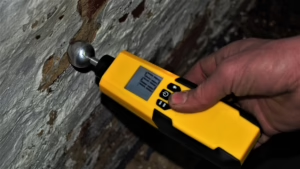
Before a single fan is placed, a technician maps the water. They use moisture meters on drywall and framing, thermal imaging cameras to see temperature differences behind surfaces, and hygrometers to read the ambient humidity in each affected room.
Two classifications drive the entire plan:
- Category describes contamination. Category 1 is clean water from a supply line, Category 2 is greywater from an appliance or washing machine discharge, and Category 3 is grossly contaminated water from sewage or flooding.
- Class describes how much material is wet and how fast it will release moisture. Class 1 involves minimal absorption; Class 4 involves deeply saturated low-evaporation materials like hardwood, plaster, and concrete.
Category 3 losses require containment, protective equipment and removal of most porous materials rather than drying in place.
Step Two: Extraction and Controlled Demolition
Removing standing and absorbed water is one of the fastest ways to reduce the moisture load in a structure. Professional extraction equipment removes significantly more water than evaporation alone, while specialized weighted extraction tools can be used on carpet and padding to draw moisture from deep within the fibers.
Once extraction is complete, the next step is determining which materials can be dried and preserved and which should be removed. At Safer Home Services LLC, we make every reasonable effort to accommodate a homeowner’s request to salvage materials whenever conditions allow. Some materials, such as saturated insulation, generally cannot be effectively dried in place and may need to be removed. Depending on the extent and location of the moisture, drywall may be cut to a controlled height, and small openings may be made behind baseboards to allow drying air to reach concealed wall cavities.
It is understandable for homeowners to have concerns about removing building materials. Our technicians explain why removal may be necessary and use moisture readings to support those decisions. Before demolition begins, Safer Home Services LLC documents affected materials and moisture readings with photographs so homeowners can understand the condition of the area and the reason for the recommended work.
Step Three: Structural Drying With Professional, Industrial-Grade Equipment
Drying is a balance of airflow, dehumidification, and temperature. Removing one leg of that triangle stalls the whole process, which is why household box fans and open windows rarely work on anything beyond a small spill. Professional structural drying relies on specialized equipment, each serving a specific purpose:
- Air movers push high-velocity air across wet surfaces to break the thin saturated boundary layer and speed evaporation. Placement is calculated by square footage, often one unit per 50 to 60 square feet of affected floor.
- Low-grain refrigerant (LGR) dehumidifiers pull the evaporated moisture out of the air, typically removing several gallons per day per unit depending on conditions.
- Desiccant dehumidifiers handle cold or low-humidity environments and deeply saturated Class 4 materials where refrigerant units lose efficiency.
- Air scrubbers with HEPA filtration capture airborne particulate and mold spores, especially on contaminated losses.
- Injection drying systems and drying mats force air into wall cavities, under hardwood, or beneath cabinet toe kicks without tearing them out.
Equipment usually runs continuously for three to five days on typical residential losses. Hardwood floors and plaster walls can stretch that to a week or more.
Step Four: Daily Monitoring and Drying Goals
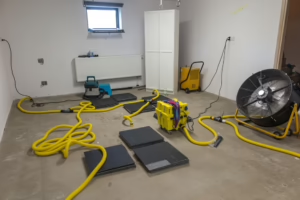
This is what distinguishes professional structural drying and water mitigation from simply placing fans in the affected area. A technician sets a drying goal based on unaffected materials of the same type elsewhere in the house, then returns daily to record moisture readings and monitor the drying process.
Each visit should produce documentation: moisture content percentages by location, temperature, relative humidity, and grains per pound (GPP) of moisture in the air within the drying area. These readings allow the technician to track the drying progress over time. If moisture levels are not decreasing as expected, the drying plan can be adjusted by adding or repositioning equipment, modifying temperature or airflow, or opening an additional cavity to reach concealed moisture.
Drying is considered complete when affected materials match the dry standard, not when the surface feels dry to the touch. Wood framing typically needs to reach approximately12 to 16 percent moisture content depending on the regional baseline, and drywall should read close to the untouched sections of the same wall.
How to Evaluate a Mitigation Company
When choosing a water mitigation company, you are hiring its expertise, procedures, and approach to properly drying and restoring your property, not simply its equipment. These are the things worth asking about before work begins:
- Does the company have an IICRC certification? The Institute of Inspection, Cleaning and Restoration Certification publishes the S500 Standard for Professional Water Damage Restoration, which is the industry reference for categories, classes, and drying protocols.
- What is the company’s response time? Will they be on-site within a few hours, or are they available twenty-four hours a day? This is the expectation for emergency losses.
- Insurance experience. Adjusters want photos, sketches, equipment logs, and moisture data in a standard format – will the company provide this?
- Will you receive a clear scope of work on demolition? The company should explain what is being removed and why, before it happens.
Homeowners researching water mitigation in Cherry Hill, NJ often compare several providers before making a decision. When evaluating providers, it is more useful to ask how they document moisture readings, drying progress, and affected materials than to rely solely on what is promised during the initial phone call.
What You Can Do Before the Crew Arrives
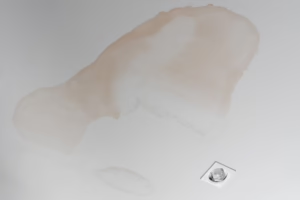
Safety comes first, so shut off the water source if you can reach the valve safely, and kill power to the affected areas at the breaker if water is near outlets or fixtures. Avoid walking through standing water of unknown origin.
If it is safe, lift furniture legs onto foil or blocks, move electronics and documents to a dry room, and photograph everything before anything is touched. Those photos become part of your insurance claim file, if applicable
Property managers coordinating multiple units frequently ask about response protocols for water mitigation in Haddon Township, since a single riser failure can affect several tenants at once. Having a plan on file shortens the response window considerably. Safer Home Services LLC can work with property managers to establish response procedures in advance, helping ensure that water is addressed quickly and affected units are evaluated and documented as soon as possible.
Talk to Safer Home Services LLC About Your Water Damage
If you are dealing with an active leak or want to verify that a previous drying project was completed properly, the certified technicians at Safer Home Services LLC can inspect the affected areas, document moisture conditions, and provide the readings used to evaluate drying progress. Contact us today to schedule emergency water mitigation services or a moisture inspection.


