Discovering mold, structural pests, or environmental hazards in your home can feel incredibly overwhelming. Your home should be your sanctuary, so when its safety is compromised, it is completely normal to feel stressed out and anxious to get it sorted as quickly as possible.
If you are facing a property issue that requires remediation, you are likely looking for answers on how to return your living space to a safe, healthy state.
To help ease that anxiety and give you back a sense of control, we are breaking down exactly what happens during professional mold remediation in Haddon Heights, and the surrounding areas. Knowing what to expect, from the initial inspection to the final clearance testing, can help you prepare your family, protect your investment, and make sure the job gets done right the first time.
What Exactly is Remediation?
Before diving into the steps, it is helpful to clarify what remediation actually means. Homeowners often use the terms “removal” and “remediation” interchangeably, but there is a distinct difference between the two concepts.
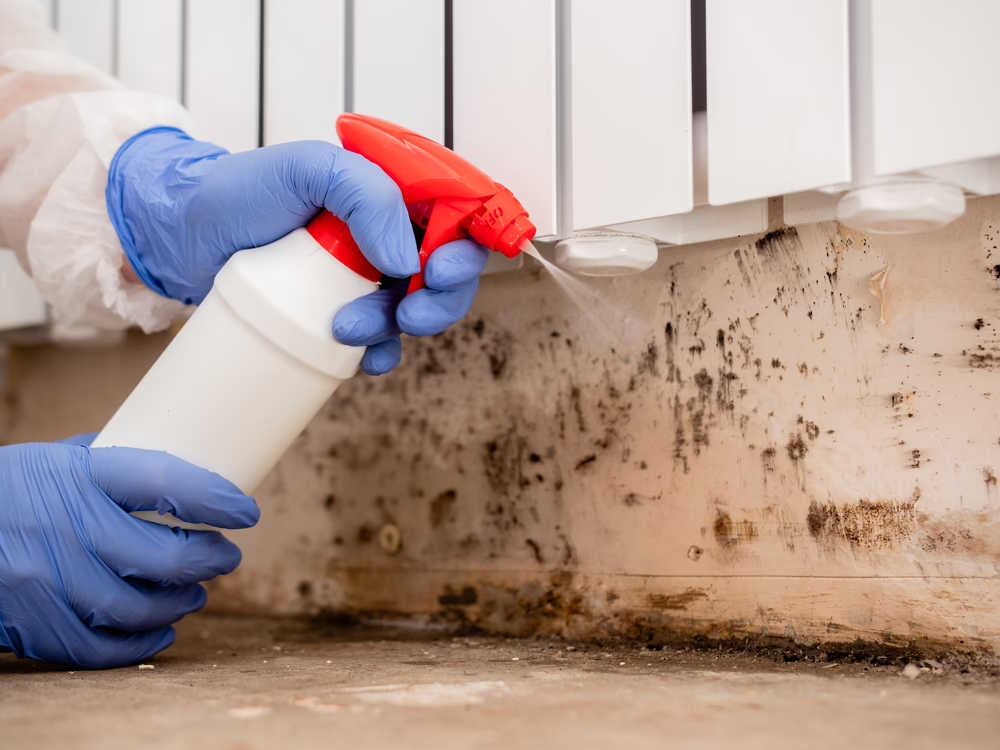
Removal: This is simply the act of physically getting rid of the offending substance, whether that is tearing out moldy drywall or treating an area for pests.
Remediation: This is a holistic, multi-step strategy. It includes the physical removal of the hazard, but it goes a step further by identifying the root cause of the environmental problem, containing the damage, and treating the surrounding environment to make sure the issue does not return.
In short, removal fixes the symptom, while remediation fixes the problem. Because every home and hazard is unique, a cookie-cutter approach won’t work. True professional remediation is a highly systematic process that relies heavily on science, specialized equipment, and strict safety protocols to safeguard your household’s long-term health.
Step 1: The Initial Assessment and Inspection
The process always begins with an in-depth assessment. You cannot effectively treat a problem if you don’t know exactly how far it has spread or what is causing it.
When a professional team arrives at your property, they won’t just glance at the visible damage and give you a quote. They will conduct a meticulous, top-to-bottom inspection of the affected zones and neighboring areas.
Advanced Diagnostic Tools
Pros don’t rely on guesswork. During the inspection phase, they typically utilize specialized technology to map out the hidden boundaries of the issue:
- Thermal Imaging Cameras: Infrared technology allows technicians to look “through” walls to detect temperature anomalies. This helps locate hidden moisture pockets or structural gaps where pests and mold thrive without ripping down your drywall first.
- Moisture Meters: These devices measure the exact moisture content of building materials like wood, plaster, and concrete. Finding the moisture source is essential, as excess humidity is almost always the driving force behind microbial growth.
- Environmental Sampling: If necessary, air or surface samples will be taken and sent to a third-party laboratory to identify the specific type of contaminant present.
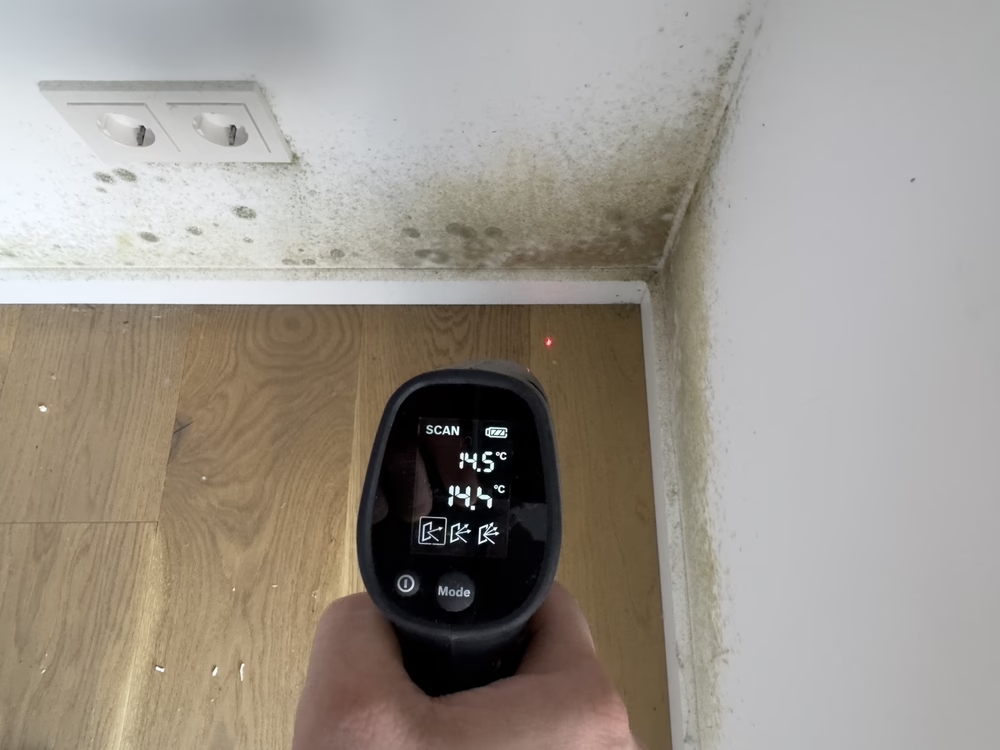
Moisture Meters: These specialized meters measure the moisture content of building materials like drywall, plaster, wood, and concrete. They help technicians pinpoint exactly where water has traveled, even if the surface looks completely dry to the naked eye.
Thermal Imaging (Infrared Cameras): Infrared technology detects temperature differentials within walls and ceilings. Because wet materials are typically cooler than dry materials due to evaporative cooling, thermal imaging allows inspectors to locate hidden leaks and internal moisture pockets without immediately tearing down walls.
Once the assessment is complete, the team will present you with a detailed plan for mold remediation in Marlton, NJ, or other surrounding locales. This document outlines the scope of the work, the estimated timeline, the specific methods they will use, and an honest breakdown of the costs.
Step 2: Source Identification and Correction
Here is where many DIY attempts fail: skipping right to the cleanup without fixing what caused the issue in the first place. If you scrub away mold but leave a leaky pipe behind the wall, that mold will simply return within 48 to 72 hours.
True professionals prioritize source correction. Before they begin tearing out contaminated materials, they will make sure the root cause is addressed. This might involve:
- Shutting off water lines and repairing plumbing leaks.
- Sealing structural gaps, cracks, or entry points in your foundation or crawlspace.
- Recommending improvements to your home’s ventilation or humidity control systems.
By neutralizing the underlying cause first, the team makes sure that once your home is clean, it stays clean.
Step 3: Containment and Isolation
Once the action plan is set, the actual physical work begins, but not before the technicians seal off an area around the workspace, known as containment. Containment is arguably the most critical safety phase of the entire process.
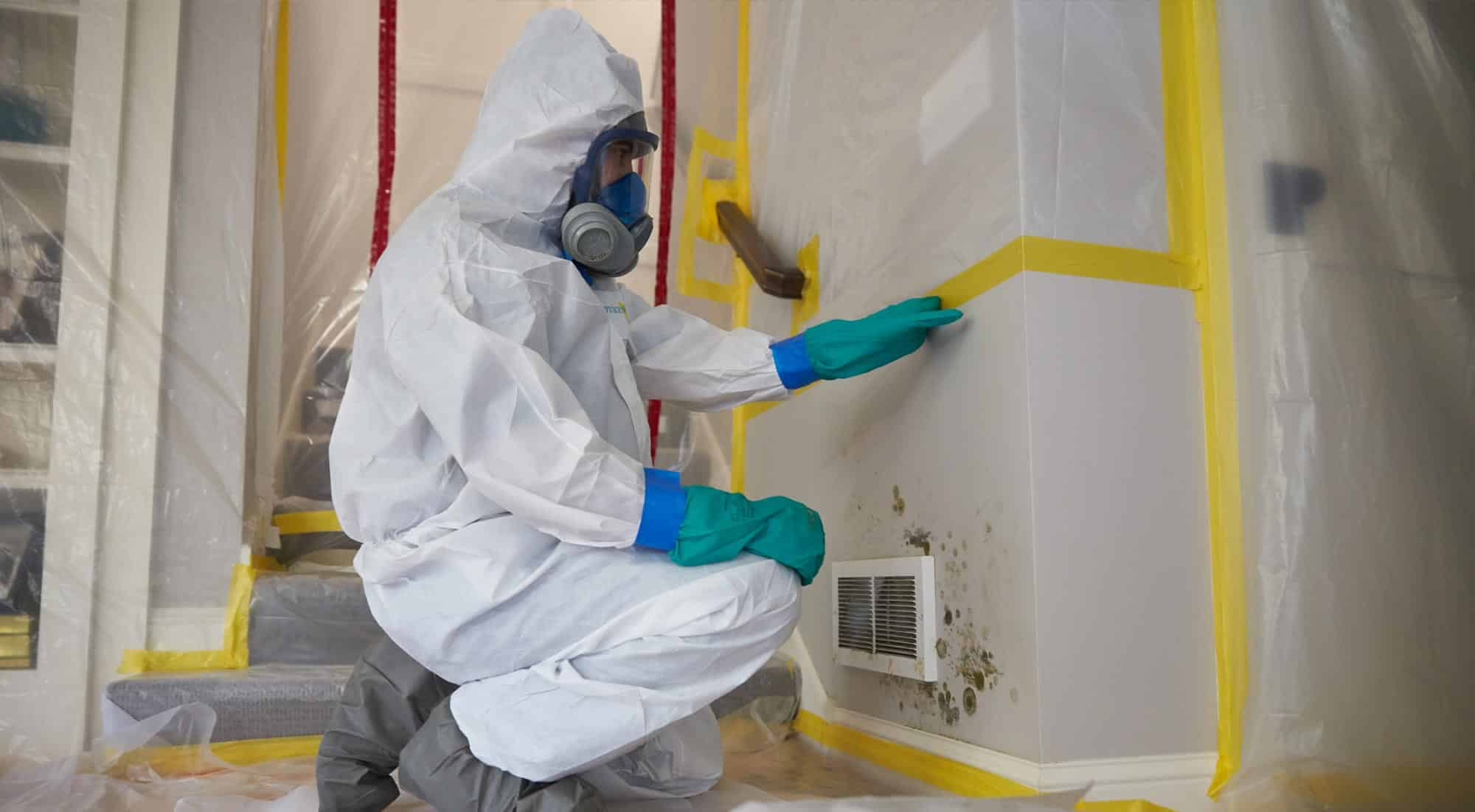
When you disturb mold spores, structural rot, or micro-contaminants, they easily become airborne. Without proper containment, your home’s central HVAC system can suck up these particles and distribute them into completely unaffected rooms, turning a localized issue into a house-wide disaster.
To prevent cross-contamination, professionals implement a series of strict physical and mechanical barriers:
Heavy-Duty Polyethylene Sheeting
Technicians will use thick, durable plastic sheeting to seal off all doorways, windows, vents, and any openings connecting the work zone to the rest of your house.
Negative Air Pressure
This is where specialized machinery comes into play. Pros will set up Negative Air Machines equipped with HEPA (High-Efficiency Particulate Air) filters. These machines continuously pull air out of the contained workspace and vent it safely outside the home. Because the air pressure inside the work zone is lower than the rest of the house, clean air can leak into the work area, but contaminated air can never escape out into your living space.
Step 4: Air Filtration and Environmental Stabilization
Even with containment zones established, the air within that zone needs to be scrubbed continuously. Technicians deploy industrial-strength HEPA Air Scrubbers to capture microscopic airborne particles, spores, and dust.
If moisture is a driving factor in your home’s issue, the team will also place high-capacity, commercial dehumidifiers and heavy-duty air movers in the space. The goal here is to quickly bring the relative humidity of the environment down to a stable level (typically below 50%), which instantly stalls the growth of organic hazards and makes the environment inhospitable to pests.
Step 5: Material Removal and Deep Cleaning
With the containment secure, the source corrected, and the air scrubbers running, the team can safely begin the heavy lifting: physical removal and sanitization.
Controlled Demolition of Unsalvageable Materials
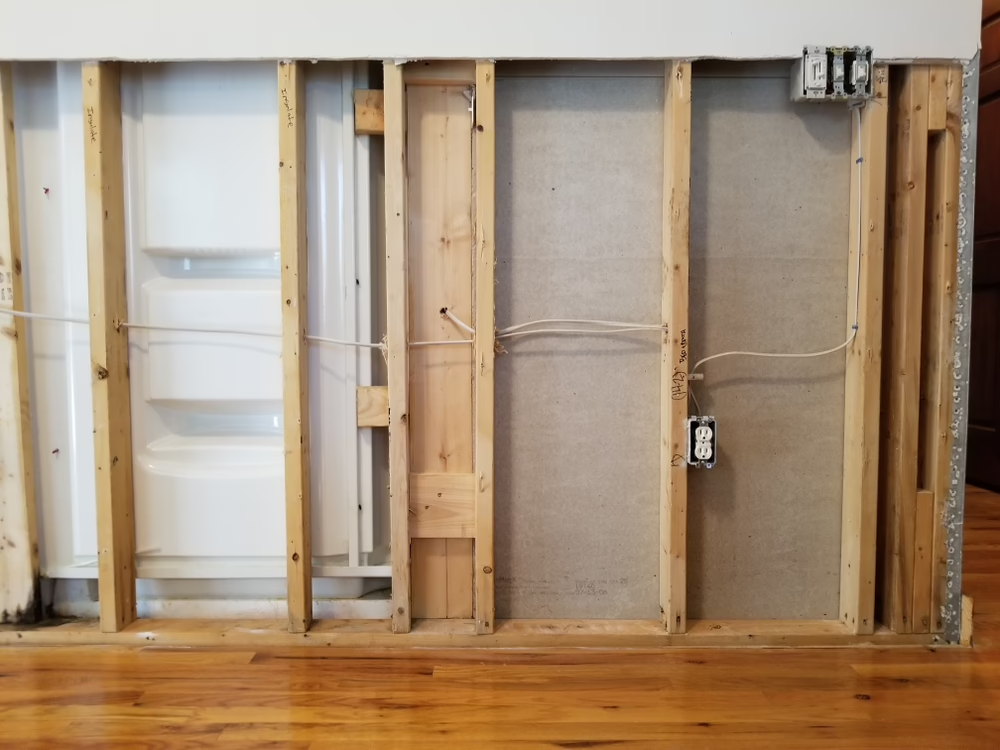
Some materials are porous, meaning they act like a sponge. When items like drywall, insulation, carpeting, or ceiling tiles are deeply compromised by water, rot, or mold, they usually cannot be saved. Technicians will carefully cut away and remove these materials. To guarantee safety, all contaminated debris is double-bagged in heavy-duty waste sacks and wiped down before it ever leaves the containment zone to prevent tracking hazards through your home.
Treatment of Semi-Porous and Non-Porous Surfaces
Structural elements like solid wood framing studs, concrete blocks, and metal cannot easily be torn out of your home. Fortunately, they don’t always need to be. For these surfaces, professionals use a combination of physical agitation and specialized treatments:
HEPA Vacuuming: Once surfaces are treated and dried, a final round of vacuuming with specialized HEPA equipment removes any settled particles.
Media Blasting or Wire Brushing: Technicians may sand or blast structural wood to remove deep-seated surface contaminants.
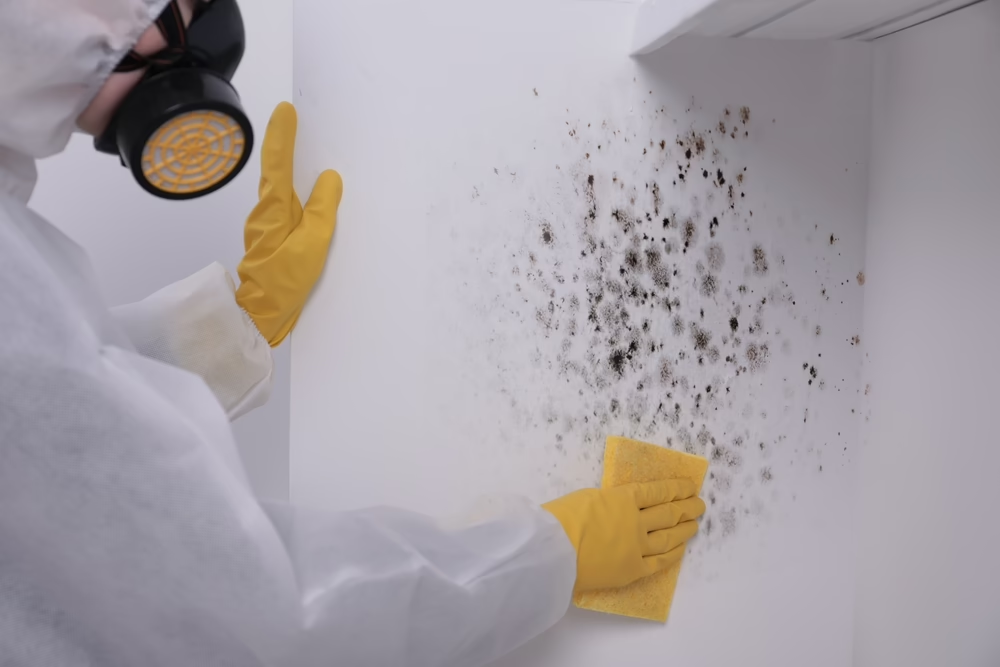
EPA-Registered Antimicrobials and Disinfectants: The entire area is treated with professional-grade, eco-friendly sanitizers that kill residual contaminants on contact and leave a protective barrier to discourage future growth.
Step 6: Post-Remediation Verification and Clearance
How do you know when a remediation job is truly finished? You don’t have to rely on a visual “looks good to me” promise. A reputable professional service always relies on objective verification.
Before the containment barriers are dismantled and your home is handed back to you, a post-remediation verification process is conducted. This often includes:
- Visual Inspections: Making sure no visible trace of the hazard remains, and all materials are completely dry.
- Moisture Testing: Re-checking building materials with moisture meters to guarantee they have reached their normal “dry standard.”
- Post-Clearance Testing: In some cases, air or surface samples are collected one final time. To maintain complete transparency and avoid any conflict of interest, these samples are frequently evaluated by an independent, third-party laboratory to verify that the indoor environment has officially returned to a normal, healthy baseline.
Once the clearance tests pass, the containment structures are carefully taken down, the equipment is packed up, and your home is officially certified as safe.
What to Do While the Pros Are At Work
Now that you know what the technicians are doing, you might be wondering what your role is during this process. While the pros handle the technical work, there are a few simple steps you can take to make the project run smoothly:
Keep Communication Open: Don’t hesitate to ask questions. A great remediation team will gladly keep you updated on their daily progress and explain any unexpected findings as they work.
Clear the Path: Move furniture, valuables, and personal items away from the affected area and the main path of entry to give the crew plenty of room to move their heavy equipment.
Plan for Pets and Kids: The noise from commercial air scrubbers and dehumidifiers can be loud and disruptive. Consider keeping children and pets in a distant part of the home, or arrange for them to stay with family or at a daycare during the heaviest phases of demolition and cleanup.
Protect Your Investment with Safer Home Services LLC
Your home is likely your largest financial asset, but more importantly, it is the place where your family should feel their safest.
If you suspect your home has an issue that requires professional intervention, don’t wait for the damage to escalate. At Safer Home Services LLC, our highly trained professionals use industry-leading diagnostic tools, strict containment protocols, and scientifically proven methods to restore your property quickly, safely, and completely. We don’t just clear away the visible signs of trouble; we identify the root cause to keep your home a healthy, secure environment for years to come.
Ready to restore your peace of mind? Contact Safer Home Services LLC today to schedule a professional inspection and take the first definitive step toward a safer, healthier home.
Jack Lyons
Co-owner of Safer Home Services LLC