
Unexpected summer storms can bring flash floods, torrential rain, and strong winds that overwhelm drainage systems and put your home’s defenses to the test. Even though these kinds of events can be severe, you can take precautions right now to safeguard your house and lessen the possibility of water seeping into unintended places. Storm season preparation is important for protecting your property, investment, and peace of mind, not just for comfort.
We’ll look at doable tactics in this guide to keep water out, safeguard susceptible areas, and keep your house resilient throughout the erratic summer storm season.
Understanding How Summer Storms Lead to Water Intrusion
There is a significant chance that water will enter your home during summer storms due to a number of factors. When a lot of rain falls in a short amount of time, it overwhelms storm drains and causes runoff to collect in low areas, leading to flash floods.
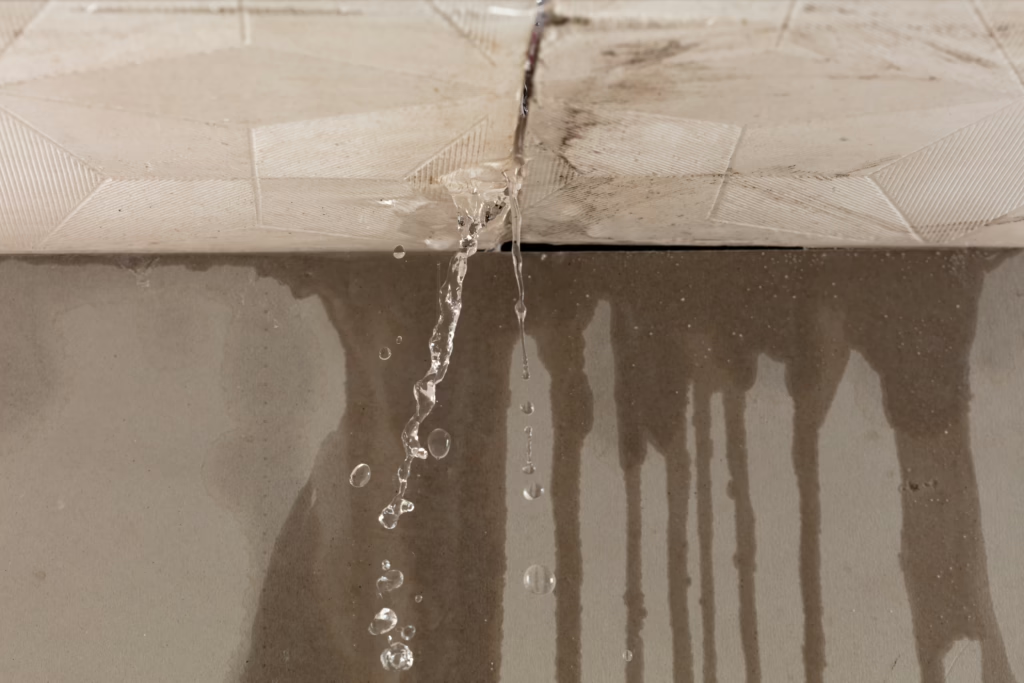
During summer storms, the following are typical reasons for unexpected water intrusion:
- Drainage systems that are overburdened and unable to handle the intensity of rainfall.
- Water is redirected toward your foundation by clogged gutters and downspouts.
- Rainwater flows toward the house instead of away due to poor grading.
- Strong winds that push rain under shingles, into siding gaps, and into vents.
- Saturated soil that increases runoff toward structures by blocking further absorption.
Water is pushed toward doors, windows, and roof edges by wind direction in addition to rain volume. Further, rising water levels may pose additional risks to homes near rivers, lakes, or the coast.
Advice: During storm season, a flash flood warning indicates that there is a risk of an unexpected water buildup that could endanger your house in a matter of minutes.
Inspecting Your Home’s Exterior Before Storm Season
One of the most crucial things you can do before the storm season starts is to do a thorough exterior inspection. Finding and fixing vulnerabilities before they are put to the test by strong winds and rain is the aim. Start with these key areas:
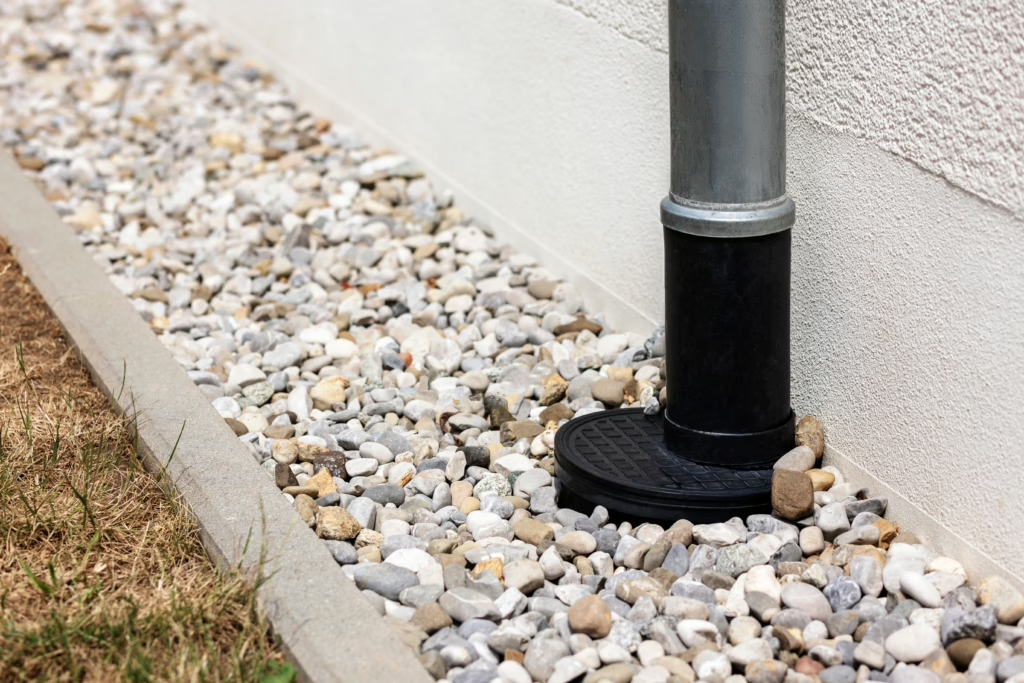
- The Roof: Check for gaps around vents and chimneys, loose shingles, or broken flashing.
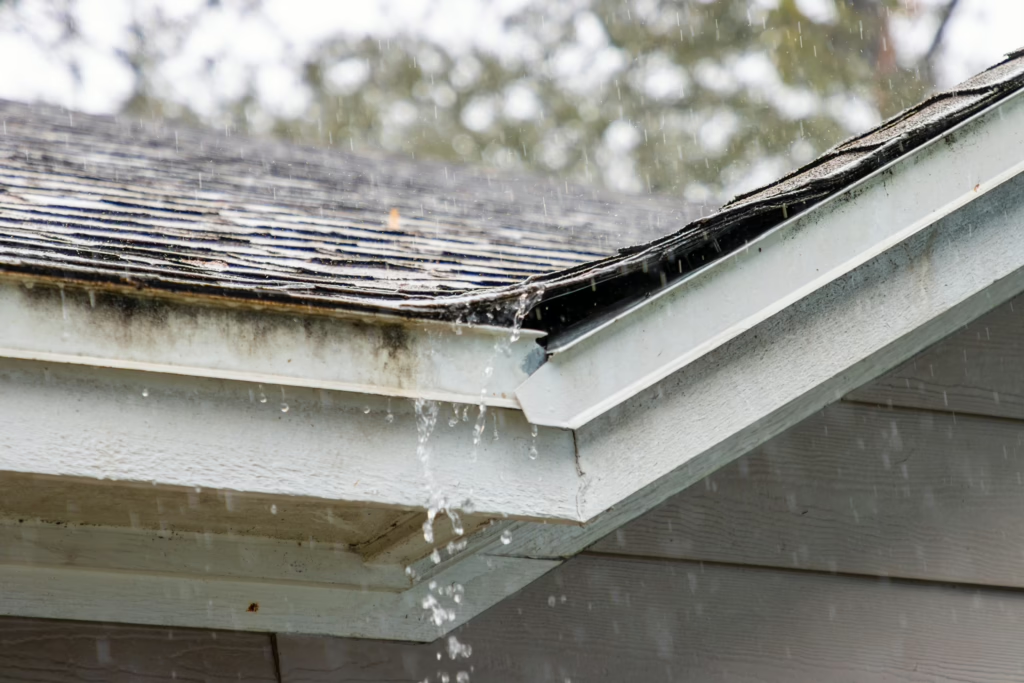
- Gutters and Downspouts: Make sure the water flows freely, remove any debris, and look for any sagging areas.
- Siding and Exterior Walls: Cover any holes, cracks, or gaps that could allow rain from the wind to enter.
- Windows and Doors: Check the locking systems, weatherstripping, and caulking.
- Foundation: Look for any low areas or cracks close to walls where water might collect.
Why it Matters: When a summer storm strikes, minor flaws and openings can swiftly become significant entry points. In a single storm, hundreds of gallons of rainwater can flow toward the foundation of your house due to even a slightly misaligned downspout.
Additional proactive measures:
- To transport water several feet from your house, install downspout extensions.
- Cut back any overhanging branches that might harm the gutters or roof in strong winds.
- Verify that your sump pump, if you have one, is turned on and linked to a dependable power source.
By lowering your home’s vulnerability to unexpected water intrusion, routine inspections give you the best opportunity to make repairs before the season’s first major storm.
Strengthening Your Roof and Gutter System
When it rains a lot, your roof is your home’s first line of defense, and the main mechanism that safely channels that water away is your gutter system. Summer storms can swiftly overtake your house if either is compromised.
Roof Preparation Tips:
- Replace or repair damaged shingles as soon as possible.
- Seal the flashing around skylights, vents, and chimneys.
- Look for any sagging areas that might be a sign of structural weakness or trapped moisture.
- To address hidden problems, think about hiring a professional inspector prior to the storm season.
Gutter System Care:
- To avoid blockages, clean gutters at least twice during storm season.
- Verify that water is discharged from downspouts at least 5 to 10 feet away from your foundation.
- To lessen the accumulation of leaves and twigs, install gutter guards.
- Gutter brackets should be securely fastened to withstand high water flow.
Bonus Upgrade: Installing a rainwater collection system gives your landscaping a sustainable water source while also lessening the strain that runoff places on your drainage system.
Large amounts of rain can be handled by a properly maintained roof and gutter system without letting water seep into basements, walls, or ceilings. One of the most frequent reasons for water intrusion during summer storms is neglecting these areas.
Improving Yard Drainage and Grading
Water that collects around your foundation can swiftly seep into your house, even if your roof and gutters are sturdy. To keep water flowing away, yard grading and drainage upgrades are essential. Unchecked storm runoff often finds its way into lower levels of the home, and professional help with basement flooding in Cherry Hill, NJ, and surrounding areas, can make the difference between a quick cleanup and costly structural damage.
Key Grading Guidelines:
- Over the first ten feet, the soil should slope at least six inches away from your foundation.
- Fill in low areas where stormwater collects.
- To stop erosion around the edges of your house, use compacted soil instead of mulch.
Drainage Solutions to Consider:
- Water is redirected underground using French drains.
- Channel drains for patios and driveways that lean in the direction of your home.
- Excess runoff can be collected and gradually distributed using dry wells.
Extra Protective Measures:
- To naturally absorb excess water, plant deep-rooted plants in rain gardens.
- Make use of permeable paving materials so that water can seep into the ground instead of flowing off.
You can significantly lower the chance of water collecting close to your home’s most vulnerable entry points by managing the flow of water across your property. During flash floods, when municipal stormwater systems may already be overloaded, this is particularly crucial.
Protecting Doors, Windows, and Vents from Wind-Driven Rain
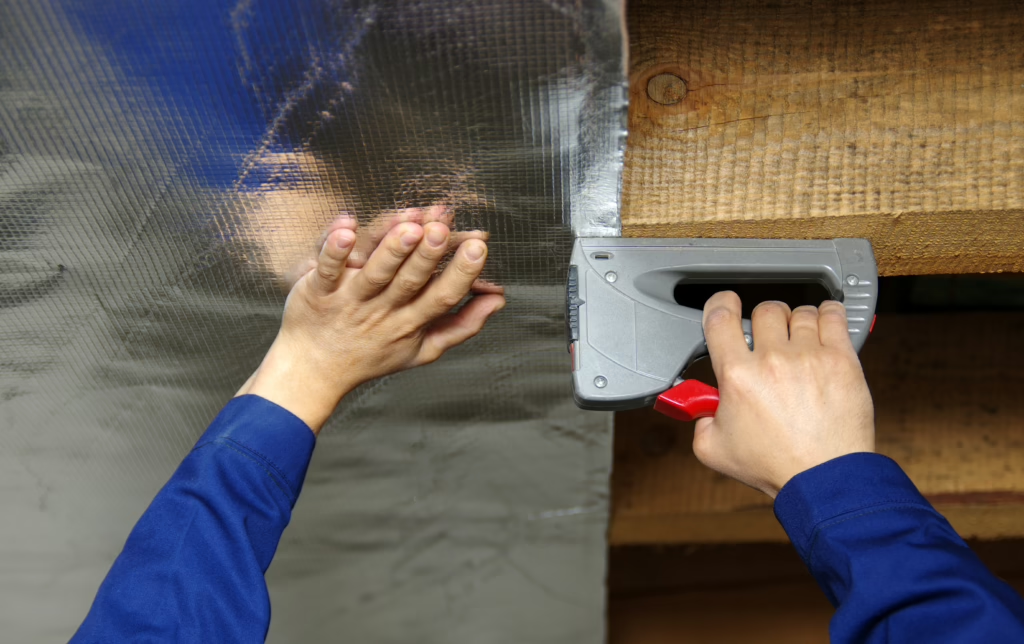
Wind-driven rain poses a different threat than heavy rain. Strong gusts can force water into small gaps around windows, doors, and vents during summer storms. Adding crawl space protection such as a vapor barrier in Voorhees, NJ, or homes in nearby locales, helps reduce moisture buildup that often worsens during summer storms, keeping the foundation drier and more resilient.
Weatherproofing Tips:
- Caulk the frames of windows and doors with exterior-grade caulk.
- All entry points should have their worn weatherstripping replaced.
- For large glass windows and doors, install plywood covers or storm shutters.
- Install vent covers to keep rain out and let air flow.
Garage Door Considerations:
Despite being frequently disregarded, garage doors can be a significant point of entry for water during storms. For extra protection against water intrusion and wind pressure, think about purchasing a garage door bracing kit.
Landscaping adjustments:
In order to prevent rainwater from splashing against windows during storms, prune any plants or shrubs that are too close to windows. The likelihood of unexpected water intrusion when the wind is driving rain straight at your house can be considerably decreased with even minor weatherproofing upgrades.
Preparing for Flash Floods in High-Risk Areas
Additional precautions should be part of your summer storm preparation if your house is located in a flood-prone area. Fast-moving flash floods can overwhelm even the best-prepared drainage system due to the combination of heavy rainfall and overflowing waterways.
Preparation strategies:
- Keep essential papers and valuables in waterproof containers.
- If at all possible, raise HVAC systems, appliances, and electrical outlets above flood level.
- Have a backup generator or sump pump that runs on batteries on hand.
- Determine safe escape routes in case highways become impassable due to flooding.
Use community emergency plans, weather warnings, and local flood maps to stay informed. During severe weather, being aware of your home’s flood risk allows you to make decisions more quickly.
Physical barriers:
- Use sandbags or detachable flood barriers at low entrance locations, such as basement doors and windows.
- Backflow prevention valves can be installed in plumbing to prevent floodwater from getting into drains.
By taking extra care, you safeguard not only the structural integrity of your house but also your family’s comfort and security during severe weather conditions.
Building a Year-Round Storm Preparation Routine
Preparing for storms is not limited to the summer. You can keep your house prepared for any extreme weather event by establishing a year-round maintenance and inspection schedule.
Seasonal checklist:
- Spring: Clear the yard of any debris and check for winter damage.
- Summer: Maintain gutters, test sump pumps, and inspect grading.
- Fall: Clear the gutters and drains of fallen leaves.
- Winter: Keep an eye on roof snow loads and ice buildup.
Home emergency kit essentials:
- Flashlights and extra batteries
- Portable phone charger
- First-aid kit
- Bottled water and non-perishable food
- Weather radio
Regular inspections help keep your house resilient year after year and lessen the need for last-minute repairs.
Take Action Now to Guard Against Summer Storms
Although summer storms are unpredictable, the best defense against unexpected water entry into your home is planning. You can significantly lower the threat of intense rain, flash floods, and strong winds by combining preventative maintenance, drainage upgrades, and targeted weatherproofing.

The goal of Safer Home Services, LLC is to help homeowners prevent storm damage by delivering the information they need to secure their homes before hurricane season. If your home has flooded or experienced sudden water intrusion, contact Safer Home Services, LLC now for emergency water removal, structural drying, and mold prevention. Our IICRC-certified teams serve Cherry Hill and surrounding locales with proven expertise and the careful, efficient service your home deserves.