
Mold is one of those household problems that can sneak up on you. One day everything seems fine, and the next, you notice dark spots on your bathroom ceiling or a musty smell in your basement. While mold can appear for many reasons, high indoor humidity is the number one culprit behind most mold problems in homes.
Protecting your home and health begins with knowing how humidity and mold growth are related. Better yet, you can prevent the issue before it arises by knowing how to operate a tool known as a hygrometer.
Why Humidity Matters for Mold Growth
Mold spores exist everywhere. There is no practical method to get rid of them entirely because they float through the air both inside and outside your house. The good news is that until these spores find the ideal environment to thrive, they stay harmless. When excess moisture leads to visible mold or hidden damage, professional water damage cleanup in Cherry Hill and the surrounding areas can address the source of the problem and stop mold growth before it spreads throughout your home.

Three elements are necessary for mold growth: moisture, the proper temperature, and organic matter to feed on. The first two are already in your home. Mold can feed on organic compounds found in wood, drywall, carpet, cloth, and even dust. The majority of homes maintain temperatures between 60 and 80 degrees Fahrenheit, which is ideal for mold growth.
The only element that you can truly control is moisture. Mold spores absorb moisture and start to proliferate when indoor humidity levels become too high. After being exposed to too much moisture for 24 to 48 hours, mold colonies may begin to grow on surfaces all over your house.
What Happens at Different Humidity Levels
Mold growth is not the only thing impacted by indoor humidity levels. They affect the state of your house, your comfort, and your health.
Below 30% Humidity
When indoor air becomes too dry, you might experience:
- Dry, itchy skin and eyes
- Irritated throat and nasal passages
- Increased static electricity
- Cracking in wood furniture and floors
- More frequent respiratory infections
30-50% Humidity (The Safe Zone)
This range represents the sweet spot for indoor air quality. At these levels:
- Mold growth remains unlikely
- Dust mites struggle to survive
- Your home feels comfortable
- Wood and other materials stay stable
- Your respiratory system functions well
Above 50% Humidity
Once humidity climbs past 50%, problems start to develop:
- On surfaces, mold can start to develop
- Dust mites proliferate and flourish
- The air is oppressive and feels thick
- Windows may develop condensation
- Musty smells may appear.
Above 60% Humidity
At this level, you’re in the danger zone:
- Mold growth accelerates rapidly
- Visible mold colonies appear within days
- Wood can begin to rot
- Paint may peel or bubble
- Metal surfaces can rust
Common Sources of High Indoor Humidity

Before you can solve a humidity problem, you need to understand where the excess moisture comes from. To resolve a humidity issue, you have to first determine the source of the excess moisture. High indoor humidity levels come from numerous everyday activities and conditions.
Daily Activities
Simply living in your home creates moisture. Steam is released into the air during cooking, particularly when using a cooktop or boiling water. A half-pint of water vapor can enter your bathroom air with a single shower. Even breathing contributes to the moisture content of indoor air, especially in bedrooms where people spend eight hours a night sleeping.
Poor Ventilation
Modern homes are designed to use as little energy as possible, which is fantastic for your heating and cooling costs, but bad for controlling moisture. Water vapor from all those everyday activities has nowhere to go if there is inadequate ventilation. It simply accumulates within your house.
Basement and Crawl Space Issues

Because they are surrounded by moist soil, underground rooms naturally have greater humidity levels. Water may infiltrate through foundation wall cracks. The issue may worsen if there is inadequate drainage near your foundation.
Plumbing Leaks
Moisture issues might arise from even tiny leaks that you haven’t yet noticed. Moisture can be released into the surrounding materials and air through a pinhole leak in a wall, a dripping pipe beneath your sink, or a leaking toilet seal.
Weather and Climate
Particularly in the summer, moisture from the outside tries to enter your home if you live in a humid region. The HVAC system and the internal envelope of your home work to keep this moisture out, but they aren’t always totally successful.
What Is a Hygrometer and Why You Need One
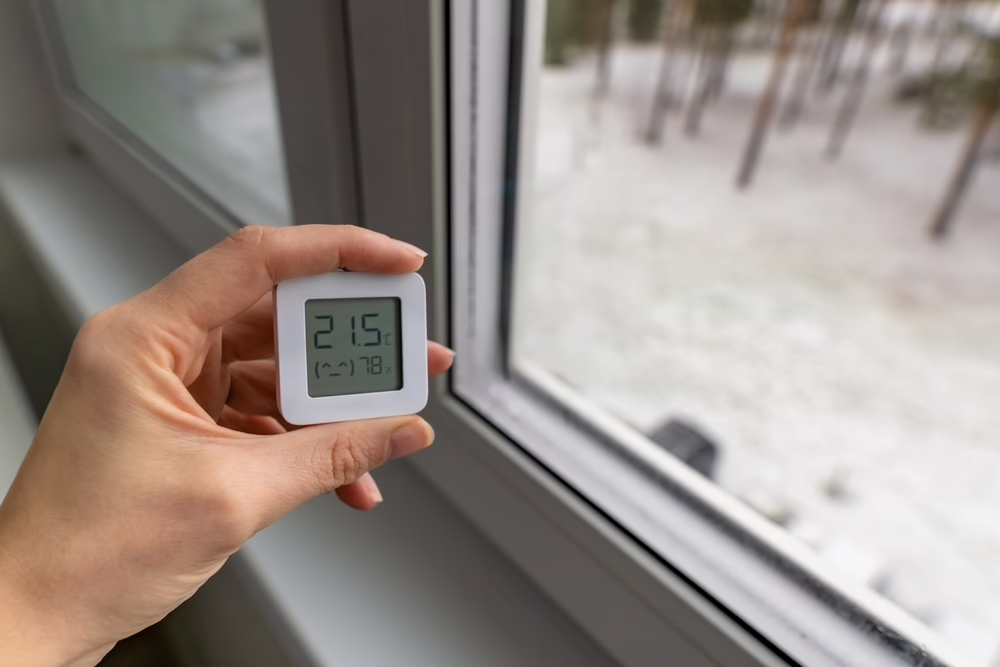
A hygrometer is a simple device that measures the moisture content in the air. Think of it like a thermometer, but instead of temperature, it tells you the relative humidity percentage.
You can buy a basic hygrometer for $10 to $20 at most hardware stores or online. More advanced models with additional features might cost $30 to $60. Either way, it’s a small investment that can save you thousands of dollars in mold remediation costs.
Digital hygrometers are easier to read than analog models, and many come with additional features like temperature readings, humidity history tracking, and alerts when levels get too high or low.
How to Use a Hygrometer Effectively
Using a hygrometer isn’t complicated, but you need to know where to place it and how to interpret the readings to get useful information.
Choosing the Right Location
Start by placing hygrometers in the areas most prone to moisture problems:
- Bathrooms, especially after showers
- Kitchens near the stove and sink
- Basements and crawl spaces
- Bedrooms, particularly in homes with multiple occupants
- Laundry rooms
- Any room where you’ve noticed musty odors or condensation
Your hygrometer may give you false readings if it is placed close to heating and cooling vents or directly against exterior walls.
Reading and Recording the Data
At different points throughout the day, check the readings on your hygrometer. Naturally, humidity levels vary according to weather and activity. Readings in the morning and evening may be very different.
When you first begin monitoring, keep a basic log for a week or two. Note the readings, the time, and the activities that took place. This helps you locate trends and trouble spots.
Taking Action Based on Readings
If your hygrometer consistently shows readings above 50%, you need to take action. Don’t wait until you see or smell mold. The readings themselves are your early warning system.
Practical Steps to Lower Indoor Humidity
Once you know you have a humidity problem, you can take specific steps to fix it. If excess moisture is coming from below your home or you have recurring water intrusion, scheduling sump pump replacement in Haddonfield, and surrounding towns, can be a critical step in reducing indoor humidity and preventing future damage.
Immediate Solutions
When the weather permits, open the windows, especially after wet activities like cooking or taking a shower. Every time you use the kitchen or bathroom, turn the exhaust fan on. After your activity is over, run these fans for at least twenty minutes.

Fix any leaks as soon as you discover them. Even small drips add up over time. Check under sinks, around toilets, and behind appliances regularly for excess moisture.
Long-Term Solutions
In trouble spots, think about putting in a dehumidifier. Dehumidifiers for basements are especially good at eliminating a lot of moisture. To maintain your desired humidity level, look for models with integrated humidistats that switch on and off automatically.
Improve the airflow in your house. This could involve constructing a whole-house ventilation system, adding vents to your attic, or replacing the exhaust fans in your kitchen and bathrooms.
Check your HVAC system. A well-maintained system removes moisture as it heats or cools your home. Clean or replace filters regularly, and have your system serviced annually.
Seasonal Adjustments
Your humidity control strategy needs to change with the seasons. In summer, air conditioning and dehumidifiers do most of the work. In winter, heating systems naturally dry the air, so you might actually need to add moisture in very dry climates.
However, winter can still bring humidity problems if you have poor insulation or ventilation. Cold surfaces like windows can cause condensation when warm, moist indoor air hits them. This condensation can lead to mold growth on window frames and sills.
Warning Signs You Might Have Missed
Even with a hygrometer, you should look out for visual signs of moisture problems:
- Condensation on windows, especially in winter
- Water stains on ceilings or walls
- Peeling or bubbling paint
- Warped wood floors or baseboards
- Musty or earthy odors
- Visible mold spots, often black, green, or white
If you notice any of these signs, check your hygrometer readings immediately and investigate the source of moisture.
Health Benefits of Maintaining Proper Humidity
Preventing property damage isn’t the only goal of controlling indoor humidity. It has an immediate impact on your health and well-being. Respiratory issues, asthma episodes, and allergic reactions can all be brought on by mold exposure.

Some people are extremely sensitive to mold, and even small amounts of exposure can cause symptoms. You can prevent mold growth and protect all members of your household and pets by maintaining humidity levels within a safe range.
Maintaining the right humidity levels also strengthens your immune system. Excessively humid or dry air might aggravate your respiratory system and increase your risk of infection.
Making Hygrometer Monitoring a Habit
Consistency is the key to controlling humidity and preventing mold. At least once a week, check the readings on your hygrometer. Trends can be easily identified without continuous monitoring thanks to memory capabilities that track high and low readings in many contemporary digital models.
Certain smart home hygrometers have the ability to link to your phone and notify you when the humidity levels become excessively high. If you have a vacation property or travel regularly, this can be especially helpful.
Control Indoor Humidity to Prevent Mold Before It Starts
High indoor humidity creates the perfect environment for mold to grow and thrive in your home. By understanding the connection between moisture and mold, and by using a hygrometer to monitor your indoor humidity levels, you can stay ahead of potential problems.
The safe zone for indoor humidity is between 30% and 50%. Staying within this range prevents mold growth while keeping your home comfortable and protecting your health. A hygrometer gives you the information you need to maintain these levels through ventilation, dehumidification, and proper home maintenance.
For less than the cost of a nice dinner out, you can buy a hygrometer and start protecting your home today. Regular monitoring takes just seconds, but it can save you from expensive repairs and health problems down the road. Don’t wait until you see mold to start paying attention to your indoor humidity levels. If you want expert help identifying moisture issues and protecting your home, contact Safer Home Services LLC today to schedule a professional inspection and get peace of mind.
Jack Lyons
Co-owner of Safer Home Services LLC