
An unexpected water heater emergency could occur. Knowing how to act fast can prevent major damage to your house, whether you suspect a gas-related issue or your tank is pouring water over your basement. This article takes you through doable actions to protect your family, pets, and property right now.
What You Need to Know First
Most households have water heaters that run quietly and that heat water for dishes and bathing. However, they lead to safety risks or flooding if something goes wrong. The good news is that you can mitigate danger and damage right away.
Leaks and possible explosions are the two major types of water heater hazards. Leaks increase the risk of mold and water damage. More significant complications can come from gas problems or pressure building up. Both scenarios require fast thinking and an understanding of the fundamental controls of your water heater.
Step 1: Turn Off the Water Supply Immediately

When a leak occurs, the first thing you should do is stop the water from getting into the tank.
Locating Your Shut-Off Valve
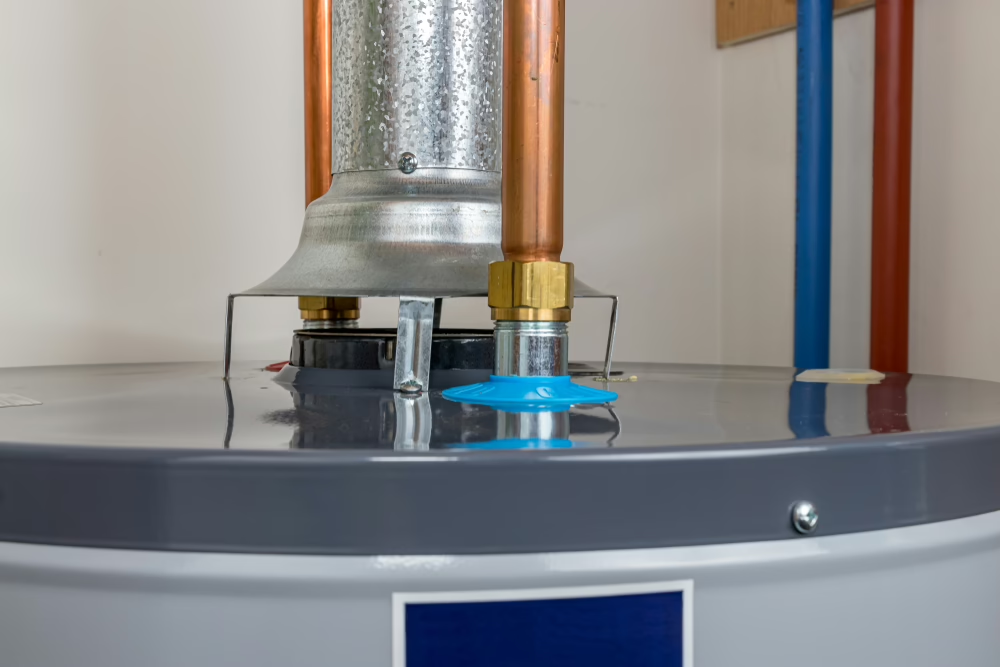
A shut-off valve is connected to the cold water inlet pipe of your water heater. This valve, which is often made from plastic or metal, resembles a tiny handle or knob. It is located atop the tank where the water line enters your house from the plumbing system. Before an emergency arises, you should be aware of the location of this valve.
Take a quick look at your water heater. Usually, the valve is located on the tank’s upper left side. Trace the cold water line that comes from above the tank if you are unable to locate it. You can see where it joins the tank by following it down. This connection point is where the shut-off valve is located.
How to Operate the Shut-Off Valve
Until the valve stops, turn it in a clockwise direction. The water flow into the tank is stopped by this motion. If the valve is rusty or blocked, you might need to use a wrench. Avoid applying too much force since this may harm the valve and make it more difficult to reopen in the future.
The valve is malfunctioning if you can hear water still flowing or pouring from the tank. In this situation, find the main water shut-off valve in your house. All water entering your house is controlled by this bigger valve. This main valve, which is typically located in your basement or close to the street, can be turned off to stop all water flow in your home.
Why This Matters
A single gallon of water per hour from a leaking tank adds up quickly. Insulation, flooring, and walls are all susceptible to water damage. Drywall crumbles and wood rots. Within 24 to 48 hours, mold starts to form.
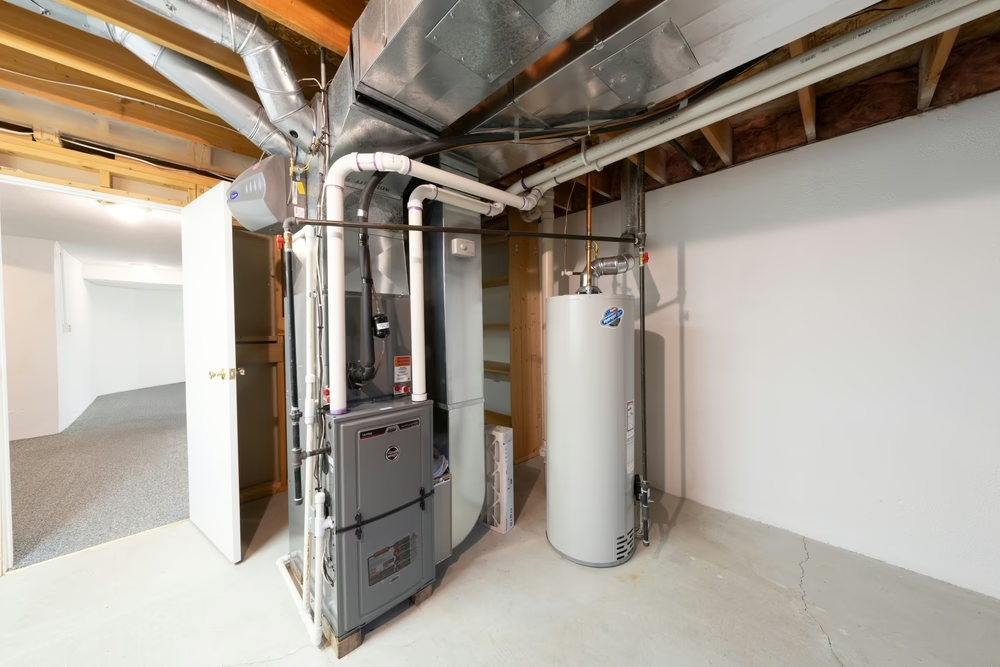
Your greatest defense against these issues is to cut off the water supply right away. If a tank leak occurs, contact a professional for water damage restoration in Collingswood or the surrounding areas to schedule service immediately to protect your home.
Step 2: Turn Off the Power Supply
After handling the water, address the power source to your water heater.
Electric Water Heaters
Check the electrical breaker panel in your house if you have an electric water heater. Typically, this box is hung on a wall in the laundry room, garage, or basement. Once the panel door is open, locate the breaker marked “water heater.” Additionally, it can display “hot water” or an amperage rating of “30 AMP.”
Turn this breaker off. It will turn off with a click that you can hear or feel. After this step, the heating element within the tank loses electricity.
Gas Water Heaters
Gas water heaters have a thermostat control dial on the tank’s side. Look for this dial near the bottom of the tank. Turn this dial to the OFF position. This action stops gas from flowing to the burner beneath the tank.
Do not attempt to relight a gas water heater on your own if you suspect a gas leak or other problem. Call a professional first.
Why This Step Is Critical
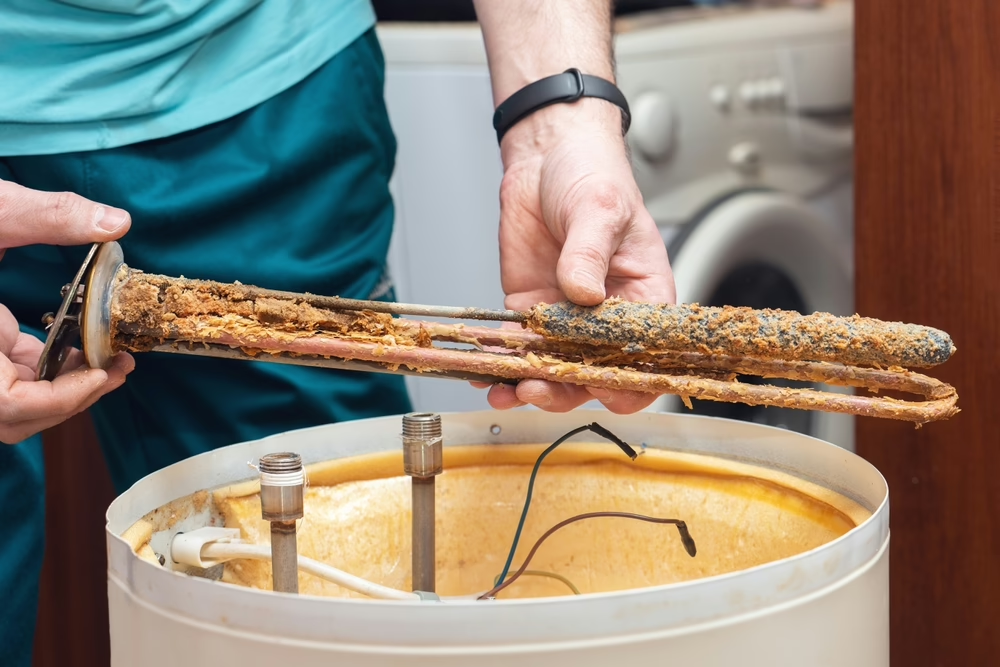
When the water level is low or the tank is damaged, turning off the power stops the heating element from working. Without water, an active heating element may overheat and sustain harm. Stopping the gas flow eliminates one potential hazard for gas units in an emergency.
Step 3: Close the Gas Supply Valve (Gas Water Heaters Only)
Only homeowners with gas-powered water heaters should follow this step. You can skip ahead if your device is powered by electricity.
- Confirm that your water heater is gas-powered, as this step does not apply to electric units.
- Locate the gas shut-off valve on the gas line leading from your meter to the water heater, usually within a few feet of the tank.
- Turn off the gas by rotating a round knob clockwise or turning a flat handle 90 degrees so it is perpendicular to the gas line.
- Do not turn the gas back on yourself, as gas systems require professional handling.
- If you smell a rotten egg odor, leave the home immediately and contact your gas company from outside.
Step 4: Drain the Tank
To stop additional damage and protect your house, you have to empty the tank after turning off the water and electricity.
| Process | Why It Matters |
| Why Draining Is Necessary | Draining the tank after shutting off the water and power helps prevent additional damage and protects your home. |
| Where to Find the Drain Valve | The drain valve is located at the bottom of the water heater and looks like a small faucet or spigot. It may be on the side near the base or underneath the tank. |
| How to Prepare for Draining | Attach a standard garden hose to the drain valve and direct it away from the foundation to a floor drain, storm drain, or sump pump. Use caution, as the water will be hot. |
| How to Drain the Tank | Open the drain valve by turning it counterclockwise and allow the tank to empty completely. Draining typically takes 30 to 60 minutes, depending on tank size. |
| Handling the Drained Water | Rust, sediment, or particles in the water are normal. Avoid draining hot water onto plants; use pavement or heat-tolerant landscaping instead. |
| Why Draining Helps | Removing the water relieves pressure, reduces weight, stops active leaks, and makes the tank safer to repair or replace. |
Step 5: Call a Professional and Document Everything
Your initial emergency response is complete once you’ve finished the first four stages. Now concentrate on expert assistance and safety. Once the emergency is under control, schedule a mold inspection in Camden County or wherever your family resides to prevent further damage.
When to Call a Plumber
Get in touch with a certified plumber as soon as possible. Describe the leak or safety problem with your water heater. For water heater issues, the majority of plumbers provide same-day appointments or emergency service.
Contact the emergency number of your local gas company first if you suspect a gas leak or other gas-related safety threat. Gas companies respond quickly to safety concerns and will inspect your system at no charge.
Document the Damage
Take crisp pictures and videos of the surrounding damage and the water heater. Display any impacted items, puddles, and water stains. For reference, take photos of the power connections, drain valve, and shut-off valve.
Note exactly when you become aware of the issue, the steps you took, and any strange noises or scents. Your service technician will understand more about what transpired with the help of this information.
Insurance Matters
Report what has happened to your homeowner’s insurance provider. Give them your timeline and pictures. Water damage from a leaking water heater may be covered by insurance, though coverage differs. Reporting quickly protects your claim.
Understanding Water Heater Pressure and Safety
Water heaters operate under pressure. The tank is filled with cold water and heated. Water expands when it heats up. This additional volume is absorbed by the expansion tank attached to your water heater, which maintains safe pressure.
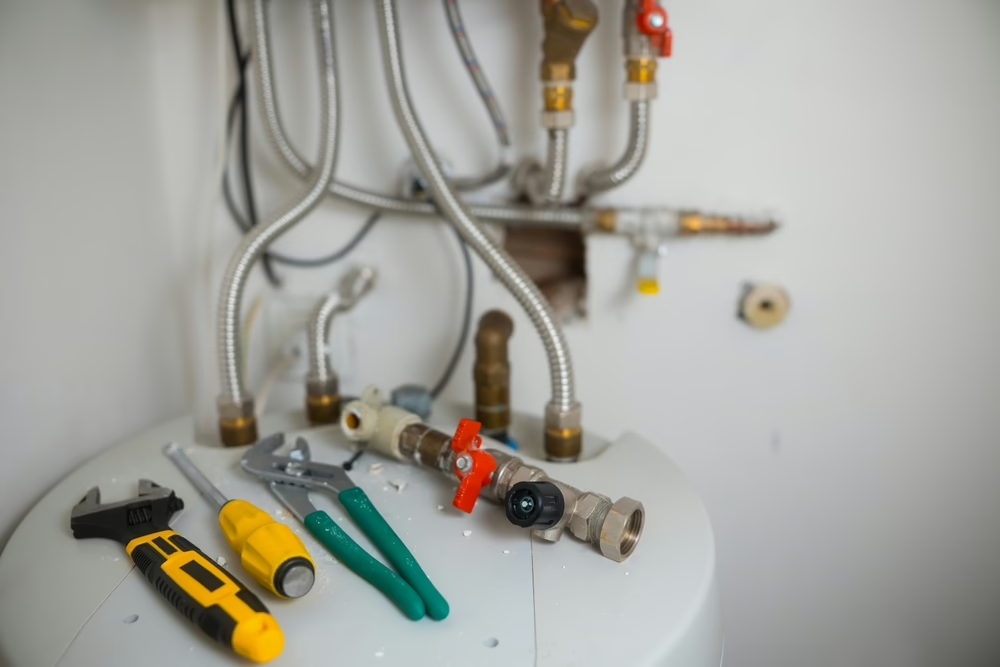
Pressure builds up inside the main tank if your expansion tank fails. The tank may leak or abruptly fail due to this pressure. An additional safety layer is provided by a pressure relief valve on top of the tank, which releases extra pressure as hot water.
Your pressure relief valve is probably operating as intended if you notice water trickling from a tiny pipe on top of the tank. Constant leakage, on the other hand, signals that the valve is releasing excessive pressure and that an internal tank issue is emerging.
Common Signs Your Water Heater Needs Professional Help
Recognizing warning signs can help you prevent emergencies. Watch for these indicators:
- Puddles of water under or around the tank, which point to an active leak
- Popping, banging, or rumbling noises caused by sediment buildup and overheating
- A metallic smell or taste in your water is often a sign of internal rust
- Water pooling around tank seams or pipe connections, which can worsen quickly
- Rotten egg odor near a gas water heater, indicating a possible gas issue
- An older water heater (typically 8–12 years), which is more likely to fail
Prevention Tips for the Future
- Routine water heater care helps prevent costly emergencies later
- Flush the tank once a year to remove sediment, which improves efficiency and takes about 30 minutes
- Test the pressure relief valve annually by lifting the lever to confirm it releases water briefly
- Keep the area around the water heater clear so the unit is easy to access during maintenance or emergencies
- Check the shut-off valve every few months by turning it slightly to prevent it from sticking
- Inspect nearby walls and floors for moisture or water damage to catch problems early
- Replace an aging water heater before it fails to avoid expensive emergency repairs
What to Remember When a Water Heater Emergency Happens
Water heater emergencies feel serious because they are serious. But homeowners who know these five steps can respond quickly and protect their homes from the worst damage.
Practice locating your shut-off valve and drain valve right now before any problem develops. Know where your power switch and gas shut-off are located. This knowledge takes five minutes but can save your home.
When a problem does occur, remember the steps in order. Turn off water, turn off power, close gas if applicable, drain the tank, and call a professional. Each step builds on the previous one to reduce danger and damage.
Your water heater works quietly every day without complaint. Treating it with basic care and knowing how to respond in an emergency means years of reliable service and peace of mind for your family. For expert help with water heater leaks or water damage, trust the team from Safer Home Services LLC to help correct any water damage issues, including those caused by a leaking or burst water heater. Contact us today.
Jack Lyons
Co-owner of Safer Home Services LLC