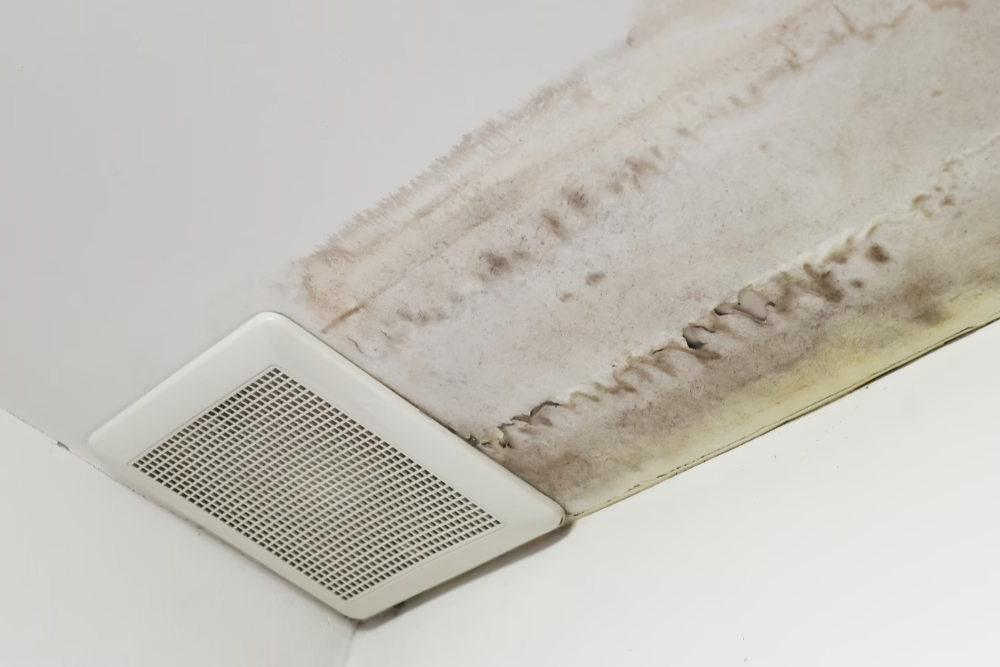
Discovering a suspicious patch of dark discoloration on your drywall often triggers immediate panic and a frantic rush to the local hardware store. Many anxious homeowners grab industrial-strength spray bottles, hoping to wash the biological problem away quickly and inexpensively. However, when faced with potential contamination, understanding exactly how professionals test for mold is the first step toward maintaining a safe and healthy home environment. Unfortunately, simple surface cleaning rarely solves the underlying structural moisture issues that consistently fuel extensive mold growth.
If you truly want a permanent solution, you must understand exactly what microscopic enemy you are fighting. Do you know what lurks behind your baseboards or under your floorboards? This uncertainty leads many property owners to seek professional mold testing in Cherry Hill to uncover the truth. Expert inspectors approach suspected indoor infestations with rigorous scientific precision rather than relying on simple visual guesswork. They utilize highly specialized diagnostic equipment to find hidden moisture sources and capture invisible airborne mold spores that the naked eye cannot detect.
The Foundation Of Detection: Advanced Visual Assessments And Moisture Mapping
Every proper evaluation begins with a thorough visual assessment of the entire building interior and exterior. During this phase, professionals look closely for obvious water stains, peeling wall paint, and significant structural material damage. They carefully check areas highly prone to elevated humidity, such as bathrooms, basements, and crawl spaces, to identify signs of problematic growth. At Safer Home Services LLC, our expertise allows us to spot the subtle indicators of moisture intrusion that many homeowners overlook during a casual walk-through.
Advanced Moisture Mapping Technology For In-Depth Detection
Fungal organisms simply cannot survive or multiply without a steady supply of liquid moisture nearby. Professionals use a combination of tools to create a “moisture map” of your home:
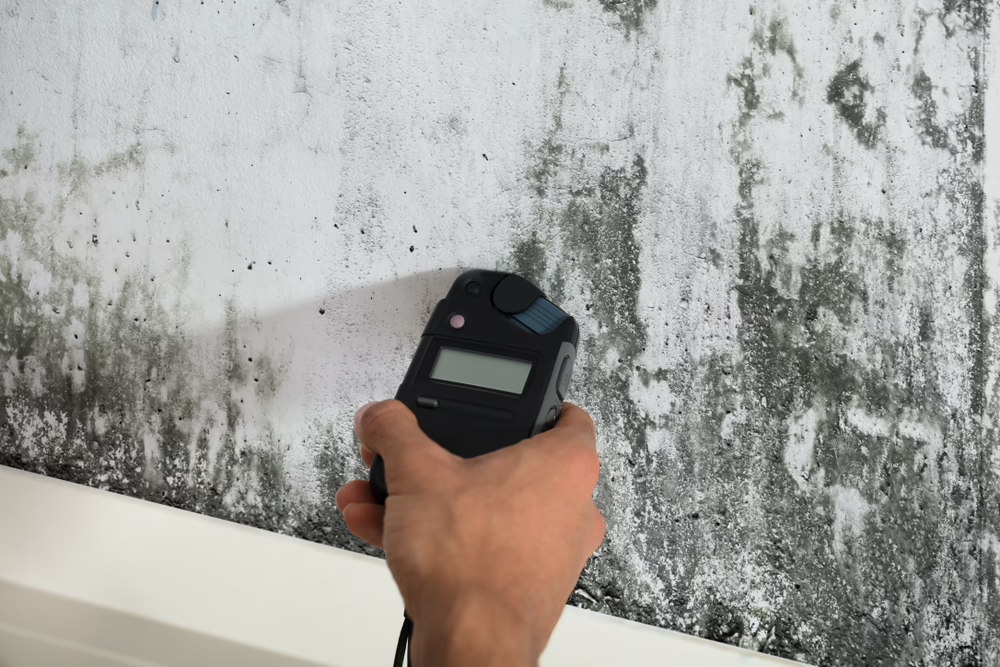
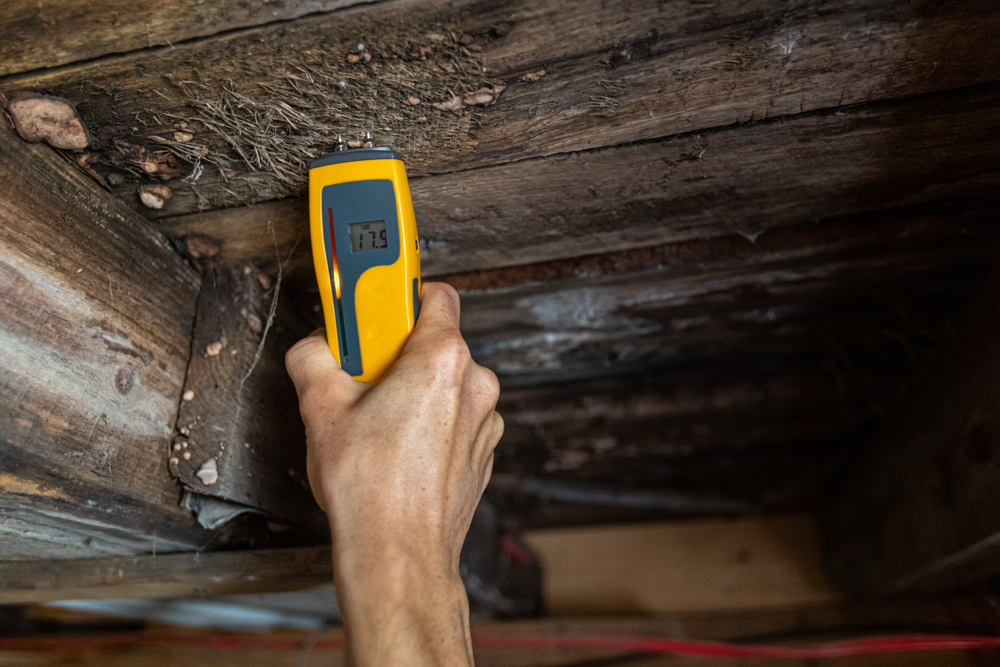
Digital Moisture Meters: These scan walls, floors, and ceilings for any hidden dampness.
Infrared Thermal Imaging: These cameras allow experts to see “cold spots” behind solid drywall, which often indicate hidden leaks.
Hygrometers: These measure the exact humidity levels in the air to identify areas at risk for spore germination.
By tracking these distinct moisture patterns, inspectors create an in-depth map of the ongoing water intrusion. This critical mapping process tells them exactly where to focus their most invasive physical methods for mold testing in Haddonfield. They can precisely pinpoint the origin of a hidden roof leak or a catastrophic plumbing failure. Fixing these specific water sources remains the absolute most critical step in permanent structural mold remediation. Without stopping the water, any cleanup efforts will ultimately fail within a few short weeks.
Professional Air Quality Testing And Scientific Sampling Methods
Visual physical inspections only reveal a tiny portion of the true indoor air quality and contamination levels. Microscopic spores float freely through the indoor air and spread rapidly via your central HVAC system. Professionals carefully collect precise air quality testing samples to measure the exact concentration of these invisible airborne particles. This is a core component of the services provided by Safer Home Services LLC, guaranteeing that what you can’t see isn’t hurting you.
Common Professional Air Sampling Methods
Method
Process
Purpose
Spore Trap Cassette
Air is drawn through a sticky slide via a calibrated pump.
Identifies total spore count and genus (Stachybotrys, Aspergillus, etc.).
Culturable Sampling
Air is drawn onto a petri dish with nutrient agar.
Determines if the mold is “viable” (alive and capable of growing).
Wall Cavity Sampling
Air is pulled specifically from behind a wall.
Detects hidden colonies not yet released into the main living area.
Analyzing Airborne Spores With Specialized Spore Trap Cassettes
The absolute most common air testing method utilizes specialized plastic spore trap cassettes. Inspectors carefully attach these small analytical devices directly to a specially calibrated mechanical vacuum pump. The pump forcefully draws a specific volume of indoor air through the cassette over a set time to capture particles. Inside the small cassette, a sticky glass slide permanently captures all the floating airborne spores.
These sealed physical samples head straight to an independent laboratory facility for rigorous microscopic analysis. Highly trained technicians count the individual spores and identify the specific fungal genera currently present on the slide. This detailed information reveals exactly what microscopic elements you are breathing inside your daily living spaces. It helps indoor environmental specialists formulate a highly precise and targeted removal strategy. Without this crucial data, contractors would essentially be guessing about the true severity of the invisible contamination.
Surface Testing Techniques For Accurate Identification
While air sampling properly evaluates your breathing zone, surface testing definitively confirms the identity of visible growth. Inspectors need to verify if that dark fuzzy stain on the baseboard is actually biological mold or simply accumulated soot.
At Safer Home Services LLC, our team uses several distinct techniques to lift physical material directly from the affected building materials for laboratory verification.
Bulk Sampling: This destructive process involves cutting out a small piece of the actual contaminated drywall, wood, or carpet for deep laboratory analysis.
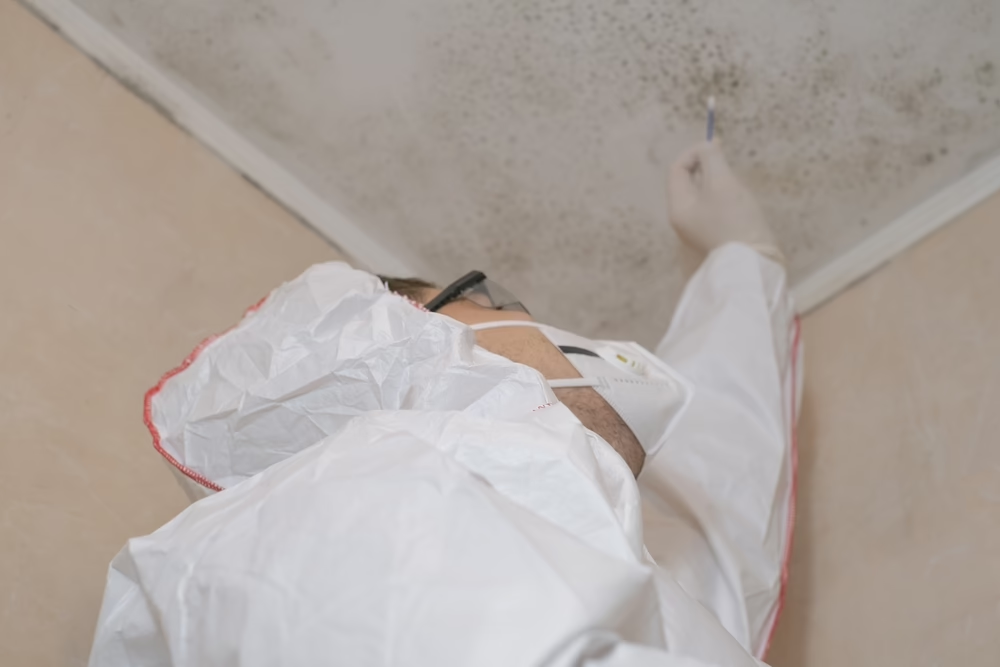
Tape Lift Samples: An inspector presses specialized adhesive tape against the suspect surface to lift the microscopic biological structures completely intact.
Swab Samples: Sterile cotton swabs are used to collect samples from irregular surfaces or hard-to-reach areas.
Bulk samples give testing laboratories the absolute most complete view of the entire structural infestation. Technicians can accurately analyze exactly how deeply the fungal roots have penetrated the porous building materials. This critical depth analysis tells contractors whether a material can be professionally cleaned or must be discarded entirely. Most highly porous materials like drywall or insulation require complete physical removal once they become heavily colonized.
Preparing Your Property For An Inspection
If you suspect a serious issue and decide to hire an expert, you must prepare your home properly. The daily conditions inside your house significantly impact the overall accuracy of the air and surface tests.
Step-By-Step: How To Prepare Your Home For Testing
Close All Exterior Windows and Doors: Keep all exterior windows and doors completely shut for at least twenty-four hours before the scheduled inspection. This allows the indoor air to stabilize.
Turn Off All Air Purifiers: Disable any standalone HEPA air purifiers or ozone generators at least a full day before testing begins, as these can artificially lower spore counts.
Avoid Heavy Cleaning: Do not vacuum, sweep, or dust the house immediately prior to the professional hygienist arriving. Agitating the dust can create outliers in the air data that do not reflect the normal state of the home.
Maintain Normal HVAC Use: Keep your air conditioner or heater running as you normally would to make sure the sample reflects your everyday environment.
Interpreting Professional Laboratory Results
Collecting physical samples represents only the first half of the diagnostic process. The real value comes from accurately interpreting the complex data provided by the laboratory. A certified professional carefully reviews the specific spore counts and detailed species identification reports to determine the health of the building.
Establishing Environmental Baselines
How do professionals know if an indoor spore count is genuinely dangerous? Fungal spores naturally exist in massive quantities in every outdoor environment. Therefore, inspectors always take an outdoor control sample to establish a precise baseline.
A healthy building should generally have indoor spore levels similar to or slightly lower than the outdoors. If the indoor counts are drastically higher, you likely have an active indoor amplification source. Finding specific fungal species inside that are completely absent outside also strongly indicates a localized indoor moisture problem. This baseline comparison forms the foundation of every professional indoor air quality assessment conducted by experts like those at Safer Home Services LLC.
Understanding Spore Counts In A Professional Report
Official laboratory reports express the final testing results in “total spores per cubic meter of air.”
Low Counts: Often represent normal environmental intrusion.
High Counts: Indicate active growth and the need for immediate remediation.
Marker Species: Even small amounts of species like Stachybotrys chartarum (Black Mold) or Chaetomium trigger serious health concerns.
The expert inspector uses these detailed numerical counts to write a formal mold remediation protocol. This document dictates exactly how a cleanup crew should safely handle the contaminated materials. It provides a clear, scientifically backed set of instructions to restore the building to a safe condition, making sure the property owner is not left with a recurring nightmare.
Conclusion
Understanding how professionals test for mold helps you make highly informed decisions about managing your property and your health. Relying on simple visual guesses or cheap hardware store kits often leaves dangerous hidden colonies completely untouched. By utilizing advanced thermal imaging, calibrated air pumps, and rigorous laboratory analysis, professional services like Safer Home Services LLC find the absolute truth regarding your indoor environment.
A professional evaluation delivers a highly precise roadmap for permanent removal and necessary structural repair. It identifies the exact moisture source that allowed the fungus to thrive in the first place, whether it be a slow pipe leak or high humidity. Fixing that specific water intrusion guarantees the biological contamination will not return after the cleanup finishes. Contact Safer Home Services LLC to invest in proper scientific testing and save you valuable time and money by making sure the job is done right the first time.
Jack Lyons
Co-owner of Safer Home Services LLC
Jack Lyons is co-owner of Safer Home Services LLC and an IICRC-Certified Water Damage Restoration Technician and Certified Mold Inspector. With more than 15 years of experience in residential restoration and commercial construction, Jack specializes in diagnosing moisture problems and preventing mold growth in homes. His hands-on expertise and commitment to customer service have made Safer Home Services a trusted local leader in home safety solutions.
Related Articles
Mold and Your Health: How Inspections Can Protect Your Family