
Doesn’t Mother Nature have a funny way of reminding us who is truly in charge? One moment you’re standing in your living room taking in the beautiful fall hues and the crisp autumn air, and the next you’re wondering why your carpet has become a spongy mess. Welcome back to fall storm season when more than just the leaves are changing.
Take a deep breath if you just made it through a fall storm and found water where it shouldn’t have been. More significantly, you’re going to find out exactly what to do next so you’re not alone. Let’s go over the crucial emergency water damage steps that will help you protect both your house and your mental health.
Why Fall Storms Often Lead to Severe Water Damage
Let’s discuss why autumn storms are particularly harmful to water damage before moving on to the next steps. There is science behind it, so it’s not just bad luck. Fall storms bring a perfect recipe for disaster. Seasonal rains frequently saturate the ground, leaves clog gutters before you can say, “I should’ve cleaned those,” and materials expand and contract due to temperature changes. You have a water damage cocktail that no one ordered when you combine strong winds and a lot of rain.
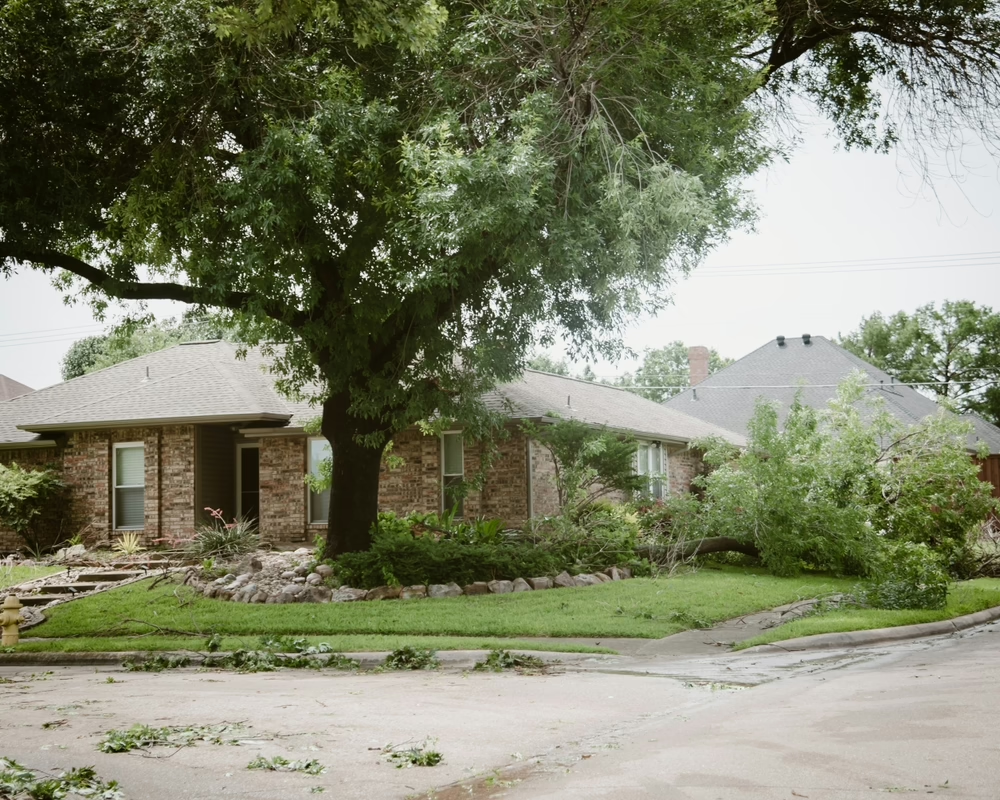
The actual kicker? Until the first significant fall storm occurs, many homeowners are unaware of their home’s vulnerabilities. That small fissure in your foundation? Water discovered it. Did you intend to clean those gutters in August? Now, like a misdirected waterslide, they’re sending water directly into your basement. If your home has experienced flooding or leaks, professional water damage restoration in Moorestown by Safer Home Services LLC can help you dry, clean, and rebuild your space quickly and safely for your family and pets.
Step 1: Safety First (Yes, Even Before Taking Photos)
Your initial reaction might be to take out your phone and begin recording everything for insurance. But wait. Even those Instagram-worthy disaster photos are of secondary importance to your safety.
Check for these hazards immediately:
- Standing water close to appliances or outlets
- Drooping ceilings that could give way
- Hissing noises or the smell of gas
- Damage to the walls, floors, or ceilings that is structural
- Surfaces that are slippery and could lead to falls
Don’t play hero if you see any electrical hazards. Make an immediate call to your utility company or an electrician.
More than a few inches of standing water? Don’t get involved. From sharp objects to polluted water, you never know what might be hiding beneath the surface. If you have rubber boots, put them on. If the water is very deep or possibly contaminated (from a sewage backup, for example), call experts right away.
Step 2: Stop the Water Source
Although it may seem obvious, you’d be shocked at how many people begin moving furniture before they turn off the water. It’s similar to bailing out a boat while the bottom is still being drilled.
Turn off your main water valve if water is leaking from a burst pipe. Every homeowner should be aware of its location. Usually it’s close to the water heater, in the crawl space, or in the basement. Unable to locate it? Although the timing isn’t ideal, this is a great time to learn.
Try using towels, sandbags, or even that stack of clothing you’ve been meaning to donate to make a temporary barrier against water seeping in through windows or doors. Is it attractive? No. Is it effective? That’s good enough at times.
If your roof is leaking, move any valuables or furniture away from the impacted area and set buckets underneath the drips. Avoid trying to scale your roof during or right after a storm. Professionals with the appropriate tools and insurance coverage are best suited for that task.
Step 3: Document Everything (Insurance Companies Love Evidence)
After taking care of the urgent safety issues, pick up your phone and begin taking pictures like a forensic investigator. Your memory of the damage will fade more quickly than you may think, and your insurance company will require documentation.
What to photograph:
- Broad views demonstrating the degree of water damage
- Close-ups of damaged objects, property, walls, and floors
- Walls with water level markings (which quickly disappear)
- Any broken systems or appliances
- If visible, the water intrusion’s source
- The outside of your house if damaged by the storm

Record videos as well. Go through each impacted room and describe what you observe. Talking into your phone may seem absurd, but this documentation could help your insurance claim be worth thousands of dollars.
While everything is still fresh in your mind, make a written inventory of the damaged items. Add estimated values and ages. Your insurance company needs to know that even though that wet couch doesn’t seem like much now, it cost you $1,200 three years ago.
Step 4: Contact Your Insurance Company ASAP
If the storm happens on Saturday evening, don’t wait until Monday morning to call your insurance. This is precisely why the majority of insurance companies have round-the-clock emergency lines. The restoration procedure can begin as soon as the claim is reported.
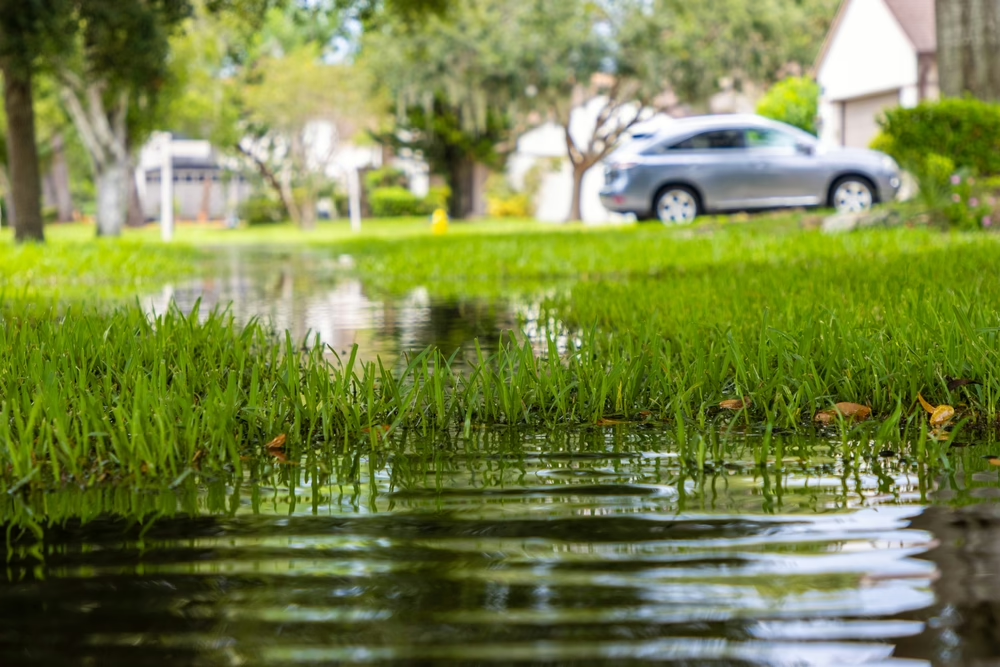
Be ready to explain what happened and have your policy number on hand when you call. Keep it factual: “Water entered through the basement window wells due to heavy rain from the fall storm” is more effective than “It seemed as though Niagara Falls had chosen to move into my recreation area.”
Look into your emergency services coverage. Emergency board-up services and water extraction are examples of immediate mitigation measures that will be covered by many policies. Before the adjuster shows up, find out exactly what you are allowed to do. In order to stop additional harm, some insurers prefer that you begin mitigation right away, while others want you to wait.
Expert advice: Document all of your communications with your insurance provider. Write down the date, time, name of the representative, and what was discussed. In the event that disagreements later emerge, this paper trail may be extremely helpful.
Step 5: Remove Standing Water Quickly
Time is not your friend when it comes to water damage. The longer water sits, the more damage it causes, and the higher the risk of mold growth. You’ve got about 24 to 48 hours before mold starts throwing a party in your damp spaces. Expert water remediation in Burlington County by Safer Home Services LLC helps homeowners remove excess moisture, prevent mold growth, and restore their property after leaks or flooding when time is of the essence.
For Minor Water Accumulation:
Grab towels, mops, and a wet/dry vacuum if you have one. Start removing water immediately. Wring out towels outside or into buckets, not down your drains if you’re dealing with contaminated water.
For Significant Flooding:
Call professional water extraction services. They have industrial-grade pumps and equipment that can remove hundreds of gallons in hours. Yes, it costs money, but it’s way cheaper than replacing your entire first floor because you tried to handle three inches of standing water with a Shop-Vac and determination.

Many professional restoration companies offer emergency services 24/7 during fall storm season. They know autumn weather patterns and are ready to respond quickly. Don’t be shy about calling multiple companies for quotes if time allows, but remember that speed matters more than saving a few dollars.
Step 6: Move and Salvage What You Can
Once you’ve got the water under control, it’s time to save what you can. Not everything is a total loss, even if it looks pretty grim right now.
| Category | Salvageable Items to Prioritize | Items Probably Not Worth Saving |
| Personal Items | Important documents, photos, and irreplaceable keepsakes. Books and papers can sometimes be saved if frozen until they can be dried properly. | Severely soaked papers or photos that have begun to mold or disintegrate. |
| Electronics | Devices can often be restored if turned off immediately and allowed to dry completely before use. | Electronics that were fully submerged or powered on while wet, as they can short-circuit or corrode. |
| Furniture | Solid wood pieces or furniture with minimal water exposure that can be dried and cleaned. | Particle board or composite furniture, which swells, cracks, and falls apart after soaking. |
| Fabrics | Clothes, curtains, and linens if washed and dried promptly. | Mattresses or upholstered furniture that were submerged, as they easily trap moisture and mold. |
| Home Materials | Move damp but salvageable items to a dry, well-ventilated area; use fans and dehumidifiers if possible. | Carpet padding, soaked insulation, and drywall that’s been underwater for more than 48 hours. |
It’s tough to throw things away, but some items become health hazards if you try to keep them. When in doubt, ask a restoration professional.
Step 7: Increase Air Circulation and Start Drying
Water damage restoration is basically a race against mold, and your secret weapon is air circulation. The faster you can dry things out, the better your chances of avoiding long-term problems.
Drying Strategies That Actually Work:
Open windows if the outside humidity is lower than inside (check the weather forecast). Point fans toward wet walls and floors, creating a cross-breeze if possible. Aim for at least four air changes per hour in affected rooms.
Use dehumidifiers to pull moisture from the air. Empty them frequently, or set them up to drain continuously if they have that option. You want to get indoor humidity below 50% to prevent mold growth.
Remove baseboards if they’re wet. Water gets trapped behind them, and that hidden moisture becomes mold’s favorite vacation spot. Take photos before removing them so you remember how they were installed.
Check hidden spaces like wall cavities and under flooring. Just because the surface looks dry doesn’t mean moisture isn’t lurking where you can’t see it. A moisture meter (you can rent one from hardware stores) is incredibly helpful here.
Step 8: Watch for Mold and Secondary Damage
Even after you’ve removed the water and started drying, your work isn’t done. Fall storm water damage has a sneaky habit of causing problems that show up days or weeks later.
Signs of Developing Mold:
- Musty odors
- Visible spots or discoloration on walls, ceilings, or floors
- Increased allergy symptoms or respiratory issues
- Peeling paint or wallpaper
- Warping or bubbling surfaces
Mold can start growing within 24 to 48 hours of water exposure. It loves dark, damp places with poor air circulation. Check closets, under sinks, behind furniture, and in crawl spaces regularly for the first few weeks after water damage.
If you spot mold growth larger than a small patch (about 10 square feet is the EPA’s guideline), call a professional mold remediation company. Trying to clean extensive mold yourself can actually spread spores throughout your home and create bigger problems.
Step 9: Prevent Future Fall Storm Water Damage
Once you’ve dealt with the immediate crisis, take steps to prevent a repeat performance next storm season. Fall storm preparation checklist:
- Clean gutters and downspouts before autumn leaves start falling
- Extend downspouts at least six feet away from your foundation
- Seal cracks in your foundation and around windows
- Trim trees near your house that could cause damage in high winds
- Check your roof for damaged or missing shingles
- Install a sump pump if you don’t have one, or test yours if you do
- Grade your yard so water flows away from your house
- Consider installing window well covers in basement windows
Step 10: Know When to Call the Professionals
There’s a fine line between being a handy homeowner and being in over your head. Some water damage situations require professional help.
Call professional water damage restoration services if:
- You’re dealing with more than a few inches of standing water
- The water might be contaminated (from sewage, flooding, or outdoor sources)
- You see structural damage to your home
- Water has been standing for more than 24 hours
- You smell mold or see significant mold growth
- Your insurance company requires professional documentation
- You’re just feeling overwhelmed by the scope of the damage
Professional restoration companies like Safer Home Services LLC have specialized equipment such as industrial dehumidifiers, air movers, moisture meters, and thermal imaging cameras. These devices can detect hidden moisture that leads to future problems and can typically dry your home much faster than DIY methods.
Yes, professional services cost money, but consider what you’re paying for: expertise, equipment, thorough drying, mold prevention, and often a guarantee on their work. Compare that to the cost of replacing moldy drywall, warped floors, and your entire HVAC system because mold spores spread throughout your house.
Understanding the Impact of Fall Storm Water Damage
Nobody wants to deal with water damage, especially when you’re just trying to enjoy sweater weather and football season. But if fall storms have turned your home into an unplanned indoor pool, quick action makes all the difference between a manageable problem and a renovation nightmare.
Remember the key priorities: safety first, stop the water source, document everything, contact your insurance company, remove standing water quickly, and start the drying process immediately. Watch for mold, salvage what you can, and don’t hesitate to call professionals when the situation exceeds your DIY capabilities.
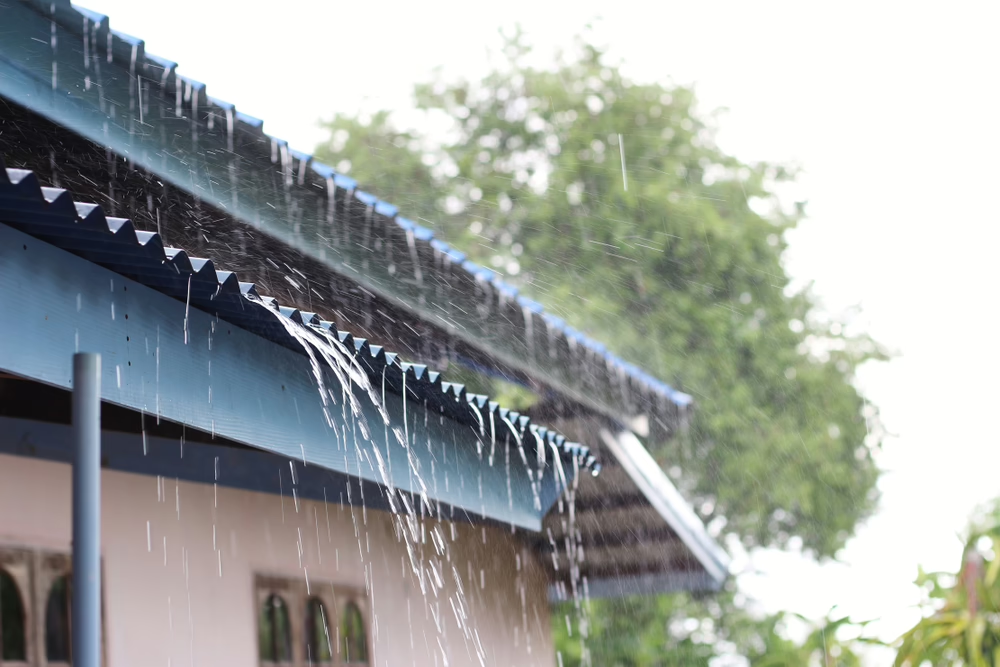
Fall storms are a fact of life, but with the right emergency response, your home can bounce back. Take this experience as motivation to prepare for next season because those autumn storms will be back next year, probably right when you’re planning to host Thanksgiving dinner. Stay dry out there, and remember: every homeowner who’s dealt with water damage has that same “why is my floor squishy” moment of realization.
Need emergency water damage services after a fall storm? Don’t wait for the problem to get worse. Contact Safer Home Services LLC today for fast, reliable service that’ll get your home back to normal.
Jack Lyons
Co-owner of Safer Home Services LLC


