
One of the most costly issues that homeowners deal with is frozen and burst pipes, which can occur when temperatures fall below freezing. Every winter, the “January Burst” is a real phenomenon that costs homeowners thousands of dollars to repair water damage. The good news? With the right planning and upkeep, you can avoid this type of emergency.
Everything you need to know about winterizing your pipes is covered in this guide, from knowing why freezing occurs to taking preventative measures before the cold weather arrives.
Why Do Pipes Freeze and Burst?
Unlike most liquids, water expands rather than contracts when it gets cold. Pipe walls are compressed by this expansion. The pipe bursts or cracks if the pressure gets too high. Water rushes out through the crack as the temperature rises, flooding your house.
When temperatures remain at 32 degrees Fahrenheit or lower for prolonged periods of time, pipes freeze. But damage doesn’t always occur at 32 degrees. In extremely cold weather, pipes may freeze more quickly, especially if they are exposed to wind or situated in uninsulated areas.
Certain pipes are more vulnerable than others. The most vulnerable pipes are those found in crawl spaces, basements, attics, and exterior walls. Additionally, pipes with minimal or no insulation around them are more susceptible to freezing. The first step in protecting your home is identifying which pipes are vulnerable.
Identifying Your Most Vulnerable Pipes
Walk around your home before winter arrives and identify pipes that could be at risk. Look for pipes in these locations:
- Exterior walls facing the wind
- Spaces between your home’s exterior wall and interior pipes
- Attics and crawl spaces
- Basements or foundation areas that aren’t heated
- Garages and utility rooms that stay cold
- Areas near windows or doors that let in drafts
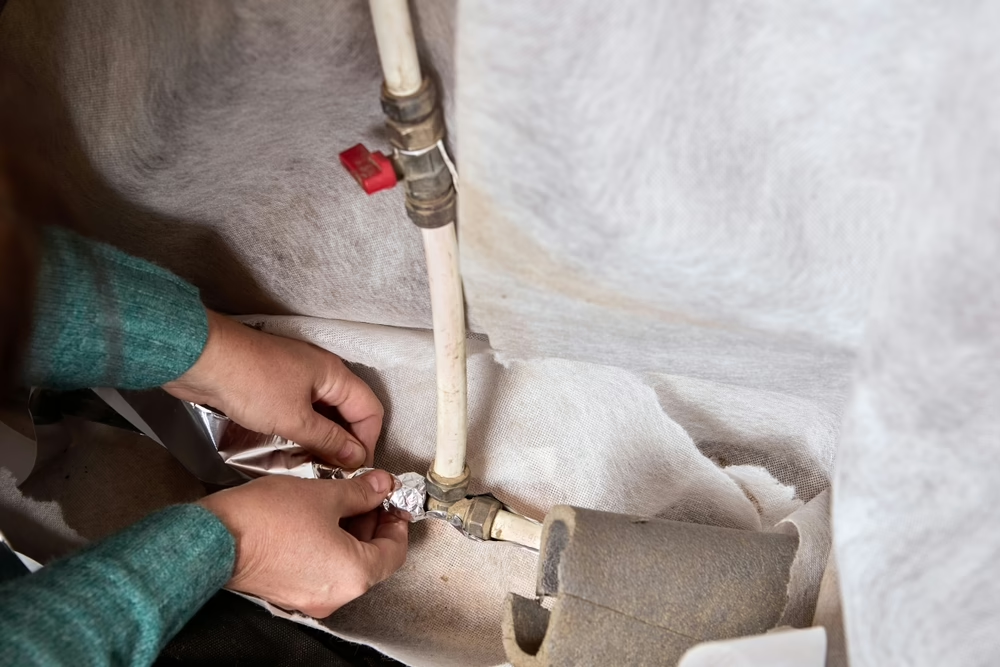
Be especially mindful of the corner cabinets beneath the sinks in the kitchen and bathroom. Despite being frequently overlooked, these areas frequently freeze due to their exposure to external walls and air. Feel the temperature close to the pipes by opening up those cabinet doors. Overlooking these hidden cold spots can quickly result in expensive water damage in South Jersey properties, a common challenge that homeowners often face during harsh winter weather.
The Most Effective Winterization Methods
Insulate Exposed Pipes
Your first line of protection is pipe insulation. Depending on your current situation, you have a number of possibilities. The simplest option is to use foam pipe sleeves. Any hardware store will have them. They are inexpensive and slip over the pipes. Choose sleeves that match the diameter of your pipe. They may not be sufficient in extremely cold climates, but they function best in moderate cold.
In severe winters, fiberglass insulation wrap offers more protection since it is thicker. Although a little more challenging to install, it works incredibly well. Additionally, this material is effective in difficult-to-reach places.
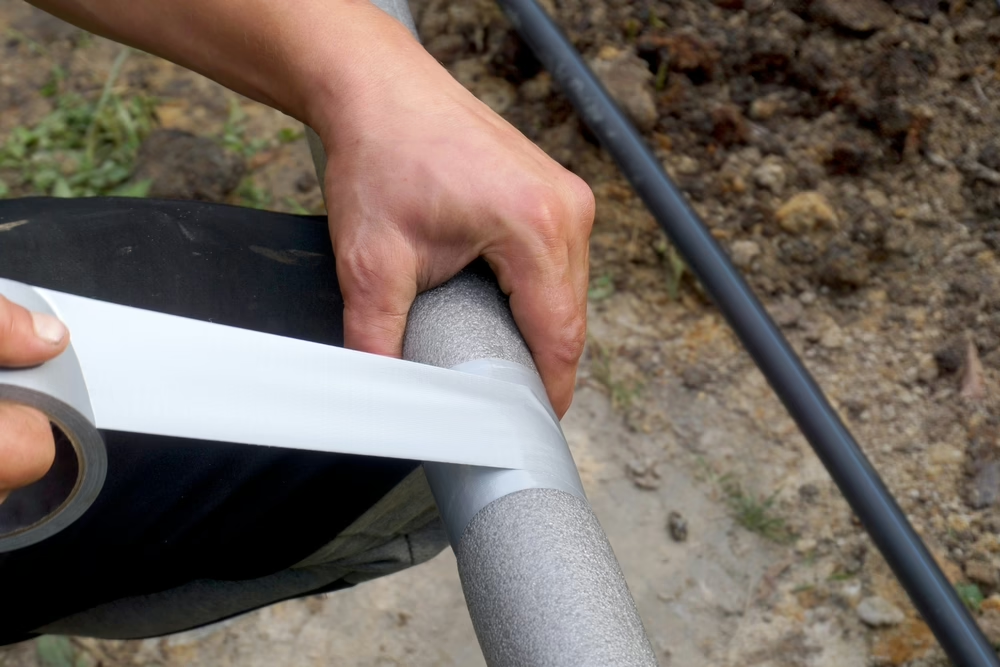
One active heating option is heat tape or heat cable. When the temperature drops, these electrical cables circle pipes to keep them warm. They are perfect for pipes that frequently freeze. When applying heat tape, be sure to carefully follow the manufacturer’s directions. Combination methods work best in the coldest climates. Start with foam sleeves, then wrap heat tape around them for extra protection.
Seal Air Leaks and Gaps
Even within your house, pipes might be exposed to freezing wind. Any openings where pipes enter your home or are exposed to outside air should be sealed.
Fill up the tiny spaces surrounding pipes with caulk. Inspect the areas where pipes leave through external walls. Another way to prevent cold air from entering interior pipes is to use weather stripping around windows and doors.
Seal foundation gaps and holes in crawl spaces. Seal areas that are closest to the pipes that are most likely to freeze if your garage or basement is unheated.
Let Water Drip Slightly
Moving water freezes at a lower temperature than static water, which is why this method works. A faucet that drips slowly keeps pressure from building up in the pipe. A small trickle keeps the water moving and stops ice from developing.
This method uses very little water and costs almost nothing. Turn faucets attached to pipelines that are at danger of a slow trickle on the coldest nights. On the first night of severe cold, many homes do this and keep it running until the weather improves.
Open Cabinet Doors
The pipes beneath your sinks should be filled with warm air from your house. In cold weather, open the cabinet doors beneath the sinks in the kitchen and bathroom. Warm air from your house can circulate around the pipes thanks to this simple action.
Remember to include cabinets on the outside walls. These are frequently your home’s coldest areas.
Keep Your Home Warm
The most basic protection is keeping your home warm. Maintain your home temperature at least 55 degrees Fahrenheit, even when you’re away. This single action prevents most residential pipes from freezing. By keeping your home consistently heated, you can help prevent frozen pipes and lower the risk of emergencies that may require water damage cleanup in Voorhees during extreme winter weather.
This becomes essential in vacation or rental houses. No matter how chilly it gets, never turn off your heat entirely in the winter. Heating is significantly less expensive than burst pipe damage!
Winterizing Your Water Supply

Install an insulated cover on any outdoor water shut-off valves to protect them from freezing: These covers are affordable, easy to find at hardware stores, and fit over the valve like a small box.
Insulate outdoor water meters using insulation or heat tape to protect both the meter and the pipe leading into your home: An insulated meter cover can help prevent freeze-related damage.
Locate your main water shut-off valve before winter arrives: It is typically near the water meter or where the main line enters your home. Practice turning it off so you can act quickly during a winter emergency.
Preparing for Extended Cold Snaps
| Situation | Recommended Action | Purpose |
| Temperatures below 20°F for several days | Increase water dripping from a small trickle to a more noticeable flow | Helps prevent pipes from freezing |
| Extreme cold conditions | Open cabinet doors wider | Allows warm air to circulate around pipes |
| Very low temperatures in basements or crawl spaces | Run a small space heater and aim it toward vulnerable pipes | Adds targeted warmth to reduce freeze risk |
| Mobile homes or older homes with exposed pipes | Take extra precautions with heat and water flow | These homes often have less insulation and higher freeze risk |
What To Do If Pipes Freeze
Sometimes pipes freeze even when you try the best you can to prevent them from doing so. Fast action is important. The absence of water from that faucet is the first sign of a frozen pipe. Other times you may hear odd sounds coming from the pipes or see a decrease in water pressure. If you believe a pipe is frozen, do not wait. Turn off the water at the main shut-off valve immediately. This stops water from flowing once the pipe thaws.
Next, find the area that is frozen. Look for any cold spots or ice buildup along the pipe. When you locate it, carefully apply heat. Put a hair dryer on the warm setting. Boiling water can damage copper pipes because of the drastic temperature fluctuation.
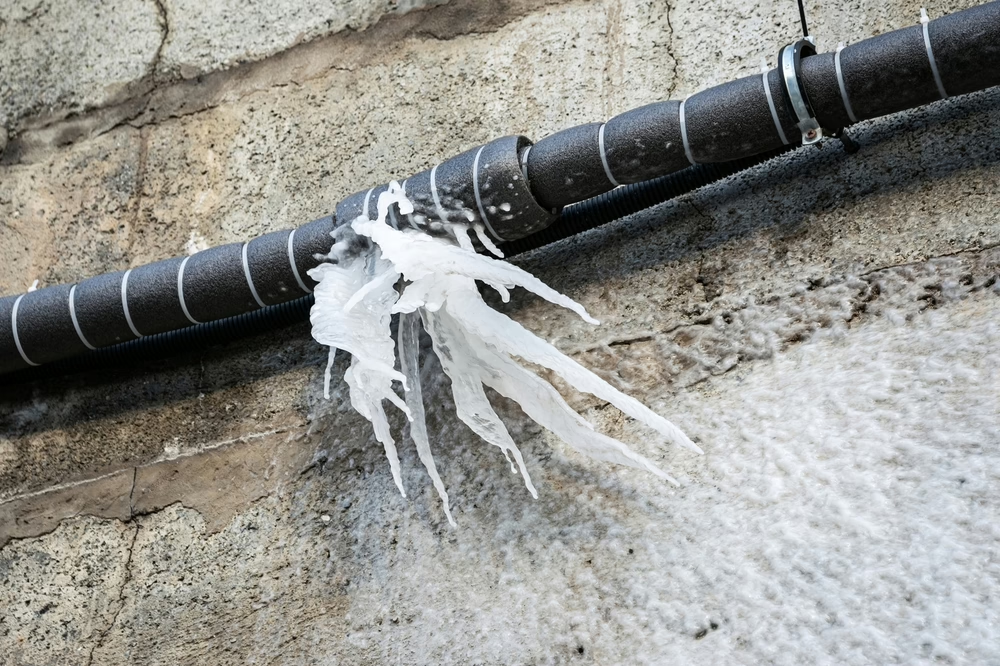
Heat tape or a heating pad can be useful for more difficult frozen pipes. If needed, continue using heat for at least 30 minutes. Leave the faucet open to keep the water flowing after it has returned. Call a qualified plumber right away if you are unable to find the frozen section or thaw the pipe on your own. Expensive damage is quickly created by a ruptured pipe.
Seasonal Maintenance Checklist
- Inspect all visible pipes in your home. Look for cracks, corrosion, or signs of wear.
- Test your main water shut-off valve. Make sure it turns easily, and you know how to operate it.
- Drain and disconnect garden hoses from outdoor spigots. Leave the spigots open slightly to allow any remaining water to escape.
- Insulate any exposed pipes you identify. Start this in early fall so you’re completely ready by December.
- Check that your heating system works properly. Have your furnace serviced if needed.
- Inspect your attic and basement insulation. Good general insulation in these spaces keeps pipes warmer.
Long-Term Improvements
Long-term improvements concentrate on lowering risk throughout the year, not just in the winter. The areas where pipes are most susceptible to cold air exposure can be further reduced by adding insulation around utility rooms, rim joists, and crawl spaces. In addition to lowering drafts that might cause freezing pipes, sealing gaps around doors, windows, and foundation openings helps maintain interior temperatures.
Make an appointment for a professional inspection if there has been a history of plumbing problems in your house. Before they become expensive issues, a professional can spot weak spots, deteriorating materials, or places with inadequate heat circulation. Sometimes an additional layer of protection can be added to trouble spots without requiring significant remodeling by installing special pipe insulation or heat cables.
Improving ventilation or upgrading your heating system can also make an impact. The likelihood of cold spots is reduced when heat is distributed evenly throughout the house. These upgrades improve comfort, energy efficiency, and the long-term worth of your house in addition to protecting your plumbing.
Protect Your Pipes Before the Cold Hits
The “January Burst” doesn’t have to happen in your home. With proper winterization and a little planning, you can protect your pipes through the coldest winters.
Start preparations when temperatures are still mild. Identify vulnerable pipes, add insulation, and seal air leaks. Keep your home at a reasonable temperature throughout winter. During extreme cold events, take extra precautions like letting faucets drip.
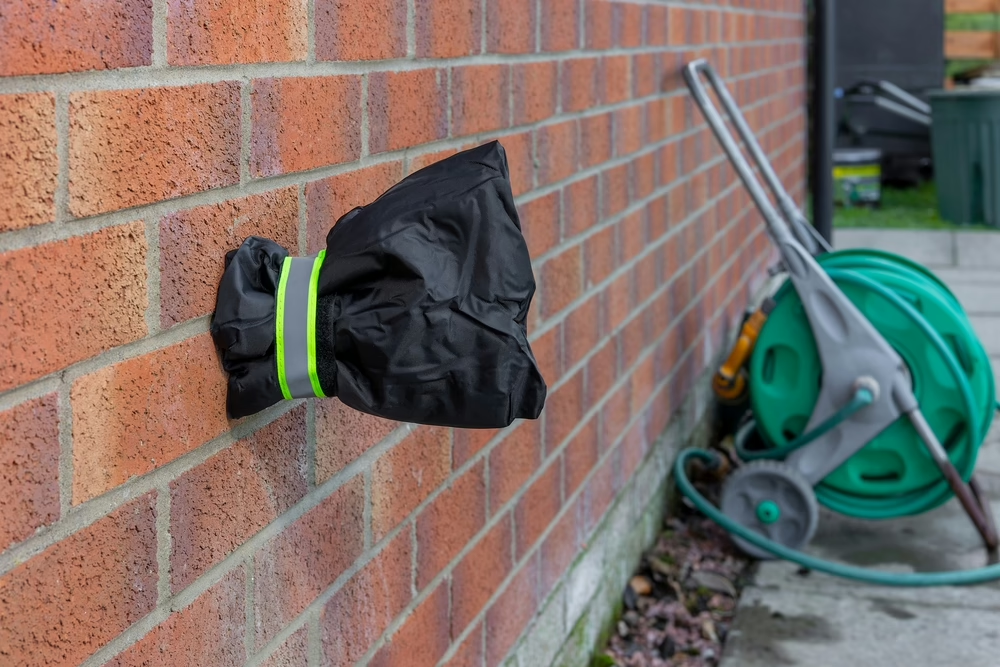
Remember that the cost of winterization is tiny compared to the cost of repairing burst pipes and water damage. Most winterization methods cost under one hundred dollars and take just a few hours to install.
Don’t wait until temperatures drop below zero. Begin now, and you’ll sleep soundly all winter knowing your pipes are protected. Your future self will thank you when you avoid the expensive and stressful reality of frozen and burst pipes. If you’re dealing with a burst pipe, contact Safer Home Services LLC today for fast water cleanup, professional drying, and reliable restoration to help prevent costly long-term damage.
Jack Lyons
Co-owner of Safer Home Services LLC