
Winter brings cold weather challenges for homeowners, especially when it comes to plumbing. Frozen pipes are one of the most common and costly problems you can face during the cold months. When water freezes inside your pipes, it expands and can cause them to burst, leading to expensive water damage throughout your home.
The good news is that most frozen pipe problems can be prevented with the right precautions. This guide will walk you through everything you need to know about protecting your plumbing system during winter and what to do if problems occur.
Why Do Pipes Freeze in Winter?
Understanding why pipes freeze helps you prevent the problem. Water freezes at 32 degrees Fahrenheit, but your pipes typically start having issues when outdoor temperatures drop below 20 degrees for extended periods.
Pipes are most vulnerable when they are:
- Located in unheated areas like basements, attics, or crawl spaces
- Running along exterior walls with little insulation
- Exposed to cold air in garages or outdoor areas
- Found in cabinets against outside walls, especially in kitchens and bathrooms

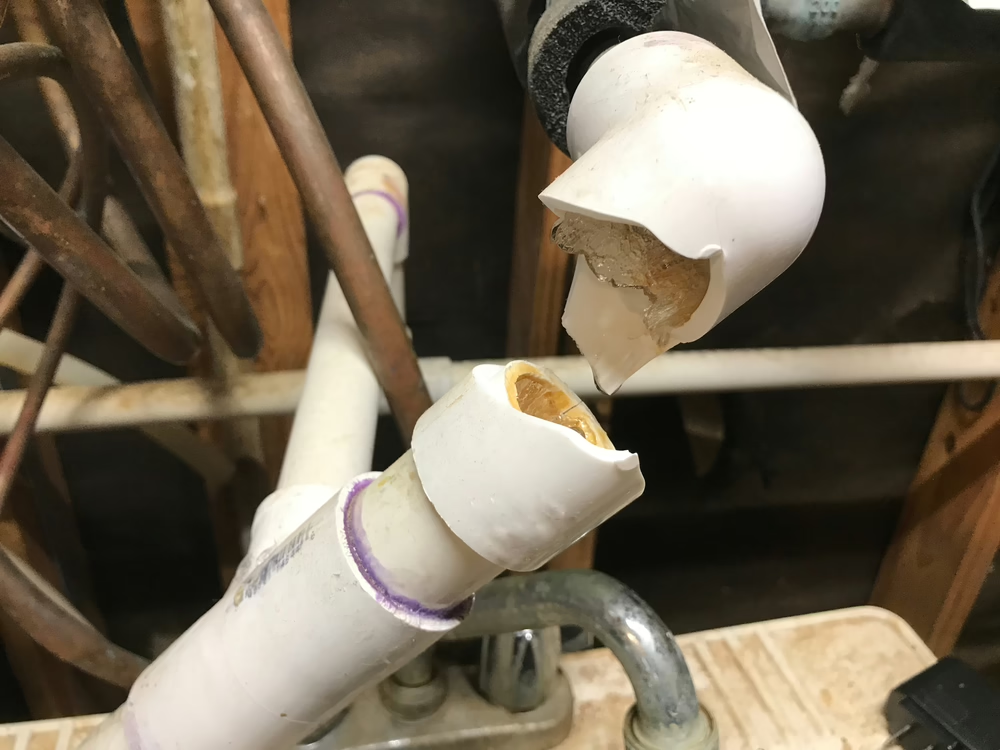
When temperatures drop, the water inside these pipes can freeze solid. As ice forms, it creates pressure that builds up inside the pipe. This pressure can reach thousands of pounds per square inch, which is enough to burst even strong metal pipes.
Warning Signs Your Pipes Might Freeze
Catching the early warning signs can help you take action before a pipe bursts. For many homeowners who already maintain their plumbing systems or schedule services like sump pump replacement in Haddonfield, NJ, staying alert during winter is just as important. Watch for these indicators:
- Reduced Water Flow: If you turn on a faucet and only a trickle comes out, ice may be forming inside the pipe. This is one of the earliest signs that freezing is occurring.
- Frost on Pipes: Visible frost or ice on the outside of exposed pipes is a clear warning sign. Check pipes in your basement, crawl space, and other unheated areas regularly during cold snaps.
- Strange Smells: If you notice odd odors coming from your drains or faucets, a blockage from ice may be forcing sewer gases back into your home.
- No Water at All: When you turn on a tap and nothing comes out, you likely have a completely frozen pipe somewhere in your system.
Prevent Frozen Pipes Before Winter Arrives
The best time to protect your pipes is before the first freeze hits. Taking preventive steps in fall will save you from emergency situations later.
Insulate Vulnerable Pipes
Pipe insulation is cheap and easy to install. You can find foam pipe sleeves at any hardware store.
| Task | Details |
| Insulate Vulnerable Pipes | Pipe insulation is affordable and simple to install using foam pipe sleeves available at hardware stores. |
| Where to Focus | – Pipes in unheated spaces (basements, attics, crawl spaces)- Pipes along exterior walls- Water supply lines in the garage- Any exposed outdoor plumbing |
| Additional Protection | In extremely cold climates, heat tape or heat cables can be wrapped around pipes to provide gentle warmth when temperatures drop. |
Seal Air Leaks
Cold air drafts can reach your pipes through cracks and gaps in your home’s structure. Inspect these areas:
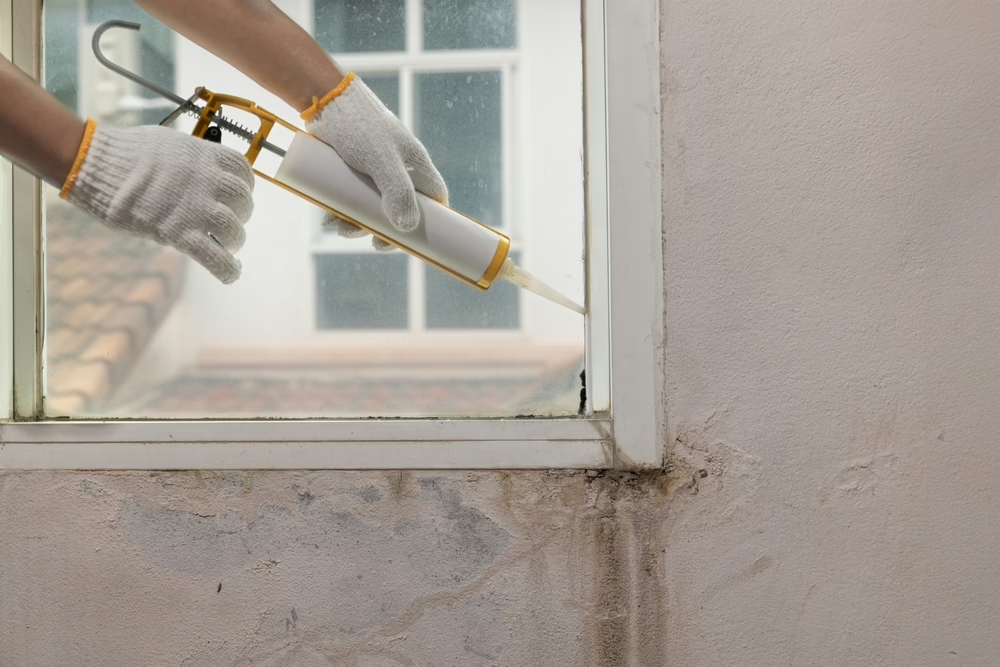
- Where pipes enter your home from outside
- Around basement windows and doors
- Gaps in exterior walls near plumbing
- Openings around vents and utility lines
Use caulk or spray foam insulation to seal these openings. Even small drafts can drop the temperature around your pipes enough to cause freezing.
Disconnect Outdoor Hoses and Faucets
Garden hoses left connected in winter can trap water that freezes and damages both the hose and the faucet. Before the first freeze:
- Disconnect all outdoor hoses and drain them
- Shut off water to outdoor faucets from inside your home
- Open outdoor faucets to drain remaining water
- Install insulated faucet covers for extra protection
If you have an irrigation system, have it professionally winterized to prevent damage to underground lines.
Service Your Heating System
A reliable heating system is your first defense against frozen pipes. Schedule a professional inspection of your furnace or boiler before winter. Change filters regularly and keep your thermostat set to at least 55 degrees, even when you’re away from home.
Protect Your Pipes During Cold Snaps
When temperatures plunge, take extra precautions to keep water flowing through your pipes.
Keep Indoor Temperatures Consistent
Never let your home temperature drop below 55 degrees Fahrenheit. If you’re going on vacation during winter, keep the heat on. The cost of heating an empty house is much less than repairing burst pipe damage.
Set your thermostat to the same temperature day and night during extreme cold. Turning down the heat at night to save money can lead to frozen pipes that cost far more to repair.
Let Faucets Drip
When temperatures drop into dangerous territory, let faucets connected to vulnerable pipes drip slightly. Moving water is much harder to freeze than standing water.
You only need a trickle, about five drops per minute. This works best for:
- Any tap that has frozen in previous winters
- Faucets on exterior walls
- Sinks in unheated areas
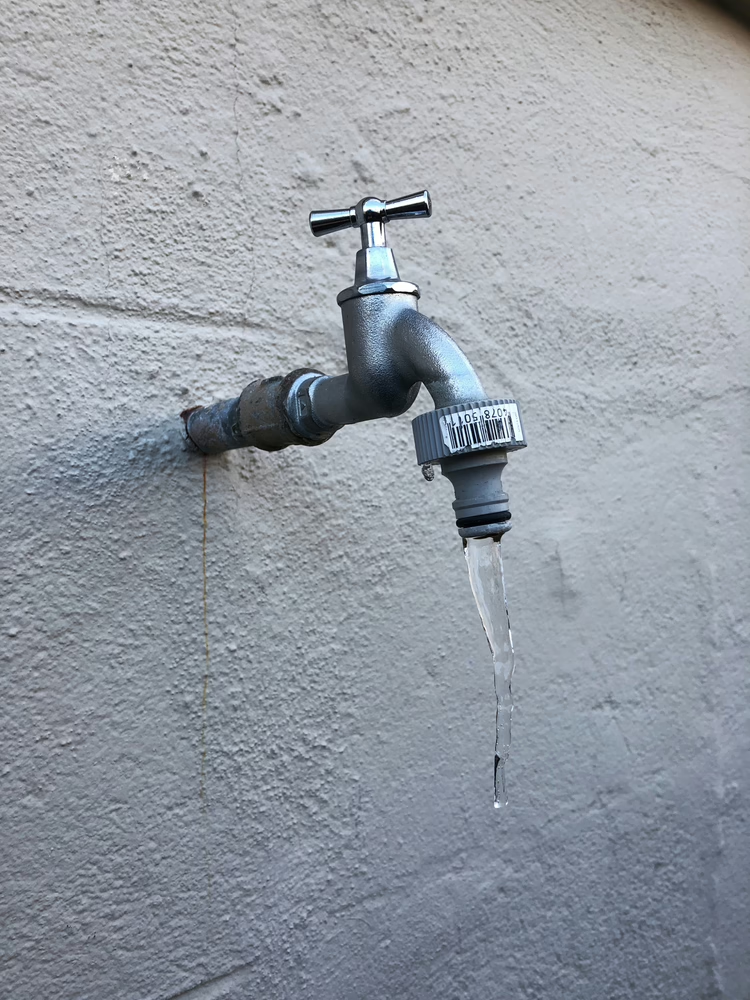
Both hot and cold water lines benefit from this technique, so let the faucet drip from both sides.
Open Cabinet Doors
Kitchen and bathroom sinks are often located against exterior walls. During very cold weather, open the cabinet doors below these sinks. This allows warm air from your home to circulate around the pipes.
Remove any cleaning products or other items that could be hazardous to children or pets before leaving cabinet doors open.
Keep Garage Doors Closed
If you have water supply lines running through your garage, keep the garage door closed as much as possible. The garage is typically unheated, and an open door lets in even colder air that can freeze pipes quickly.
Use Space Heaters Carefully
In extremely cold areas of your home, a space heater can provide extra warmth to vulnerable pipes. Always follow safety guidelines:
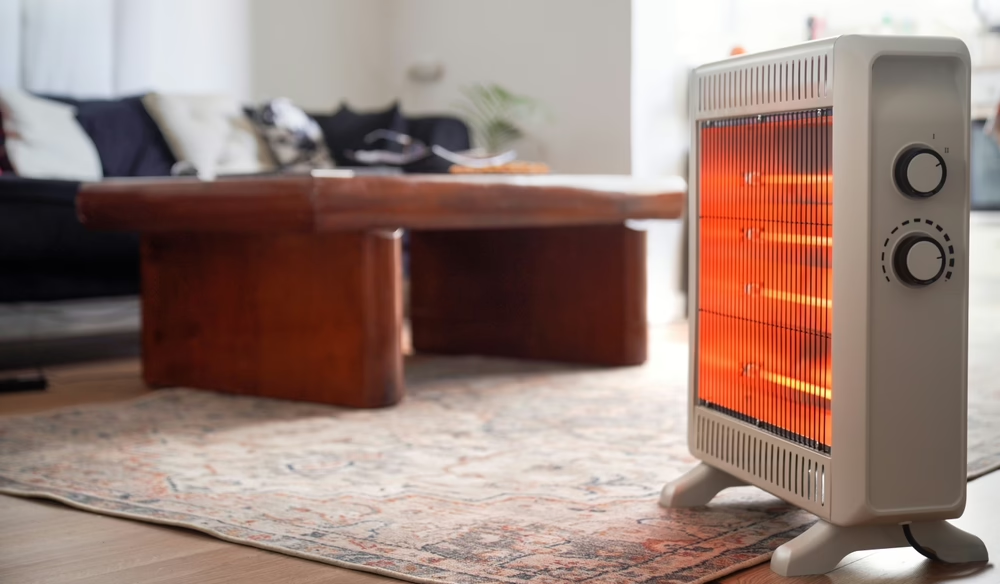
- Keep heaters away from flammable materials
- Never leave space heaters unattended
- Plug directly into wall outlets, not extension cords
- Keep heaters out of reach of children and pets
What to Do If Your Pipes Freeze
Even with precautions, pipes can still freeze during severe cold. Quick action can prevent a frozen pipe from bursting.
Locate the Frozen Section
Turn on faucets throughout your home to find which ones have no water flow. This helps identify which pipe is frozen. The frozen section is typically between the water meter and the affected faucet.
Check exposed pipes for frost or bulging, which indicates ice inside. Focus on pipes in unheated spaces and along exterior walls.
Keep the Faucet Open
Leave the affected faucet open while you work on thawing the pipe. As ice melts, water and steam need somewhere to go. An open faucet provides an escape route and reduces pressure buildup.
Apply Heat to the Frozen Pipe
Start thawing the pipe closest to the faucet and work backward toward the coldest section. This allows melting ice to flow out through the open tap.
Safe thawing methods include:
- Wrapping the pipe with towels soaked in hot water
- Using an electric heating pad wrapped around the pipe
- Pointing a hair dryer at the frozen section
- Using a space heater to warm the air around the pipe
Never use these dangerous methods:
- Propane or kerosene heaters
- Blowtorches or other open flames
- High-temperature devices that could damage pipes
Call a Professional
If you cannot locate the frozen pipe, if it’s inside a wall or ceiling, or if your thawing attempts are not working, call a licensed plumber immediately. Professionals have specialized equipment like pipe thawing machines that can safely thaw frozen pipes in hard-to-reach locations.
Dealing With Burst Pipes
If a pipe bursts, you need to act fast to minimize water damage. If the frozen pipe has already caused leaking or flooding in your home, professional water removal in Voorhees and the surrounding areas can help prevent further damage before you begin thawing. With the area stabilized, you can safely move on to thawing the frozen pipe.
Shut Off the Water
Know where your main water shutoff valve is located before an emergency happens. It’s typically near where the main water line enters your house. Turn this valve clockwise to stop water flow to your entire home.
If you have a burst pipe in a specific area and can identify the local shutoff valve for that section, use it instead to maintain water service to the rest of your home.
Turn Off Electricity
If water is flowing near electrical outlets, appliances, or your electrical panel, shut off power at the main breaker. Water and electricity are a dangerous combination.
Document the Damage
Take photos and videos of all water damage for insurance purposes. This documentation will be valuable when filing your claim.
Remove Standing Water
Use mops, towels, and a wet/dry vacuum to remove standing water as quickly as possible. The faster you remove water, the less damage it will cause to floors, walls, and belongings.
Call Your Insurance Company and a Plumber
Contact your homeowner’s insurance company to report the damage and start a claim. Then call a licensed plumber to repair the burst pipe. Many plumbers offer 24-hour emergency service for situations like this.
Long-Term Solutions for Problem Pipes
If certain pipes freeze repeatedly despite your preventive efforts, consider permanent solutions.
Relocate Exposed Pipes
A plumber can reroute pipes from unheated areas to warmer parts of your home. While this involves more upfront cost, it permanently solves the freezing problem.
Add Extra Insulation
Improving insulation in attics, basements, and crawl spaces keeps these areas warmer and protects pipes. This also reduces your heating costs year-round.
Install Heat Cables
Self-regulating heat cables can be installed permanently on vulnerable pipes. These cables turn on automatically when temperatures drop, providing constant protection without wasting energy.
Upgrade to Frost-Proof Fixtures
Frost-proof outdoor faucets have a long stem that reaches back into the heated part of your home, where the actual shutoff valve sits. This design prevents freezing at the outdoor spigot.
Special Considerations for Vacation Homes
If you own a property that sits empty during winter, take extra precautions. It’s also helpful to keep the thermostat set to a consistent temperature to prevent freezing in hidden areas of the home. For added peace of mind, consider scheduling periodic check-ins or using smart home monitoring devices to catch temperature drops or leaks before they cause major damage.
Winterize the Plumbing
The safest option is to completely winterize the property. This involves:
- Shutting off the main water supply
- Draining all pipes by opening every faucet
- Flushing toilets to empty the tanks
- Pouring antifreeze into drains and toilet bowls
- Draining the water heater
Hire a professional plumber to winterize your vacation home properly if you’re not comfortable doing it yourself.
Maintain Minimal Heat
If you prefer to keep the plumbing operational, keep the heat on at 55 degrees minimum. Consider installing a smart thermostat that alerts you if temperatures drop or the heating system fails.
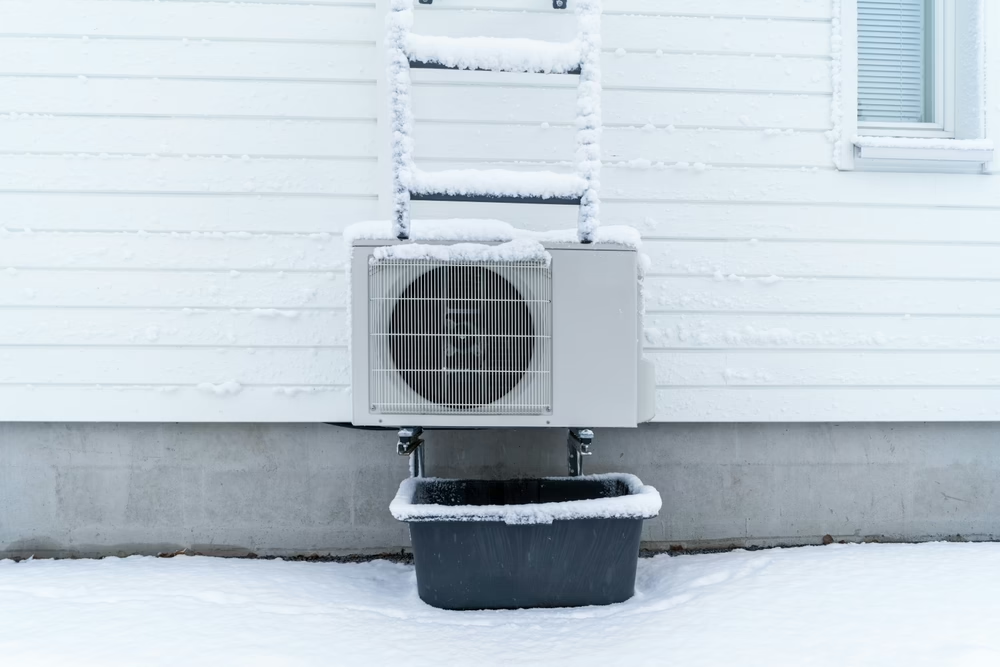
Install a freeze alarm system that monitors temperature and sends alerts to your phone if conditions become dangerous.
The Cost of Prevention vs. Repair
Preventing frozen pipes costs very little compared to repairing the damage from burst pipes. Basic prevention steps like pipe insulation and sealing air leaks typically cost under $100 in materials.
In contrast, a single burst pipe can cause thousands of dollars in damage. The average insurance claim for frozen pipe damage exceeds $10,000, according to industry data. This includes:
- Plumbing repairs
- Water damage restoration
- Replacing damaged flooring, drywall, and belongings
- Potential mold remediation
Your insurance deductible may also apply, meaning you’ll pay a significant portion of these costs out of pocket.
Wrapping Up Your Winter Plumbing Prep
Protecting your pipes from freezing temperatures does not require expensive equipment or special skills. Simple steps like insulating pipes, sealing drafts, and maintaining adequate heat will protect your home in most situations.
Stay alert during cold weather and watch for warning signs. The few minutes it takes to let faucets drip or open cabinet doors can prevent disasters that take weeks to repair.
Remember that prevention is always easier and less expensive than dealing with burst pipe damage. Take action before winter arrives, stay vigilant during cold snaps, and don’t hesitate to call a professional if you need help. For reliable support and expert guidance, contact Safer Home Services LLC to protect your home before winter weather threatens your plumbing. By following these winter plumbing precautions, you can keep water flowing safely through your home all season long and avoid the stress and expense of frozen pipe emergencies.
Jack Lyons
Co-owner of Safer Home Services LLC