One of the biggest financial decisions you will ever make is purchasing a home. Although the process is an exciting experience, it requires due diligence to safeguard your health and finances. It’s important to take into account hidden problems that aren’t always apparent during a walkthrough, in addition to layout and location. Making an appointment for a mold inspection prior to purchasing is one step that is frequently missed. Mold can be dangerous to your health and expensive to remove, particularly if it’s hidden under floors or behind walls. It grows best in moist, poorly ventilated areas such as crawlspaces, basements, and attics; and often goes unnoticed until the issue is widespread.
Even after repairs, mold may develop as a result of prior water damage. The perfect conditions for mold growth and spread can be created by a burst pipe or a leaky roof. Without a thorough inspection, you run the risk of inheriting a hidden problem that lowers indoor air quality and comfort. Health issues should also be taken into account. Exposure to mold can cause respiratory symptoms, aggravate asthma, and trigger allergies, especially in young children, the elderly, and people with compromised immune systems. It can even affect the health of your pets. Large-scale remediation expenses and health setbacks can be avoided with early detection.
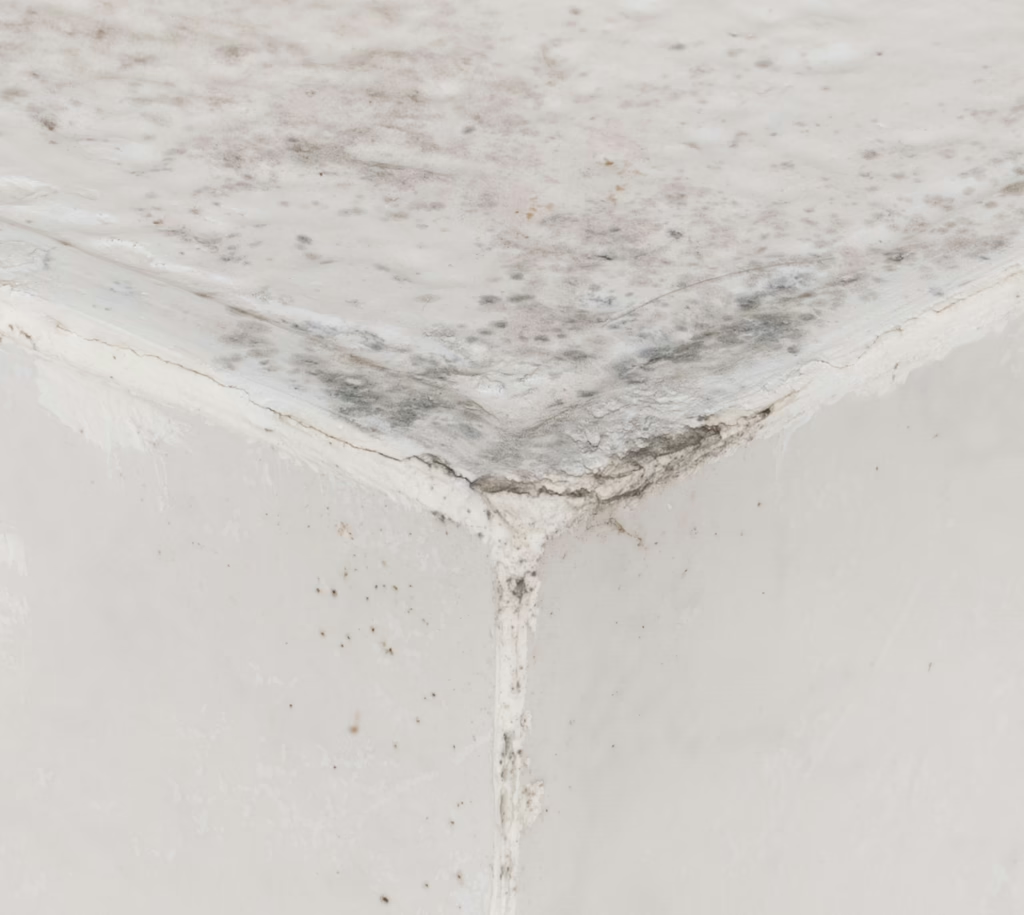
This guide discusses the importance of mold inspections during the homebuying process, their differences from routine inspections, how to spot warning signs, and what to do if mold is discovered. Knowing what to look for will help you proceed with confidence, whether you’re purchasing your first home or a long-term residence.
Why Mold Inspections Matter During the Homebuying Process
A conventional home inspection does not always identify mold issues, even though it covers a lot of structural and safety issues. Inspectors usually don’t test for mold unless it’s requested or clearly visible, though they might notice musty smells or indications of water damage. In fact, most home inspectors are not certified in mold inspection and will suggest that the home buyer get a mold inspection.
Mold issues in real estate can become serious financial and health risks for buyers. Mold may trigger asthma, causing asthma attacks, and allergic reactions. Depending on its extent, mold remediation can cost anywhere from hundreds to thousands of dollars.
Furthermore, the existence of mold may make it more difficult to get your mortgage approved or result in expensive post-purchase repairs. Mold-related problems might need to be fixed before closing, according to certain lenders and insurance providers. Particularly in competitive markets where buyers are acting fast, even small mold issues can escalate into big areas of dispute or delay. You can bargain with the seller or change your offer if you know if there is mold before you close. It can also reassure you that there won’t be any unexpected risks in your new house.
Common Situations Where Mold Might Be Present
- Houses that have been abandoned or vacant for extended periods of time
- Properties with a history of plumbing or roof leaks
- Homes with poorly ventilated crawl spaces, basements, or attics
- Houses in regions that are prone to flooding or humid climates
It’s recommended to arrange for a separate mold inspection if the home you’re purchasing fits any of these criteria.
How a Mold Inspection Differs from a Standard Home Inspection
A mold check during a home inspection looks for indications of moisture intrusion and mold growth. To find hidden mold or high spore levels, mold inspectors use instruments like moisture meters, infrared cameras, and air sampling devices.
Mold specialists, as opposed to general inspectors, are taught to:
- Check for mold spores in indoor air
- Examine attics, crawl spaces, and HVAC systems
- Gather bulk or surface samples for laboratory analysis
- Determine the kind of mold and how serious it is
This deeper evaluation is especially important if someone in your household has a history of allergies or respiratory sensitivities.
Health Risks of Undetected Mold
Numerous health problems can result from mold exposure, especially for children, the elderly, and people with weakened immune systems. Symptoms could consist of:
- Nasal congestion and sneezing
- Irritation of the throat, skin, and eyes
- Wheezing or coughing
- Asthma flare-ups

Some mold species, such as black mold (Stachybotrys chartarum), produce large amounts of mycotoxins that can be particularly harmful. Even if the mold is not visible, high airborne spore counts can have substantial negative health effects.
Red Flags for Mold During a Home Tour
There are some indicators that could point to mold problems even before a professional inspection. These don’t confirm mold but should prompt further evaluation:
- Wet, musty smells
- Water stains on walls or ceilings
- Wallpaper or paint that is peeling
- Soft areas on the floor
- Rust near air conditioning vents
- Discoloration of bathroom caulking or grout
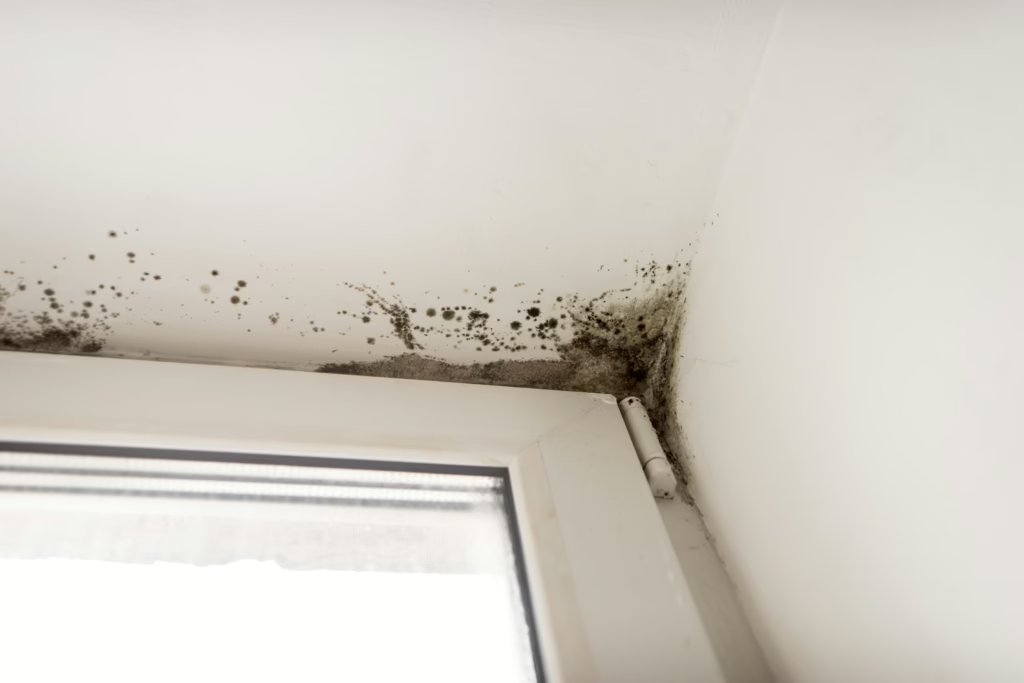
Keep an eye out for areas that are prone to moisture during a home tour, such as window frames, laundry rooms, basements, and bathrooms. One of the most obvious warning signs can be a lingering musty odor, especially around enclosed or humid areas. Water stains on walls or ceilings could also be an indication of an unresolved leak in the past.
Rust around HVAC vents, soft flooring near sinks or tubs, and bubbling or peeling paint can all be signs of mold growth and trapped moisture. Keep an eye out for areas where humidity can build up, like in cabinets, closets, and utility rooms. The earliest indications of mold are frequently found in kitchens and bathrooms. Mold or mildew build-up may be the cause of discoloration in the grout, caulking, or around the edges of sinks and bathtubs. Widespread patterns or reoccurring spots warrant closer examination, even if some of the signs seem insignificant.
Finally, believe what your senses tell you. Before completing your close on your home or property, it is recommended to schedule a mold inspection if something seems or smells strange.
What Happens During a Mold Inspection?
A typical mold inspection includes:
Visual Inspection: The inspector examines common places that are prone to mold growth, including crawl spaces, attics, kitchens, bathrooms, and basements.
Moisture Testing: Thermal imaging and moisture meters are useful tools for finding water beneath flooring or behind walls.
Air Sampling: Mold spore levels in indoor air are measured and compared to baseline levels outside.
Surface Sampling: For lab identification, swabs or tape lifts are removed from visible mold.
Report and Recommendations: A thorough report detailing the inspector’s findings and recommended next steps is provided.
Depending on the size of the house and the suspected level of mold, a mold inspection usually takes one to two hours.
What if Mold is Found?
Don’t freak out if mold is found. Minor mold issues are common and usually simple to resolve. However, professional remediation might be necessary for larger infestations or unseen growths in wall cavities or HVAC systems.
Always go over the mold report with your inspector and, if necessary, get an estimate from a mold remediation specialist from Safer Home Services LLC. Depending on how bad it is, you could:
- Before closing, ask the seller to take care of any necessary repairs.
- To pay for cleanup, negotiate over the sale price.
- If the problem is too serious or expensive, walk away.
If you’re buying in South Jersey, professional mold remediation in Camden County from Safer Home Services LLC is available to address any level of mold infestation. Certified specialists can remove affected materials, clean and sanitize spaces, and prevent future growth.
Preventing Mold in Your Future Home
Mold prevention is crucial even after purchase. Within the steps are:
- Dehumidifier use in moist environments
- Running exhaust fans in kitchens and bathrooms
- Quickly repairing leaks
- Maintaining clear gutters and downspouts
- Regularly checking your foundation and roof
If your new home includes a crawlspace, installing a vapor barrier in Cherry Hill , or any surrounding town, can prevent ground moisture from seeping into your home. This protective layer helps reduce mold risk and improves energy efficiency.
Should You Still Buy a Home With Mold?
You shouldn’t automatically turn down a sale because of mold. Professional remediation along with negotiation can resolve a lot of problems. Long-term livability, however, can be severely impacted by untreated mold or poor indoor air quality. Health issues can arise from mold growth, particularly for people who have asthma, allergies, or compromised immune systems. It may also be a sign of underlying moisture problems, like leaks or inadequate ventilation, which, if left untreated, could cause more harm.
You should take a few precautions before completing your purchase. Obtain a thorough inspection report from a certified mold specialist first. Next, comprehend the entire extent and cost of remediation to prevent unforeseen costs following closing. From simple cleaning to extensive repairs involving drywall or structural elements, mold remediation can take many different forms. Lastly, include mold risk in your contingency terms or offer. A mold contingency clause allows you to back out if mold problems are more severe than anticipated, ask the seller to finish remediation prior to closing, or bargain for a lower price. Purchasing a house with mold can still be a wise investment if the assessment and remediation plans are done correctly.

When to Call a Mold Specialist
A mold specialist should be contacted if:
- The home inspection finds evidence of moisture intrusion or water damage
- You smell mold, but you can’t see any obvious signs
- Health symptoms that are consistent with exposure to mold are triggered when in the home
- You’re buying an older or vacant house
Making an informed purchasing decision requires selecting a trustworthy business with certified inspectors and transparent reporting. Safer Home Services LLC upholds these standards with professionalism, accuracy, and a strong commitment to client care.
Real Estate Concerns: Questions to Ask Sellers
It’s perfectly normal for a buyer to ask:
- Has the house ever experienced flooding or water damage?
- Has mold ever been remediated?
- Are reports or warranties for previous remediation available?
- Do you have vapor barriers, dehumidifiers, or sump pumps installed?
These responses can help you approach the property and avoid unpleasant surprises once you move in.
Mold Inspection Tips for Buyers
- Schedule a mold inspection early in the evaluation phase
- Select a mold expert who is not connected to the seller
- If you suspect hidden mold, request surface testing as well as air sampling
- Go over the inspection report in detail and talk to your agent about the findings
Purchasing a home is an exciting process, but if you neglect a mold inspection, it could become an expensive nightmare. You can protect both your health and your investment by taking the time to look into mold problems during a home inspection.
Mold inspections provide peace of mind whether you’re looking at a newly renovated home or a fixer-upper. Understanding the risks and solutions enables you to make confident decisions throughout your homebuying journey. Contact Safer Home Services LLC today to learn more about how we can help you buy a safe home with confidence.


