
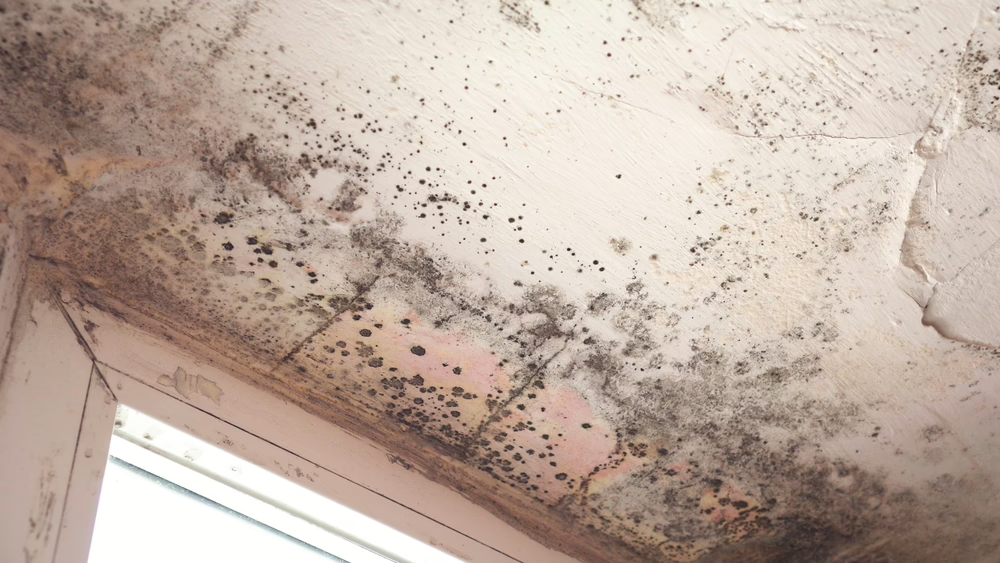
Discovering dark, patchy growth on your walls, subflooring, or ceilings often triggers immediate concern for homeowners. While many household molds are common and easily managed, toxic black mold (Stachybotrys chartarum) presents distinct structural and indoor air quality risks that require prompt, accurate identification. Understanding how to recognize physical characteristics, identify distinct odors, recognize health symptoms, and address root moisture issues helps protect both your property and your family’s health.
What Is Black Mold? (Stachybotrys chartarum)
Stachybotrys chartarum, commonly referred to as black mold, is a toxigenic microfungus. Unlike everyday surface mildews that cling to soap scum on non-porous bathroom tile, black mold requires saturated organic materials rich in cellulose to survive. It colonizes porous building materials such as drywall, paper backings, wood studs, subflooring, carpet padding, and insulation.
Because Stachybotrys needs constant, long-term saturation to establish itself, its presence almost always indicates an unaddressed, long-standing water intrusion rather than simple daily condensation. While common molds germinate within 24 to 48 hours of moisture exposure, Stachybotrys grows more slowly, typically requiring 8 to 12 days of continuous saturation to establish active colonies.
Black Mold vs. Common Household Molds
To the untrained eye, many dark-colored molds look identical. However, their physical profiles, textures, and typical growth locations differ significantly:
| Feature | Toxic Black Mold | Common Mold |
| Color | Dark greenish-black, jet black | Specks of green, grey, or white |
| Active Texture | Wet, slimy, or gelatinous | Powdery, fuzzy, or velvety |
| Dry Texture | Sooty, crusty, or powdery | Soft dust-like coating |
| Primary Habitat | Saturated drywall, studs, insulation | Tile grout, sills, shower curtains |
| Water Source | Plumbing leaks, floods, sewage | High ambient humidity, steam |
Primary Indicators You Have Black Mold
Because Stachybotrys often hides behind finished walls or under carpeting, identifying it requires looking beyond visible surface spots.
Visual Appearance and Distinct Odors
When actively growing, black mold appears dark green or deep black with a distinctly wet, slimy texture. If its water source temporarily dries up, the colony turns dull, soot-like, and powdery, frequently expanding outward in irregular, circular clusters. As these colonies mature, they release airborne microbial Volatile Organic Compounds (mVOCs). These compounds produce a heavy, persistent odor often described as rotten wood, damp earth, or wet cardboard that lingers even after routine surface cleaning.
Water History and Physical Symptoms
Black mold spores remain dormant until exposed to prolonged moisture. Unaddressed water damage in Mount Laurel, NJ or surrounding regions frequently creates the ideal subterranean dampness for hidden colonies to take hold behind baseboards and finish surfaces.
Over time, extended exposure to these airborne spores and mycotoxins can trigger physical reactions that worsen while spending time inside the home and improve after leaving:
- Persistent nasal congestion, sneezing, and sinus pressure
- Eye irritation and a dry, scratchy throat
- Wheezing or worsening asthma flare-ups
- Chronic headaches or unexplained indoor fatigue
Common Hidden Locations for Mold Growth
Because toxic black mold requires continuous moisture away from direct sunlight, it rarely develops in plain sight. Homeowners investigating mysterious odors or past plumbing issues should inspect these key structural areas:
- Behind Sheetrock and Baseboards: Slow plumbing leaks inside wall cavities allow moisture to soak into drywall backing, creating an ideal hidden environment.
- Under Basement Carpet and Subflooring: Groundwater seepage through concrete slabs gets trapped beneath carpets, slowly rotting wood subfloors.
- Inside Attic Rafters: Inadequate ventilation combined with bathroom fans venting into the attic traps rising condensation against roof framing.
- HVAC Drip Pans and Ductwork: Clogged condensate drain lines cause pans to overflow, introducing moisture directly into supply ducts.
Preliminary Testing vs. Professional Assessment
If you spot a dark stain and want a quick field check, you can dab a cotton swab dipped in diluted household bleach onto the spot for one to two minutes. Common mildew and surface dirt will fade or lighten rapidly, whereas Stachybotrys resists fast bleaching due to its dense, heavy pigmentation. However, this test is merely a rough visual indicator and cannot confirm spore counts or identify hidden airborne growth.
While retail petri dish home testing kits are widely sold, environmental experts advise against relying on them. DIY kits lack laboratory controls, fail to pinpoint hidden water sources, and frequently capture harmless ambient outdoor spores, leading to misleading false positives.
Accurate assessment requires certified environmental inspectors equipped with diagnostic tools. At Safer Home Services LLC, our technicians use infrared thermal cameras to detect hidden moisture pockets behind drywall, calibrated moisture meters to measure wood saturation levels, and bioaerosol air pumps to compare indoor spore counts against outdoor control samples. If elevated indoor spore counts are confirmed, scheduling mold testing in Haddonfield or your surrounding area provides definitive laboratory proof of the exact species and concentration present.
The Danger of DIY Removal
It is tempting to spray visible mold with household cleaners, but DIY disturbance often exacerbates the problem. Bleach works well on non-porous tile, but on porous materials like drywall or wood, the chlorine remains on the surface while the water component sinks deep into the material, effectively feeding the mold roots below.
Furthermore, scrubbing mold without professional engineering controls causes millions of microscopic spores to aerosolize into the air, where your HVAC system can distribute them throughout the entire home. Professional remediation by Safer Home Services LLC relies on physical isolation, utilizing plastic containment zones under negative air pressure, HEPA air scrubbers, and EPA-registered antimicrobial disinfectants to eliminate spores safely. Property owners dealing with extensive growth can coordinate mold removal in Collingswood, NJ to restore indoor air quality without risking cross-contamination.
Preventing Mold Growth & Managing Moisture
Eliminating existing mold is only half the battle; long-term protection requires controlling indoor moisture. Mold spores exist naturally in ambient air and will remain dormant until water is introduced. By managing humidity levels and repairing structural leaks immediately, you prevent spores from germinating in the first place.
Keep indoor relative humidity below 50% using dedicated dehumidifiers, especially in basements and crawl spaces during humid summer months. Make sure kitchen and bathroom exhaust fans vent directly outdoors rather than into attic spaces. Routinely inspect foundation walls, window wells, and plumbing connections for minor seepage, fixing water issues within 24 to 48 hours before dormant spores have the opportunity to establish active colonies.
Suspect Black Mold in Your Home?
Don’t guess when it comes to your family’s health and structural safety. Contact Safer Home Services LLC today to schedule a professional inspection and receive an evaluation for your home.


