
As the seasons and weather patterns change, your home’s indoor environment faces new challenges that can significantly impact air quality and comfort. Understanding how to deal with these seasonal changes is essential to maintaining a healthy living environment all year round. From the severe summer heat to the humid spring days, each season brings with it its own set of weather-related factors that affect everything from moisture levels to air circulation patterns in your home.
The complex relationship between external weather and indoor air quality is often unknown to householders. Variations in temperature, seasonal precipitation, and humidity levels all have a significant impact on the air you breathe inside your house. The comfort and health of your family and pet may be impacted by serious issues including mold growth, poor ventilation, and lowered indoor air quality that arise from improper management of these factors.
Understanding Seasonal Indoor Air Quality Challenges
Several aspects of your home’s interior environment are significantly impacted by weather variations. During the hot summer months, air conditioners run longer hours, which can cause temperature imbalances and restrict natural air movement. Cool, conditioned air can create condensation where warm, humid air meets cooler surfaces, creating the perfect setting for moisture-related problems.
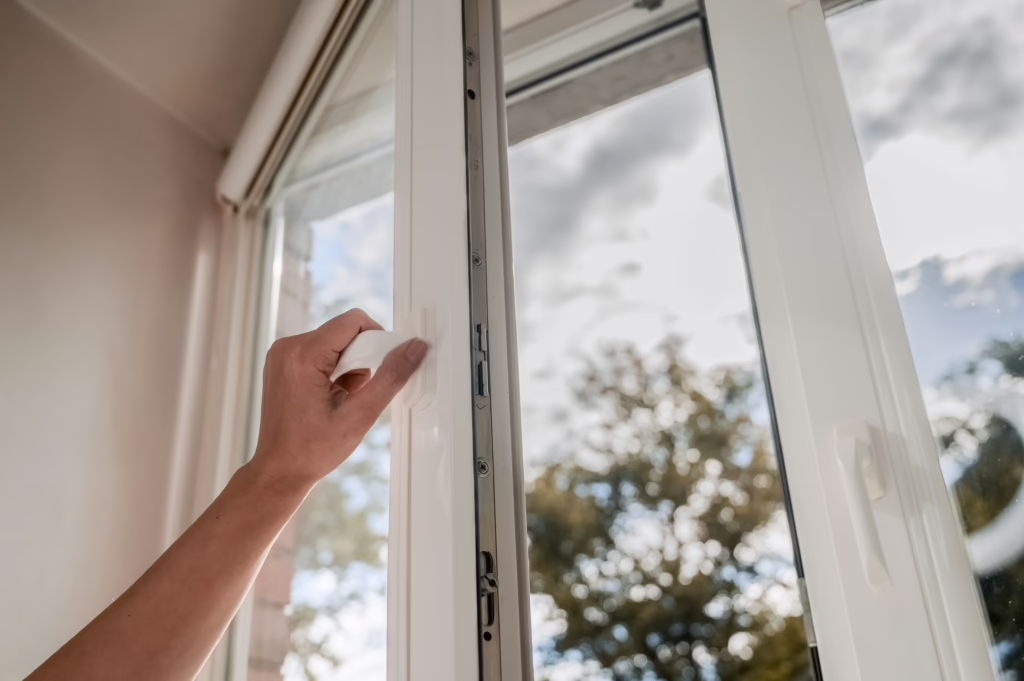
Spring brings its own set of challenges, including increased outside humidity and drastic temperature changes. These conditions may overwhelm your home’s natural moisture-controlling capacity, causing dampness in crawl spaces, basements, and other poorly ventilated regions. Rising temperatures and increased precipitation might encourage the formation of mold spores if adequate steps aren’t taken.
Winter’s difficulties are different but just as significant. Cold outdoor air has less moisture than heated air, even though heating systems can create extremely dry indoor conditions. Ironically, condensation forms and accumulates over time when cold surfaces come into contact with warm interior air, leading to moisture problems.
The Hidden Dangers of Seasonal Humidity Fluctuations
Humidity levels that change greatly with the seasons pose a serious hazard to the structure of your home and the health of your family and pets. While high humidity creates the ideal conditions for the growth of mold, mildew, and dust mites, extremely low humidity can aggravate the respiratory system and harm timber structures and furnishings.
Most houses should have humidity levels between 30 and 50 percent for optimal comfort and health. Seasonal shifts may cause these levels to deviate greatly from this range if proper management is not implemented. Summer humidity levels might exceed 60% and winter humidity levels can drop below 20%, creating an uncomfortable and perhaps unhealthy indoor atmosphere.
Excessive moisture affects more than just comfort levels. It can degrade building materials over time, resulting in wood decay, paint peeling, and structural damage. More urgently troubling is its capacity to promote the growth of mold, which, given the right conditions, can begin to grow within 24 to 48 hours of being exposed to moisture.
Professional Air Quality Assessment: When to Call Experts
Knowing when your home needs professional care is the key to preventing small seasonal changes from becoming major issues. If there are recurring musty odors, visible condensation on windows or walls, or family members who are exhibiting unanswered respiratory issues, your indoor air quality may be compromised.
Professional air quality monitoring can identify contaminants and moisture levels that homeowners might not perceive. These extensive tests assess everything from small particles and dangerous chemical compounds to humidity levels and potential mold contamination. For residents in South Jersey dealing with seasonal air quality concerns, professional air quality testing in Cherry Hill, NJ, provides detailed analysis and actionable recommendations for improving indoor environments.

Testing should be considered particularly vital during seasonal shifts, when your home’s systems work hardest to keep things comfortable. Early detection of air quality issues allows for prompt intervention before they deteriorate and pose health risks or require expensive fixes.
Preventing Moisture-Related Damage Before It Starts
Prevention is usually more cost-effective than remedy when it comes to moisture-related problems. By putting simple techniques into practice, you may significantly reduce the risks associated with seasonal variations in humidity in your house.
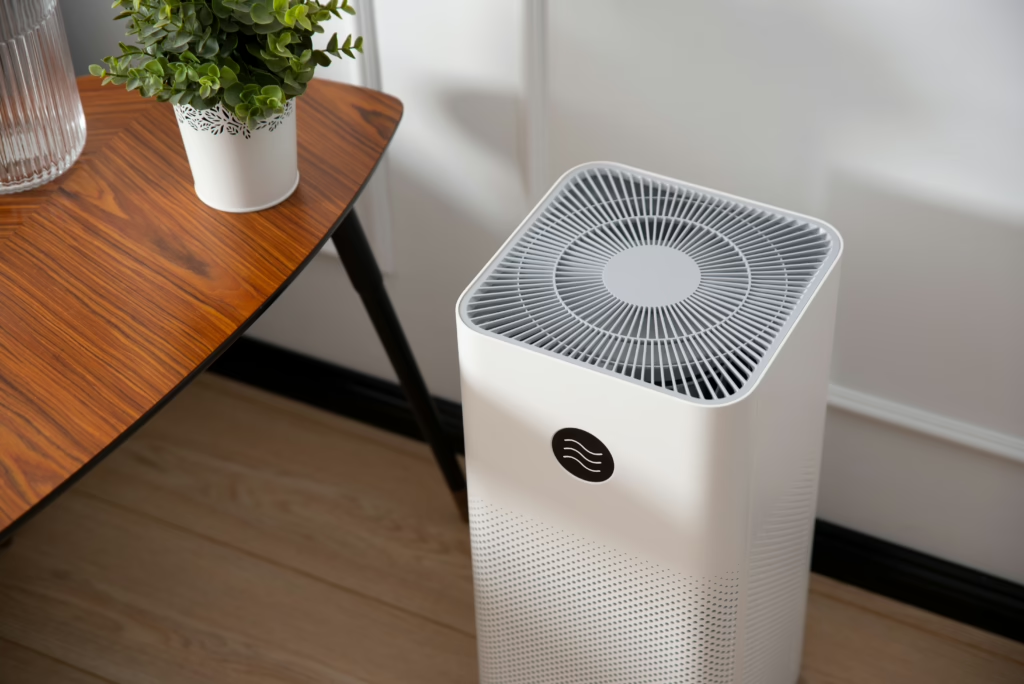
Having enough ventilation is your first line of protection against moisture accumulation. Bathroom exhaust fans, kitchen range hoods, and whole-house ventilation systems all help to remove damp air before it forms condensation and causes problems. Moisture buildup in critical areas can be prevented by running these systems more often and for longer periods of time during high-humidity seasons.
You can prevent outside air from entering your home without permission, which can upset the humidity balance, by sealing air leaks around windows, doors, and other openings. Weatherstripping, caulking, and adequate insulation all contribute to consistent indoor conditions regardless of the outside weather.
Managing Humidity Through HVAC Optimization
Your heating, ventilation, and air conditioning system is the primary tool for managing interior humidity levels throughout seasonal fluctuations. You may greatly enhance your home’s comfort and air quality by learning how to make it work efficiently.
During the cooler months, your air conditioner naturally draws some moisture out of the air as it cools. However, if your system is too large or cycles too frequently, it may not run long enough to dehumidify. Your home’s air may consequently become cold but uncomfortable.
Particular difficulties arise in the warmer months. In addition to furnaces and heat pumps not removing moisture from the air, heating exceptionally dry outdoor air can cause uncomfortably low humidity levels within. Whole-house humidification can be used to address this issue, but it needs to be monitored closely to avoid creating conditions that attract mold.
Smart HVAC controllers and programmable thermostats can assist in maintaining more consistent humidity and temperature levels by reducing the abrupt fluctuations brought on by systems turning on and off often. This is not only more comfortable, but gradual temperature fluctuations also reduce the likelihood of condensation, which occurs when air temperatures change rapidly.
Emergency Response: When Water Intrusion Occurs
Unexpected weather can sometimes overwhelm your home’s moisture infiltration defenses, even with the best precautions taken. Flooding, intense rains, or plumbing problems can introduce large amounts of water, which immediately raises worries about the quality of the air within.

To prevent long-term damage and health risks, quick action is important in the event of a water intrusion. The affected areas should be totally dried, and any standing water should be drained as quickly as possible to prevent the growth of mold. Because of their advanced technology, professional water removal services are able to collect water and moisture far more successfully than standard home methods.
For homeowners in Voorhees and surrounding areas dealing with water emergencies, professional water removal company services in Voorhees, NJ, provide rapid response and comprehensive moisture extraction to minimize damage and prevent secondary problems like mold growth.
Speed is the key to effectively addressing water damage. Within 24 to 48 hours of being exposed to water, mold can start to grow, so it’s imperative that you get professional help right away to prevent damage to your property and the health of your family.
Long-Term Strategies for Seasonal Air Quality Management
Short-term fixes and long-term planning are both necessary to develop a full approach to control seasonal air quality. A maintenance schedule that considers the different seasonal requirements can help prevent issues before they start.
Spring preparation should focus on cleaning and maintaining HVAC systems, inspecting and replacing filters, and identifying places that are susceptible to moisture accumulation. Dehumidifiers and other moisture control equipment can also be tested and serviced now, before the humid summer months begin.
The primary goal of summer management is to maintain consistent cooling and dehumidification throughout the summer, while checking for signs of excessive moisture or inadequate air movement. Regular filter changes become even more important during periods of high consumption.
Fall preparation includes addressing any moisture issues found in the summer, transferring heating systems, and sealing air leaks before winter weather arrives. This is also the time to consider installing humidification devices if winter dryness was a problem in previous years.
Maintaining normal humidity levels while preventing condensation problems is the aim of winter monitoring. Regular examinations of windows, exterior walls, and other cold surfaces can assist in identifying potential issues before they become serious ones.
Creating Your Personalized Air Quality Action Plan
Every home faces different problems, depending on things like age, location, construction, and local weather patterns. These factors are taken into account when developing a customized seasonal air quality management plan that suits the particular requirements of your household.
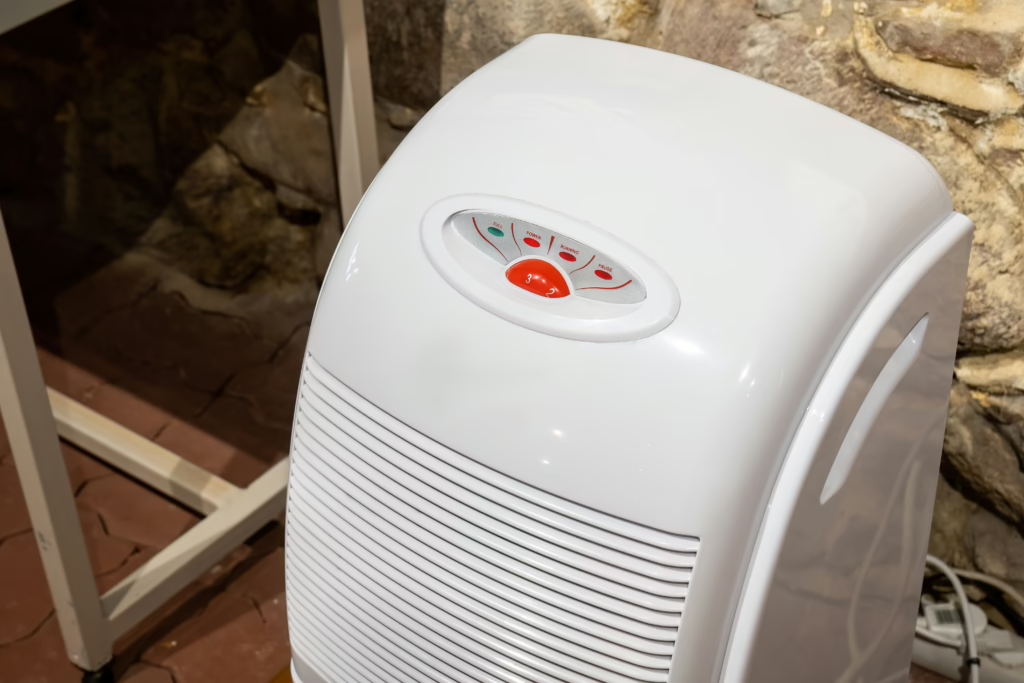
Start by identifying the areas of your home that are most susceptible to seasonal air quality problems. Basements, crawl spaces, attics, bathrooms, and kitchens typically require the greatest attention due to their greater moisture content and possibility for inadequate ventilation.
Consider investing in air quality monitoring equipment that can provide real-time data on air quality indicators, temperature, and humidity. This information can assist you in determining when to alter the thermostat, activate ventilation systems, or take other corrective action.
Keep a record of your seasonal maintenance tasks and any problems that come up throughout the year. This record will help you identify trends and the best periods to take preventive action, which will ultimately make your efforts more effective and successful.
Take Action for Healthier Indoor Air Today
Managing indoor air quality through seasonal changes doesn’t have to be too tough if the right methods are used and professional help is provided. By understanding the unique challenges that each season brings and taking proactive steps to overcome them, you can maintain a comfortable and healthy interior throughout the year.
Don’t wait for problems to arise before taking action. Your family’s long-term health and the value of your home are investments in preventive care and professional evaluation. Whether you need urgent water removal services, comprehensive air quality testing, or informed guidance on improving your home’s indoor environment, professional help is available.
Ready to take control of your home’s indoor air quality? Contact our team at Safer Home Services, LLC today to schedule a thorough evaluation and create a personalized strategy to address seasonal air quality issues in your house. The air you breathe affects your family’s comfort and health, and we’re here to help make it as excellent as it can be.