
October is the month when calls for mold remediation spike across our region, and the cause is condensation physics rather than bad luck. Outdoor air is still carrying late-summer moisture, but attic sheathing and basement walls have already cooled by 10 to 20 degrees, so humidity condenses on those cold surfaces instead of staying airborne. At Safer Home Services LLC, we see firsthand how quickly this happens. Mold only needs a damp surface and 24 to 48 hours to start growing.
The Dew Point Gap That Opens Up Every October
Through July and August, your attic and your outdoor air are both hot, so moisture stays suspended in the air. In October, that balance breaks: daytime dew points still run in the 55 to 65 degree range after a rainy stretch while attic roof decking drops to the mid-40s overnight.
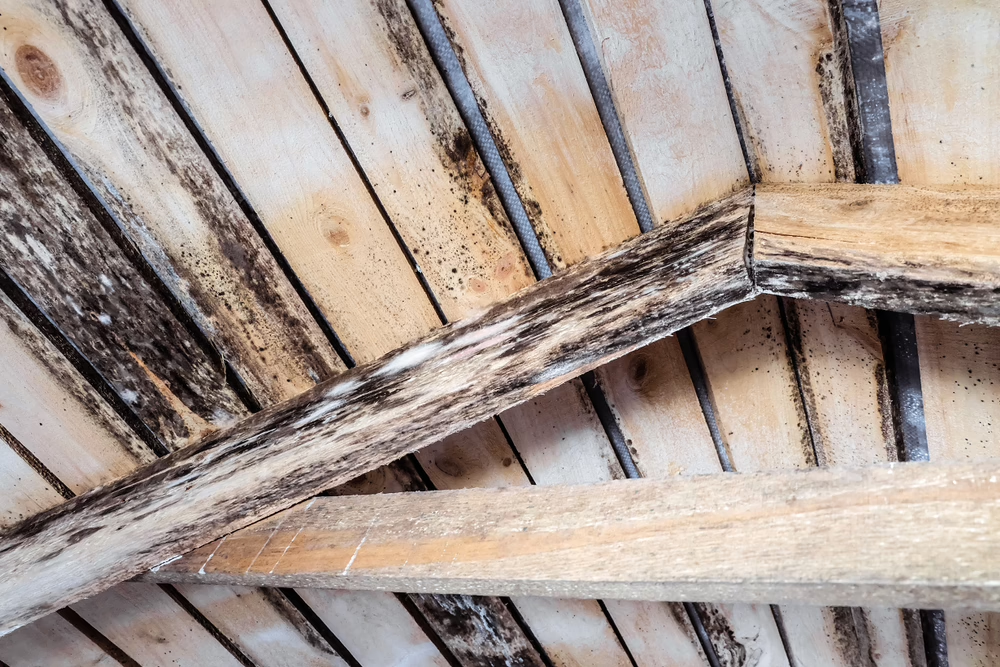
When humid air touches a surface that is colder than the dew point, it gives up water. That’s why you can have a roof with zero leaks and still find damp sheathing in late fall.
Here is how that temperature gap creates hidden moisture problems throughout the house:
- Surface relative humidity above 80% is enough for mold to germinate, even when the room air reads a comfortable 55%.
- Cold concrete and masonry hold temperature stubbornly, so basement walls stay at the summer ground temperature of about 55 degrees well into November.
- Fall rains drench the soil around your foundation, pushing humidity through foundation block and poured walls by vapor diffusion, not just through any cracks in those walls.
Why Attics Show Damage First
Attics are often one of the first areas of a home to show signs of moisture damage because they are rarely inspected, allowing problems to develop unnoticed. Meanwhile, three common sources of indoor moisture can continuously introduce moisture into the attic, increasing the risk of damage over time.
Bathroom and kitchen exhaust fans that terminate into the attic instead of through the roof release roughly 1 to 2 pints of water vapor per shower into the attic, where it can condense on cold roof sheathing. Air leaks around recessed lighting, bathroom exhaust fan housings, and attic access hatches further contribute to moisture problems by allowing warm, humid air from the living areas to rise into the colder attic space, where condensation can develop.
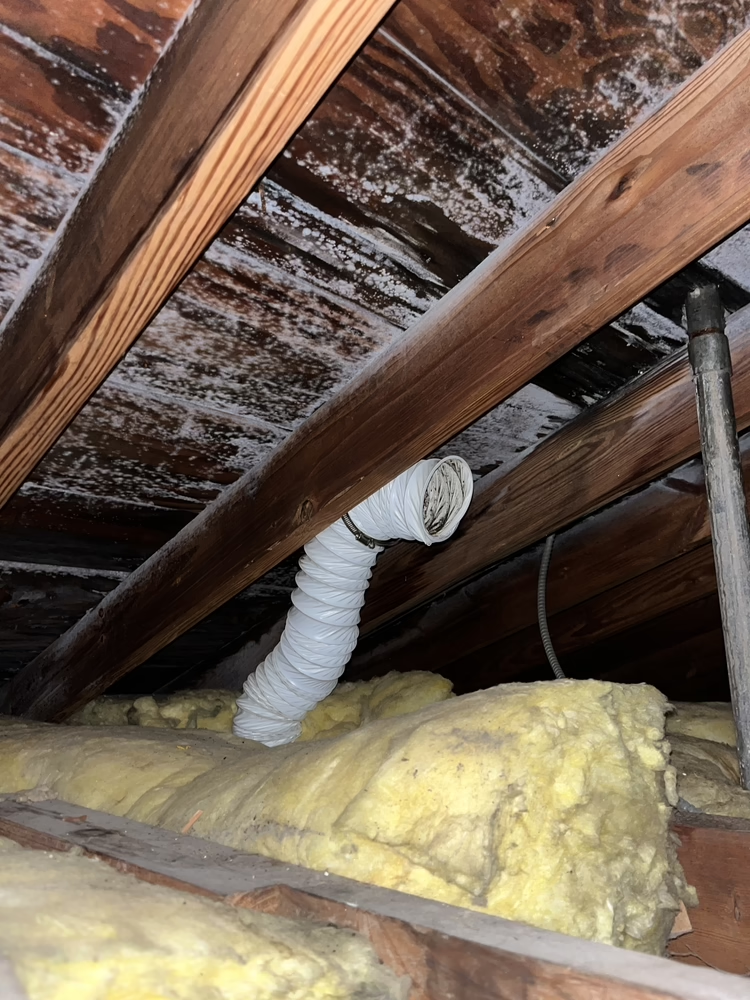
Common attic ventilation problems and early warning signs of moisture damage include:
- Blocked soffit vents, usually from insulation pushed against the eaves, kill the airflow that would otherwise carry moisture out.
- Dark staining on the underside of roof decking, especially along the north slope and near the ridge, is the classic first sign our team looks for.
- Frost or droplets on nail tips in early winter means the attic was already running wet through October.
The Basement Mistake Almost Everyone Makes in Fall
Many homeowners turn off their dehumidifiers in late September as indoor temperatures begin to cool. However, cooler air does not necessarily mean lower humidity levels. Excess moisture may still be present, and as foundation walls become colder, the risk of condensation and moisture-related problems can increase.
At Safer Home Services LLC, we advise that a basement dehumidifier should keep relative humidity between 45% and 50% and stay running until outdoor dew points fall below about 40 degrees in late fall. Put a $15 hygrometer (a tool used to measure humidity in the air) on a shelf and read it weekly; it is the least expensive mold insurance you can buy.
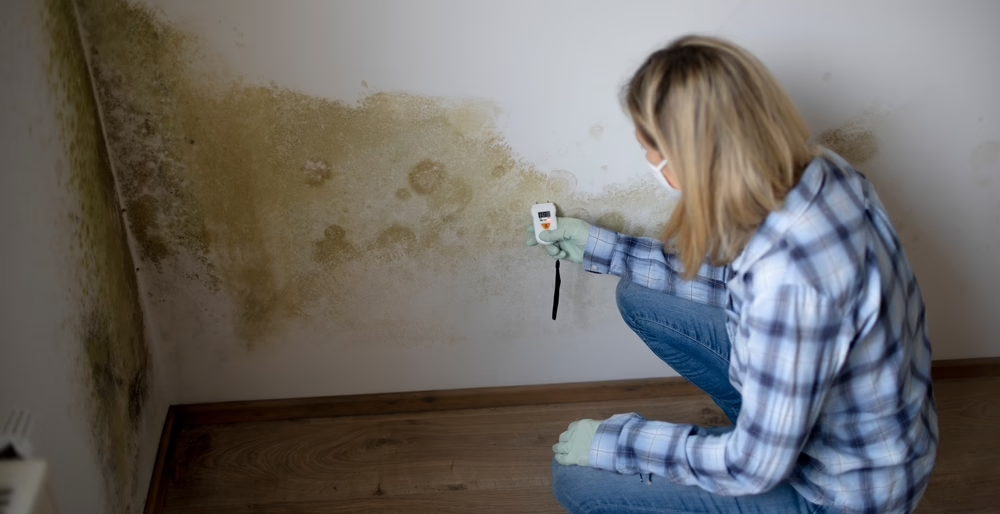
Storage habits make it worse. Cardboard boxes, fabric, paper, and anything organic sitting flat against a cold foundation wall becomes the food source for mold, and a 2-inch gap plus a plastic bin will solve the problem.
Early Warning Signs Worth Acting On
Visible mold growth is often a sign that moisture problems have already progressed. However, homeowners may notice earlier warning signs, particularly following periods of prolonged fall rainfall, including:
- A musty, earthy smell that is strongest at the basement stairs or when the HVAC first kicks on
- Cupping or darkening at the bottom edge of baseboard trim
- Condensation beading on cold water pipes, duct boots, or the inside of basement windows
- Insulation that looks compressed, discolored, or slightly damp at the attic eaves
- Allergy symptoms that worsen indoors and improve after a few hours away from the house
What the Mold Remediation Process Actually Involves
Mold removal and remediation are related but not identical: removal describes taking the growth off a surface, while remediation covers the whole process of controlling spores, eliminating the moisture source, and returning the area to normal fungal levels. When you work with Safer Home Services LLC, our professional mold remediation work follows a predictable sequence:
- Moisture mapping with meters and thermal imaging to find the water source
- Containment using 6 mil poly barriers and negative air pressure so spores don’t travel through the home during the remediation process.
- HEPA filtration and air scrubbers run continuously through the active work phase.
- Removal of porous materials such as drywall, insulation, and carpet padding that cannot be fully cleaned.
- Cleaning of semi-porous and non-porous surfaces, typically HEPA vacuuming followed by detergent cleaning and, where appropriate, antimicrobial treatment.
- Drying and verification, confirming materials are back to normal moisture content before any restoration work begins.
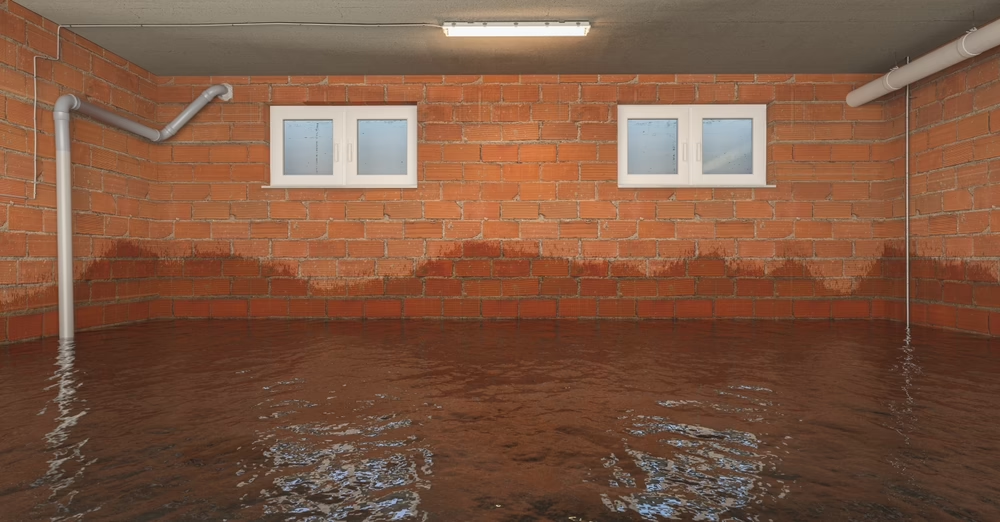
When rain, a burst line, or groundwater causes the problem, the moisture correction and the remediation are handled together. This is why water damage in Voorhees and mold remediation often go hand in hand, as addressing the source of moisture is an essential part of preventing further damage and mold growth.
When Professional Mold Remediation Becomes Necessary
The EPA’s practical threshold is roughly 10 square feet, about the size of a bath towel, for DIY mold removal. Below that, on a hard surface like tile, painted block, or finished wood, a homeowner with gloves, an N95 mask, and a detergent solution may be able to successfully remove mold.
However, the trouble starts when you try to scrub mold off of porous material. Drywall paper, insulation fiber, and bare wood hold hyphae below the surface, which are microscopic, thread-like cellular filaments that make up the main body of mold. Simply wiping the stain away leaves the colony intact and aerosolizes spores in the process. Bleach is also a poor choice on wood, since the water in bleach soaks into the surface while the chlorine stays on top.
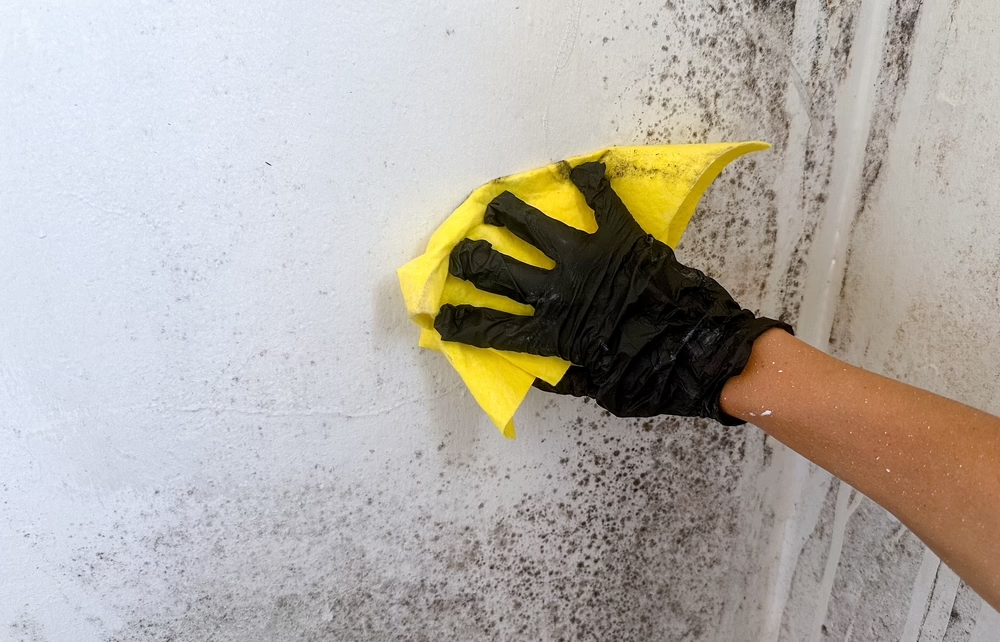
Most retail mold remediation spray and consumer products are merely surface treatments, useful for maintenance, but not for an established mold colony behind a wall. Mold growth affecting HVAC systems, areas contaminated by sewage, or more than a few square feet should be evaluated by professionals. For homeowners needing mold removal in Voorhees the certified team at Safer Home Services LLC provides professional remediation using proper containment and removal procedures.
A Twenty-Minute October Walkthrough
Set aside one Saturday morning before the first hard freeze and check the specific places that may collect water in the Fall. Bring a flashlight and a hygrometer to help in your investigation:
- Confirm that bath fans vent through the roof or a gable wall, never into the attic
- Look for staining on roof sheathing, especially along the north-facing slope
- Check that insulation is not blocking soffit vents at the eaves
- Clean gutters and extend downspouts at least 4 feet from the foundation
- Verify the dehumidifier is running and the drain hose is clear
- Pull stored boxes a few inches away from exterior basement walls
Schedule an Attic and Basement Moisture Check Before Winter
If you have noticed a musty smell, damp sheathing, or staining since the fall rain started, an inspection now costs far less than the demolition it prevents. Contact Safer Home Services LLC today to have your moisture source identified and affected areas professionally assessed.
Jack Lyons
Co-owner of Safer Home Services LLC


