

Most basement mold is found by nose long before it is found by eye. By the time black speckling shows on drywall paper or floor joists, the mold colony has usually been feeding on moisture for several weeks behind the surface. That is why the team at Safer Home Services LLC recommends scheduling a professional mold inspection at the first subtle warning sign. A mold inspection is far more often triggered by a damp smell, a warped baseboard, or a dehumidifier that never shuts off than by visible growth. Recognizing these quiet warning signs early can keep a routine moisture issue from turning into a more costly remediation project.
1. A Musty Odor That Gets Stronger After Rain
That earthy, wet-cardboard smell comes from microbial organic compounds released by active mold colonies, making odor your most reliable early warning sign. Mold spores exist everywhere, but they only colonize when they land on damp organic surfaces. Basements commonly harbor Cladosporium mold on cool surfaces; Penicillium and Aspergillus mold on paper and fabrics, and Stachybotrys chartarum, the greenish-black mold, signals a long-running leak. If the smell spikes 12 to 48 hours after a heavy rain, water is feeding an active mold growth cycle.
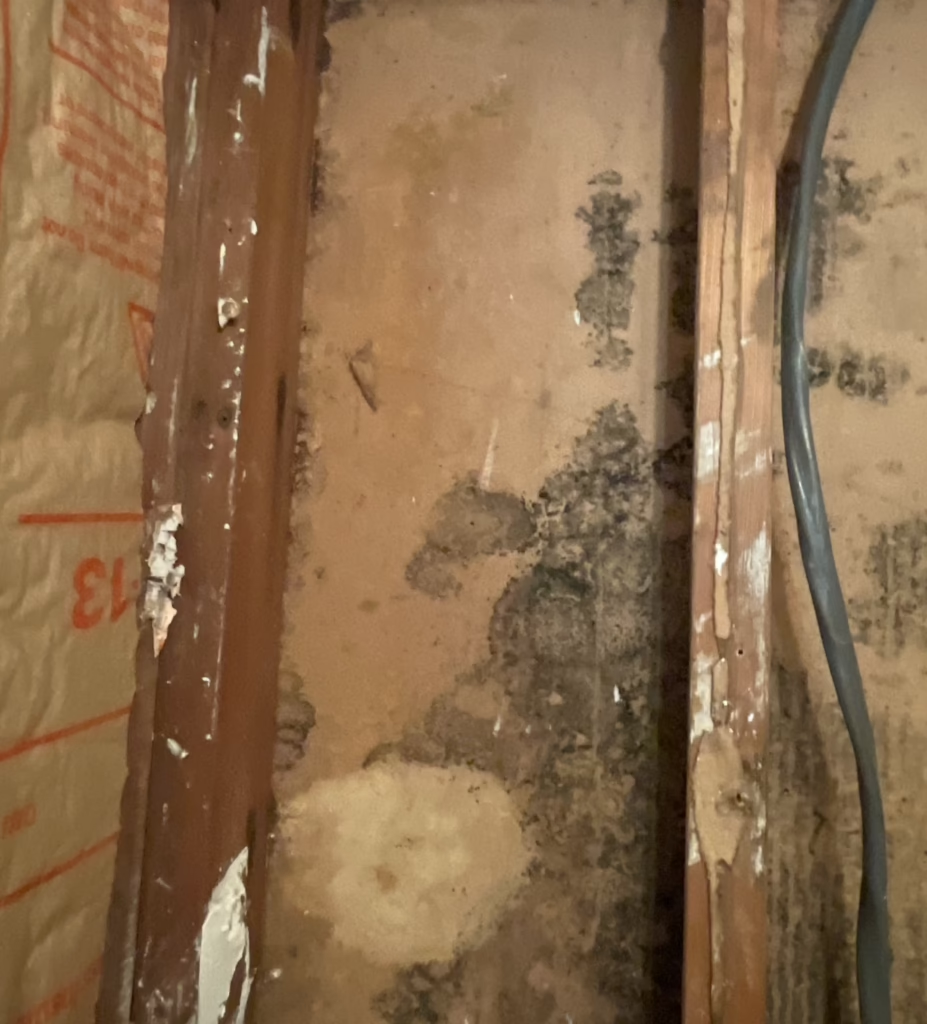
Because homeowners quickly become nose-blind to their own space, ask a guest. A visitor’s fresh perspective provides far better data than an online search.
Air fresheners and ozone machines only mask the smell. The odor returns quickly because the wet food source, whether damp drywall facing, wood framing, or dust on concrete, remains unaddressed.
2. Chalky White Streaks On The Foundation Wall
Efflorescence, the powdery white mineral crust on block or poured concrete, is not mold itself. It is salt left behind as water moves through masonry and evaporates, which means liquid water is passing through that wall on a regular basis.
Where the water goes next is the problem. Framed walls, batt insulation and stored boxes sitting against that foundation wall are far better food sources than concrete and they hide growth until someone pulls the wall apart. A few things worth checking the next time you are down in your basement or crawl space:
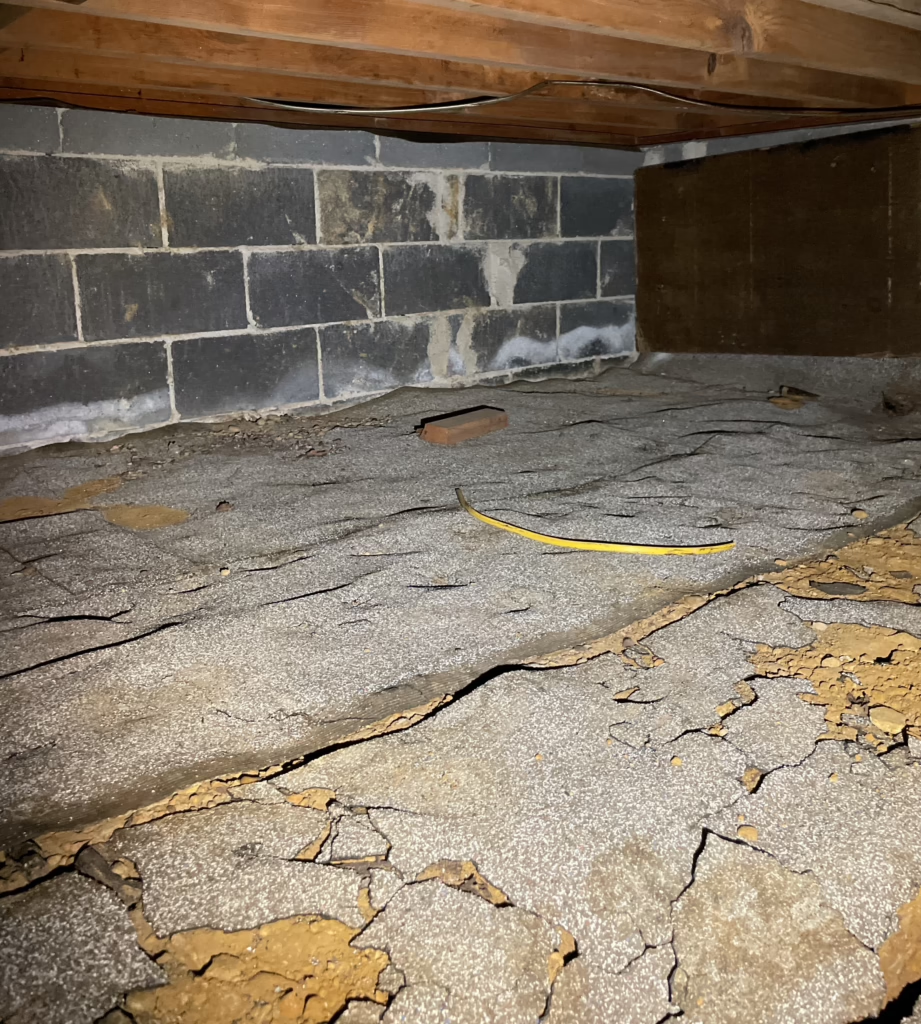
- Staining at the cove joint, where the floor slab meets the wall, which often shows as a dark band a few inches up.
- Rust on nail heads, duct straps or the bottom of steel shelving, a sign of sustained high humidity rather than a one-time spill.
- Cardboard that has softened or curled at the bottom edge, usually the first material to fail in a damp basement.
3. Trim, Doors and Flooring That Have Quietly Moved
Wood swells as it absorbs moisture, so a basement door that sticks every August and swings freely in January is telling you the relative humidity is swinging 20 points higher or more. Buckled laminate seams, cupped hardwood, and baseboards that have pulled a quarter-inch away from the wall all point to the same issue: water damage that may extend far beyond what is visible.
Carpet over a slab deserves special attention. Tack strips and the jute backing stay damp long after the surface feels dry, and the underside of a basement carpet is one of the most common places an inspector finds mold growth that no one suspects.
The EPA advises drying wet materials within 24 to 48 hours to prevent mold growth. Anything that has been damp longer than that, including a slow leak nobody found for a month, should be treated as suspect until it is checked.
4. Symptoms That Improve When You Leave the House
Pay attention to the pattern, not the symptom. Congestion, itchy eyes, a scratchy throat or a cough that clears up after two days away from your home and returns the first night home points to something in the building rather than seasonal pollen.
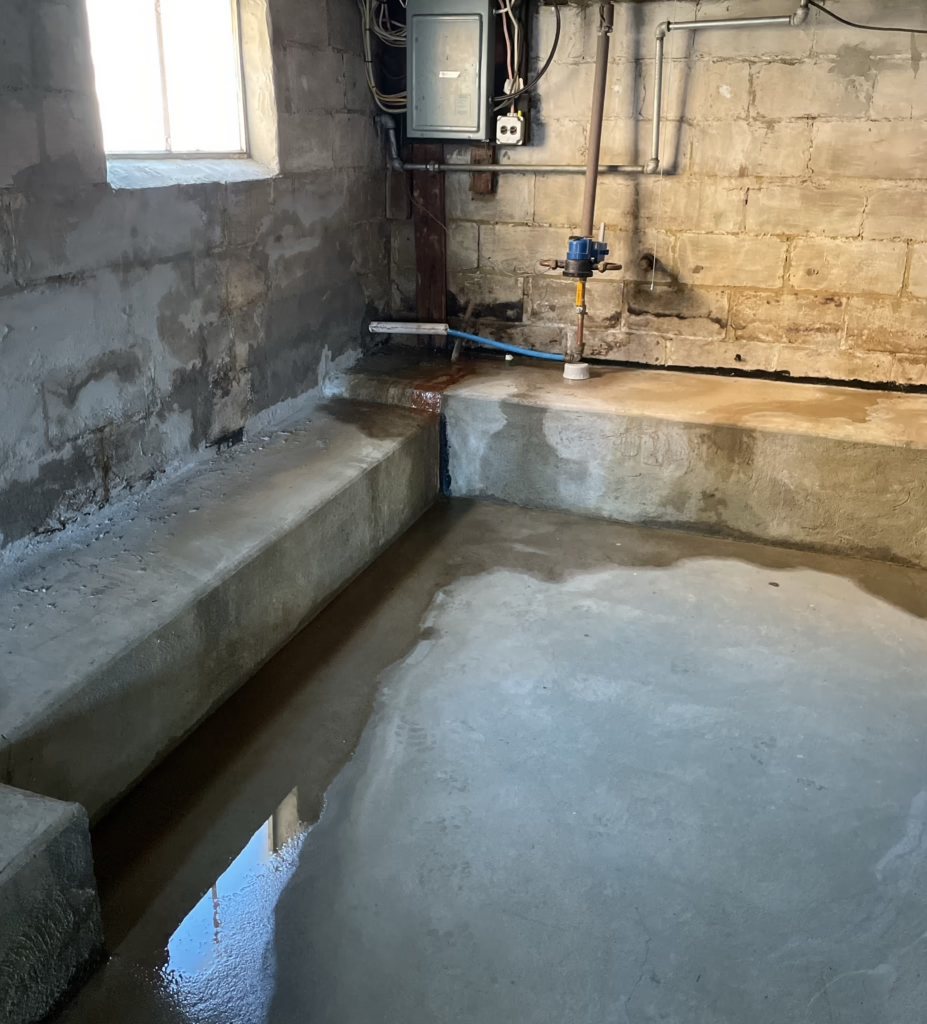
Basements push air upward. Stack effect pulls air from the lowest level of a home through floor penetrations, duct chases and stairwells into living space, so a problem in an unfinished basement rarely stays in the basement. The CDC notes that people with asthma, allergies or compromised immune systems react at lower mold exposure levels than everyone else in the household, which is why one family member may be feeling unwell while no one else notices a thing.
5. A Dehumidifier That Runs Around the Clock
Indoor relative humidity should sit between 30 and 50 percent, and anything sustained above 60 percent supports mold growth on ordinary house dust. A $15 hygrometer that measure relative humidity that is left on a basement shelf for a week will tell you more than a visual walkthrough.
If your dehumidifier unit empties a full tank every day in a room that’s not obviously wet, water is arriving faster than the machine can remove it. Common sources include a failed sump seal, condensation on uninsulated cold-water lines, a dryer vent that terminates inside, and grading that sends roof runoff back toward the foundation.
Running a dehumidifier longer is treatment, not a diagnosis. It keeps the air comfortable while the actual moisture entry point continues doing damage.
What a Basement Inspection Actually Includes
There is a real difference between inspection and testing, and it confuses a lot of homeowners searching for a mold inspection. During a mold inspection, a trained, certified inspector uses a moisture meter, thermo-hygrometer and often an infrared camera to identify current or past moisture problems and trace them to their source.
Testing is the lab component of the investigation process. Air sampling or surface samples are taken and sent to an accredited laboratory where they are analyzed. The results typically come back in three business days with mold spore counts compared against an outdoor control sample. Most homes need the inspection; not every home needs the lab work because visible mold is easily detected by a professional mold inspector. The laboratory identifies the types of mold – but all mold should be professionally remediated no matter the type Visual Inspections may include:
- Walkthrough and history: past leaks, sump performance, grading, gutter discharge, appliance connections.
- Moisture mapping: meter readings on framing, drywall, subfloor and the base of finished walls.
- Targeted inspection: behind shelving, under carpet edges, inside the rim joist cavity, around window wells.
- Sampling, if warranted: air or tape lift samples where hidden growth is suspected or a health complaint needs documentation.
- Written findings: what was found, the moisture source, and the scope of any work needed.
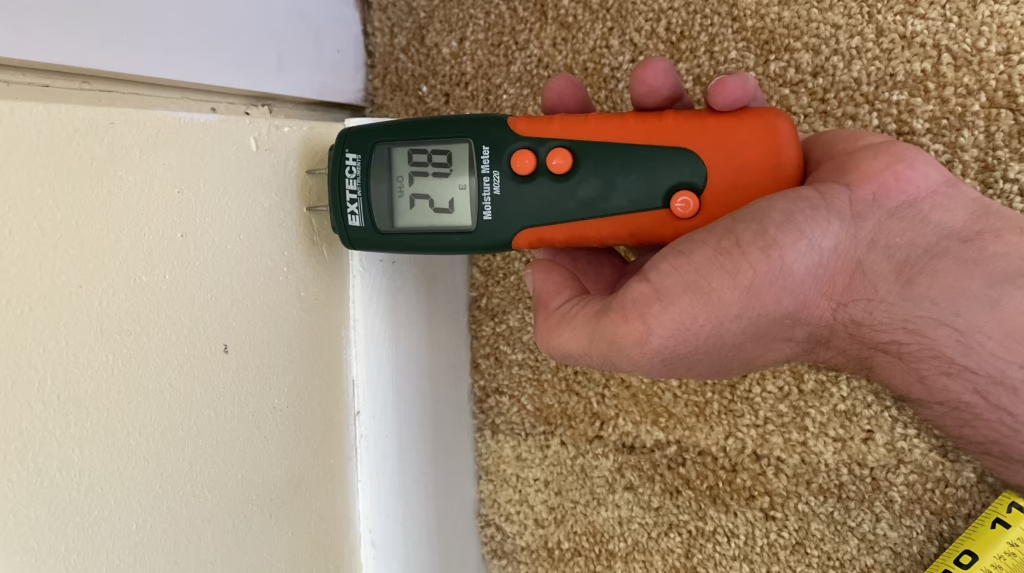
A complete report answers two key questions: is there mold, and why is it wet? Delivered within a few days, the report includes photo documentation, moisture readings, lab comparisons, and a clear scope of work. Homeowners scheduling a mold inspection in Moorestown and the surrounding area can expect a prompt, thorough evaluation that pinpoints hidden moisture before it causes costly damage.
Scope of Assessment & How to Select an Inspector
The depth of a residential mold inspection depends primarily on property layout, access, and the specific moisture history of the building. A focused walkthrough on a newer home may only require tracing a single isolated leak, while multi-level properties, detailed finished basements, and tight crawlspaces demand a complete survey to check every potential intrusion point. When laboratory testing is necessary to identify specific spore types or document hidden air quality concerns, collecting surface tape lift samples or indoor air samples alongside an outdoor baseline control expands the overall scope of the investigation.
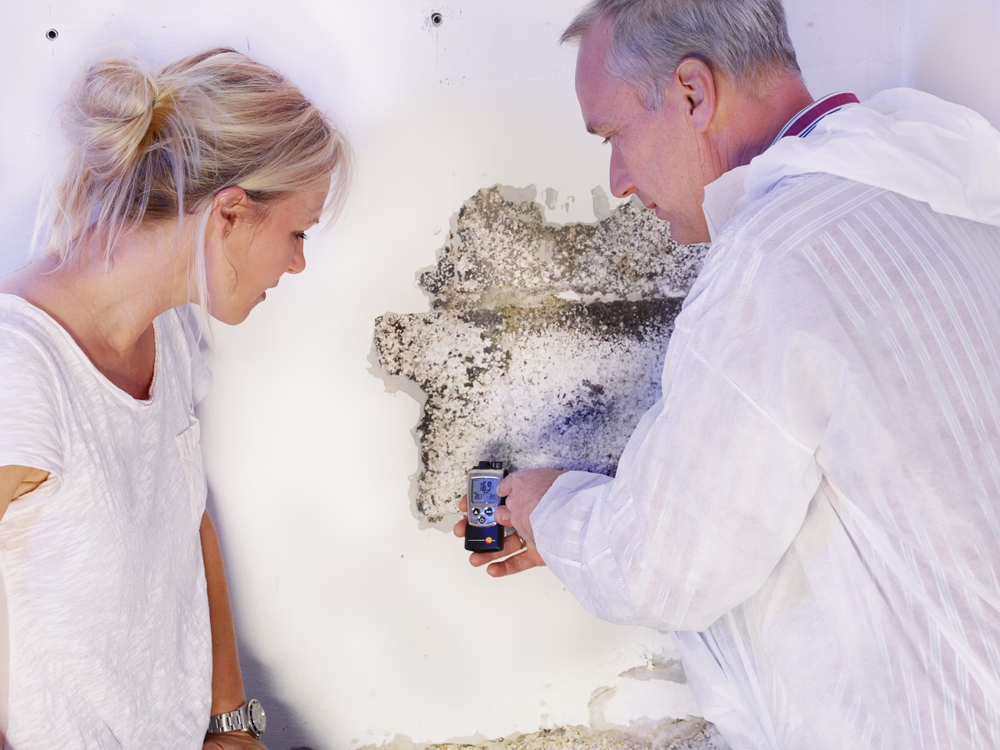
Evaluating an inspector comes down to credentials, tools, and independence:
- Certified Qualifications: Prioritize licensed professionals, like the team at Safer Home Services LLC, who hold industry certifications, such as ACAC credentials (CIE or CMC) or IICRC training in applied microbial remediation.
- Proper Diagnostic Equipment: Confirm the inspector uses calibrated thermal hygrometers, direct-read moisture meters, and infrared thermal imaging cameras to locate trapped moisture behind finished walls.
- Unbiased Reporting: Choose an independent specialist like Safer Home Services LLC for an objective evaluation. If a company handles both inspection and mold removal in Camden County, ask how they separate testing from cleanup to prevent conflicts of interest.
Get Your Basement Checked Before the Next Storm
If you’re noticing two or more of these warning signs, scheduling an inspection now could help prevent more extensive and costly repairs later. Safer Home Services LLC provides residential mold inspection and testing. Contact us today to schedule an on-site consultation and find out what’s causing moisture or mold problems in your basement or crawl space.
Jack Lyons
Co-owner of Safer Home Services LLC


